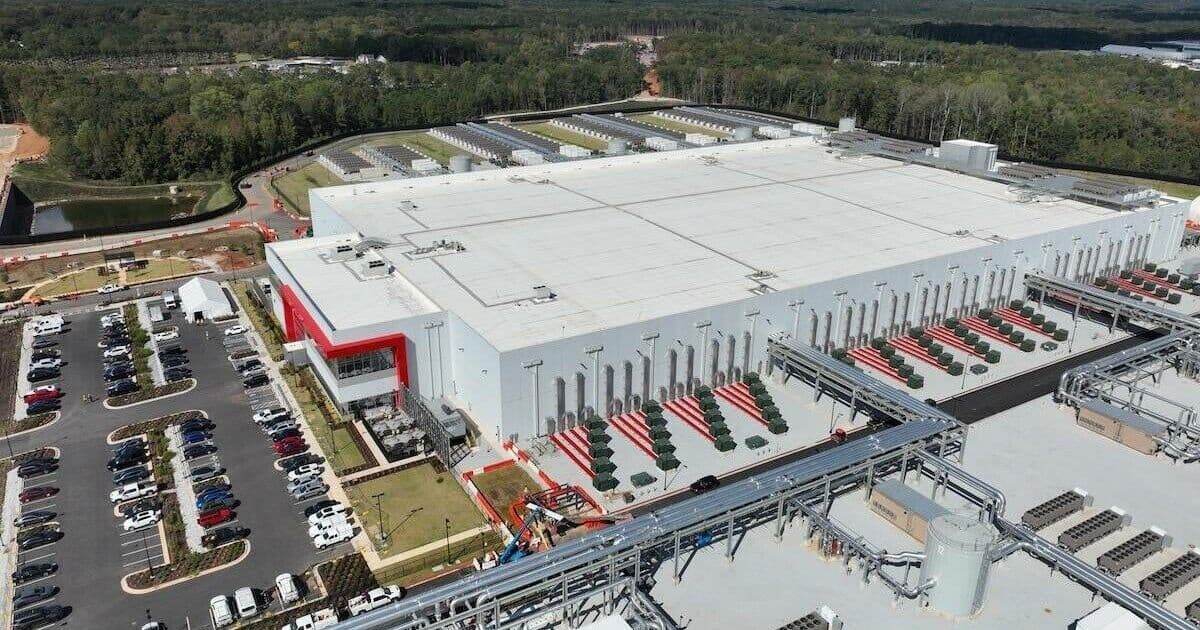
Jefferies analysts warn that power, permits, labor and grid queues could shrink the data center buildout that AI investors expect.
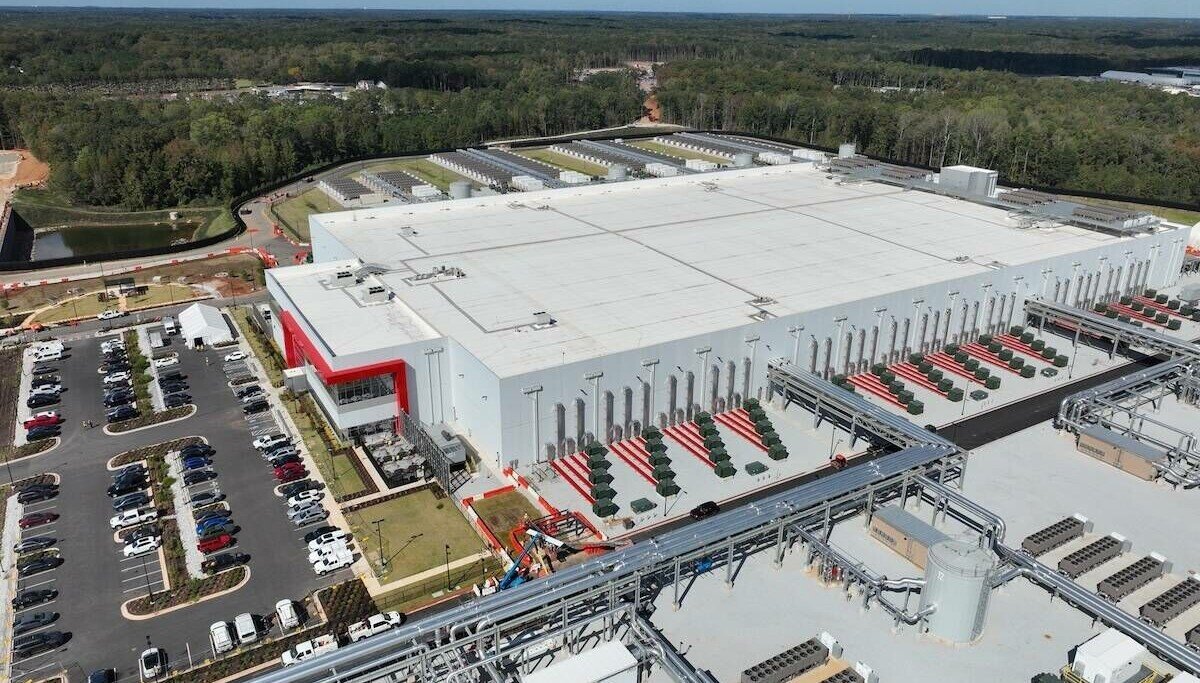
Developers have announced enough U.S. data center projects to suggest 160 GW of capacity by 2032, but Jefferies analysts said construction has started on 12 GW of the 24 GW planned for 2026.
The gap undercuts AI buildout forecasts that assume operators can turn announcements into powered buildings on schedule. Jefferies said developers face zoning fights, permit delays, grid connection waits, energy supply limits, labor shortages and unfinished contracts with tenants.
The 2027 and 2028 pipeline looks weaker. Jefferies said builders have yet to start major work on up to 80% of the capacity planned for that period.
Power sits at the center of the problem. Data center operators need firm electricity commitments before they can serve cloud and AI customers, and utilities must approve interconnection requests before campuses can draw from the grid. Some projects now face waits that reports have put near seven years.
U.S. Energy Secretary Chris Wright has directed the Federal Energy Regulatory Commission to speed grid connection rules for large customers, including data centers. The U.S. Department of Energy wants faster approvals because AI, cloud services and industrial electrification have increased pressure on utilities.
Jefferies also warned that developers may count the same future load more than once. Hyperscalers can file requests with several utilities while they scout sites, and analysts who add those requests together can inflate the total market outlook.
That matters for investors, utilities and communities. A forecast of 40 GW or more of new data center capacity per year in 2027 and 2028 assumes land, labor, financing and power arrive together. Jefferies said 15 GW to 20 GW per year looks more credible.
The firm said analysts should judge projects by offtake agreements, permit progress, financing and construction schedules. A press release about a future campus gives less evidence than a signed customer contract and a utility interconnection agreement.
Operators have started to route around grid limits. Some developers use behind-the-meter power, where a data center draws from dedicated on-site generation. Others use hybrid models, drawing from the grid first and then adding private generation when grid power falls short.
Developers also favor states that can approve projects and connect power faster. Jefferies pointed to Texas, where companies announced 14 GW of new data center capacity in the second quarter of 2026.
The buildout still has momentum. AI companies need more compute, cloud providers keep leasing space, and chipmakers keep selling higher-power systems. The constraint now comes from construction crews, substations, transmission lines and local approvals.
Communities should treat data center announcements as claims that need proof. A campus that never gets power can still affect land prices, utility planning and local politics. A project that does get built can place new strain on water, energy and housing markets unless officials negotiate clear terms before construction starts.
Comments
Please log in or register to join the discussion