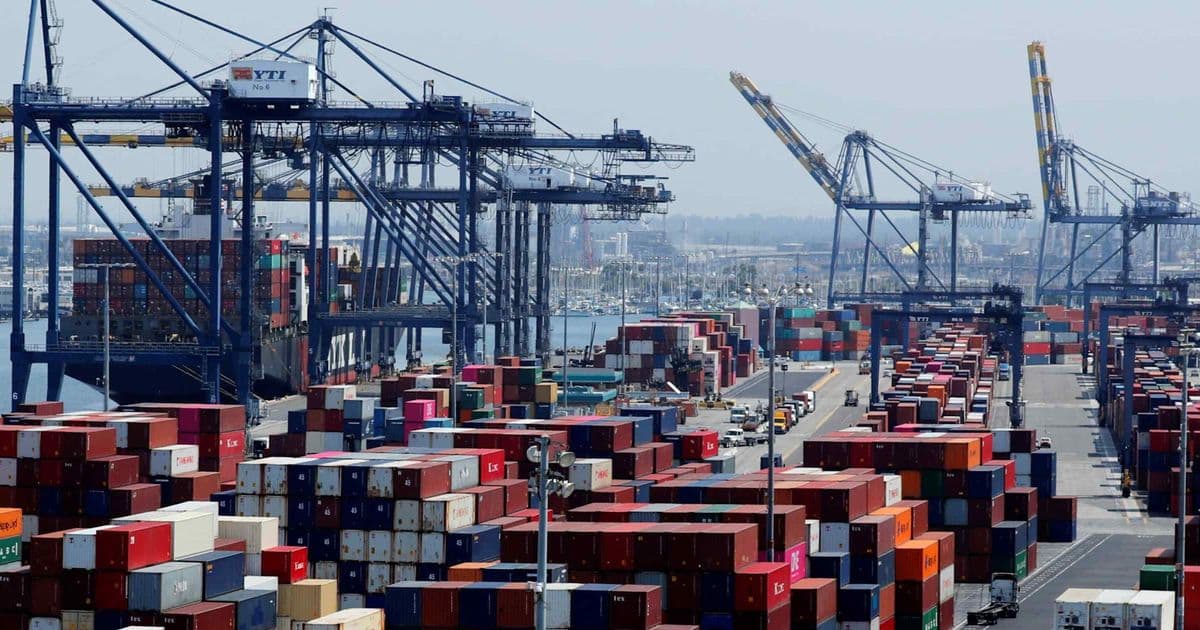
The US and Taiwan have reached a landmark trade deal reducing tariffs on Taiwanese goods to 15% while securing $250 billion in semiconductor investments to strengthen American chip capacity.
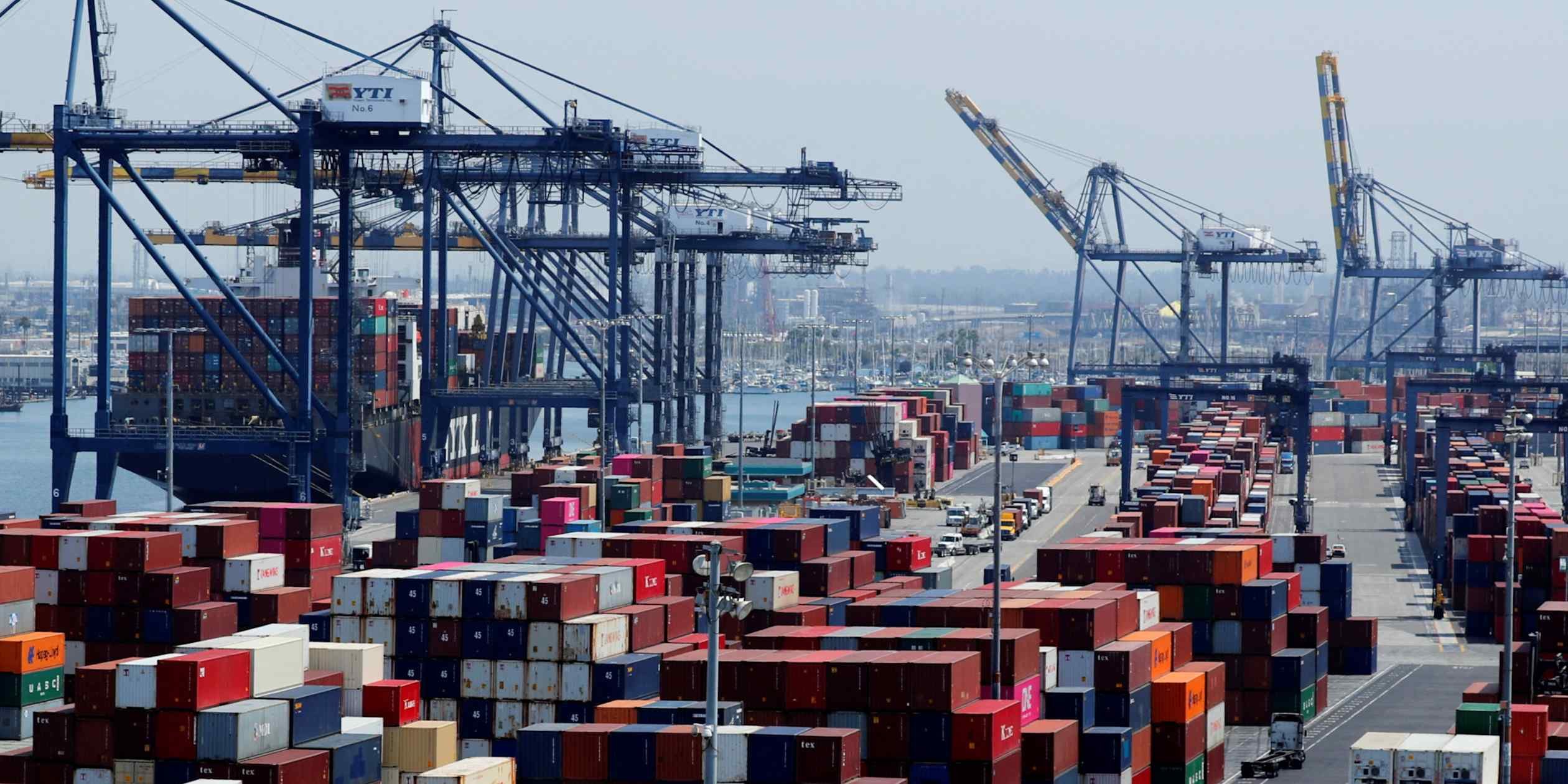
The United States and Taiwan concluded a major trade agreement on Friday, ending months of negotiations over tariffs and semiconductor investments. The deal reduces Trump-era tariffs on Taiwanese goods from 20% to 15%, aligning Taiwan with other East Asian trading partners like Japan and South Korea.
Core Agreement Terms
- Tariff Reduction: Reciprocal tariffs capped at 15%, down from 20% imposed in August 2025
- Investment Commitment: Taiwanese firms will invest $250 billion to expand US semiconductor, energy, and AI infrastructure
- Credit Guarantees: Taiwan provides $250 billion in credit guarantees to support semiconductor supply chain development in America
Industry Implications
Taiwan Semiconductor Manufacturing Co. (TSMC) anchors the investment package, having already pledged $100 billion toward US operations. On Thursday, TSMC announced record 2026 capital expenditures of up to $56 billion and revealed plans for new US facilities after securing additional land.
Taiwanese Vice Premier Cheng Li-chiun stated the deal follows a "Taiwan model" prioritizing business-led investments rather than government-directed spending. Traditional Taiwanese industries like machine tools and hand tools stand to gain immediate competitiveness from lower tariffs.
Geopolitical Context
The agreement strengthens economic ties amid heightened China-Taiwan tensions. Beijing claims Taiwan as its territory and has increased military pressure. Taiwan Foreign Minister Lin Chia-lung previously framed the partnership as building a "democratic supply chain" to counter Chinese influence.
Implementation Challenges
Approval risks loom in Taiwan’s opposition-controlled legislature:
- Opposition parties stalled President Lai Ching-te’s $40 billion defense budget
- Impeachment proceedings against Lai are underway
- Analyst Kuang-shun Yang warns legislative delays could trigger tariff reinstatement
US Commerce Department officials confirmed the deal includes mechanisms for:
- Two-way investment in semiconductors, AI, and defense tech
- Tariff exemptions for factory equipment imports
- Section 232 national security tariffs capped at 15% for auto parts and lumber
The American Chamber of Commerce in Taiwan called the agreement "constructive" but stressed that swift implementation and passage of a double-taxation avoidance pact remain critical for success.
Comments
Please log in or register to join the discussion