
Taiwanese prosecutors arrested three suspects for moving Nvidia AI chips and falsified Supermicro servers through Japan to Hong Kong, exposing a new route in the U.S. crackdown on illicit AI hardware shipments.
Taiwan arrests three in Nvidia chip smuggling ring, reveals Japan as transshipment hub
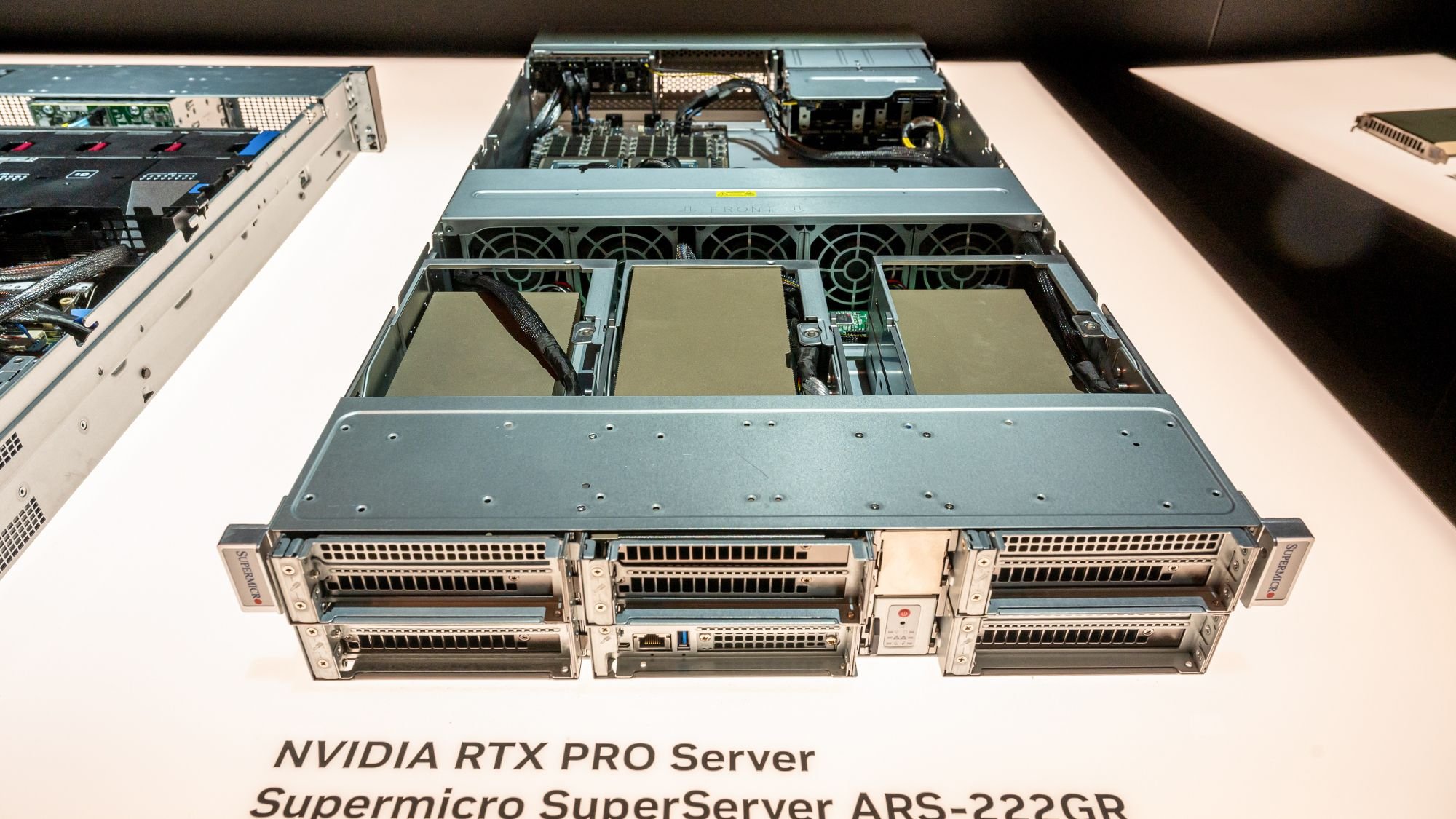
Prosecutors from the Keelung District Office announced last week that three individuals were detained on suspicion of illegally exporting Nvidia AI accelerators to mainland China. The operation also involved 50 Supermicro servers whose paperwork had been altered to hide their true destination.
Technical profile of the seized hardware
| Component | Likely model | Performance metric | Export status |
|---|---|---|---|
| GPU | Nvidia H200 (Hopper) | 80 TFLOPS FP16, 30 TFLOPS FP64 | Granted limited export waiver, but blocked for mass‑market resale |
| Server chassis | Supermicro 4029GP-TRT2 | Supports up to 8× H200 GPUs, 2 TB DDR5, 10 GbE NICs | Subject to U.S. Entity List restrictions |
| CPU (if present) | Intel Xeon Scalable (4th gen) | 4.0 GHz base, 64 cores per socket | Not restricted |
The H200 is the most recent data‑center GPU announced by Nvidia in early 2024. Its 80 TFLOPS of FP16 throughput makes it a prime candidate for large language model training, which is why the United States has kept a tight lid on its distribution. While the White House issued a limited waiver for research institutions, the waiver explicitly excludes bulk sales to commercial AI firms in China.
Supermicro’s 4029GP‑TRT2 chassis is designed to host up to eight of these GPUs and includes a high‑density power delivery system rated at 6 kW. The combination of H200 GPUs and a dense server platform yields a theoretical peak of 640 TFLOPS per rack unit, a figure that can accelerate transformer‑based models by an order of magnitude compared with previous‑gen hardware.
How the smuggling chain operated
- Acquisition – The suspects purchased the GPUs and servers from authorized distributors in the United States, using shell companies that listed a Japanese address as the end‑user.
- Document falsification – Export paperwork listed the cargo as “high‑performance computing equipment for internal testing” and cited a Japanese research institute as the recipient.
- Transit through Japan – The containers were off‑loaded at the Port of Yokohama, where customs inspections cleared them based on the falsified certificates. Japan’s customs regime is known for rigorous checks, but the paperwork matched a legitimate research entity, allowing the shipment to pass.
- Final leg to Hong Kong – From Japan, the cargo was re‑packed and shipped to Hong Kong, where a local distributor sold the servers to an unnamed Chinese AI firm.
Earlier shipments, according to Taiwanese officials, already reached China before the crackdown, suggesting that the network had been active for several months.
Market implications
- Supply pressure on legitimate buyers – The illicit diversion of H200 GPUs reduces the pool available to U.S. research labs and approved partners. Current market pricing for a single H200 has risen from $12,000 to $15,500 in the last quarter, a 29 % increase driven in part by scarcity.
- Supermicro’s exposure – While the company has not been charged with a violation, the incident highlights the need for tighter downstream verification. Supermicro’s quarterly earnings report (Q1 2024) already noted a 4 % rise in server sales to Asian markets; a repeat of this smuggling pattern could force the firm to tighten its export‑control compliance, potentially slowing growth in the region.
- Japan’s role under scrutiny – Japan remains a key logistical hub for high‑tech components moving through the Pacific. If authorities tighten verification of end‑user certificates, smugglers may shift to other transshipment points such as South Korea or Taiwan’s own ports, reshaping the illicit supply chain.
- Impact on Chinese AI developers – Companies that rely on H200‑class GPUs for training large models now face a two‑step barrier: first, acquiring the hardware through legitimate channels, and second, navigating U.S. licensing that limits export to “research‑only” entities. The added friction could delay product rollouts by 3–6 months, giving competitors in Europe and the United States a timing advantage.
Regulatory response and next steps
The United States has expanded its Entity List to include several Chinese AI firms that were previously only flagged for “potentially adverse” activities. The latest amendment, published in April 2024, adds a clause that any hardware containing more than 40 TFLOPS of FP16 performance must obtain a specific license before export to China.
Taiwan’s Ministry of Economic Affairs announced that it will launch a joint task force with the U.S. Department of Commerce’s Bureau of Industry and Security (BIS) to audit all outbound shipments of AI‑accelerator hardware. The task force will employ a risk‑scoring algorithm that flags shipments where the declared end‑user’s research output is below a defined threshold (e.g., fewer than 10 peer‑reviewed papers per year).
What this means for the industry
- Vendors must audit distributors – Companies like Nvidia and Supermicro will likely require distributors to implement multi‑factor verification of end‑users, including on‑site audits and digital signatures tied to government‑issued IDs.
- Supply‑chain transparency tools will gain traction – Blockchain‑based provenance platforms such as IBM Food Trust for hardware are being explored to record each handoff of a component, making it harder to insert falsified documents.
- Alternative architectures may see a boost – With Nvidia GPUs under tighter watch, some Chinese firms are accelerating development of domestically produced accelerators based on the Open Compute Project (OCP) design, potentially shifting market share in the next 12‑18 months.
The arrest marks the first confirmed use of Japan as a transshipment node in the U.S. effort to curb AI‑chip smuggling. As enforcement tightens across the Pacific, both legitimate manufacturers and illicit actors will need to adapt quickly to a more scrutinized supply chain.
Comments
Please log in or register to join the discussion