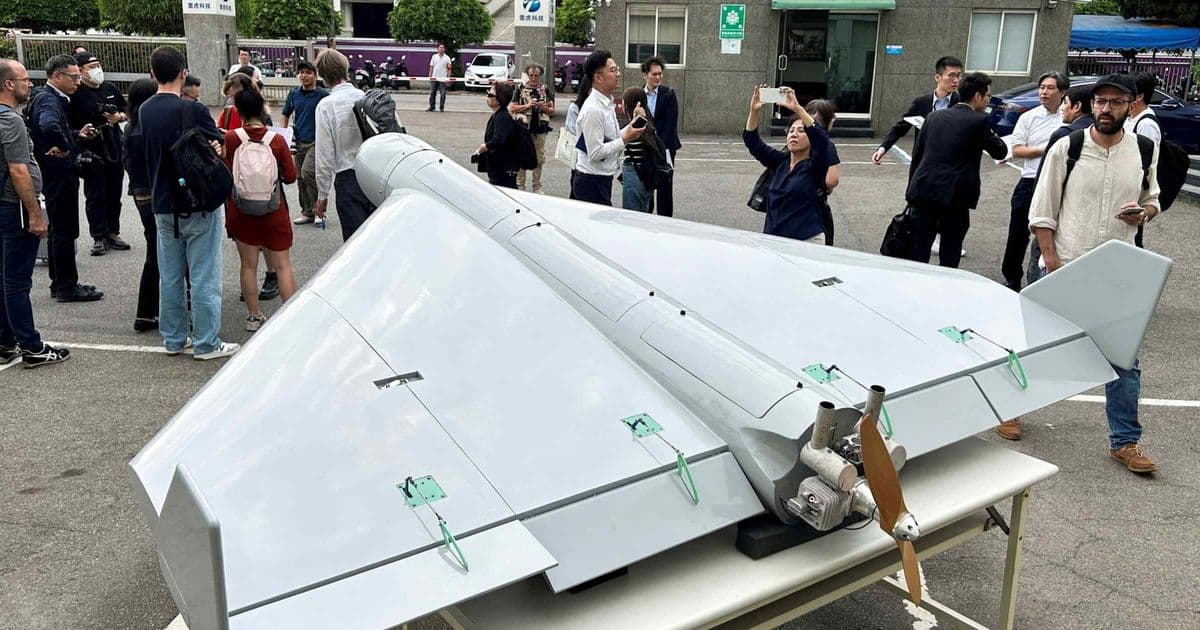
Taiwan wants to build a domestic drone sector capable of deterring China, but parliamentary budget cuts and a fragmented supplier base are forcing companies like Thunder Tiger to confront an uncomfortable gap between strategic rhetoric and commercial scale.
Taiwan has spent the past two years trying to position uncrewed aerial systems as the cornerstone of an asymmetric defense strategy, the kind of cheap, attritable hardware that could complicate any Chinese amphibious assault. The business case for that strategy is now colliding with the politics of how to pay for it.
The immediate friction comes from budget cuts pushed through Taiwan's legislature, where the opposition Kuomintang holds enough seats to reshape defense spending. Those reductions have landed directly on the drone procurement pipeline that local manufacturers were counting on to anchor their order books. For an industry still in its infancy, the timing matters more than the absolute numbers. Early-stage defense suppliers need predictable government demand to justify the capital investment in tooling, certification, and production lines. Pull that demand forward and then yank it back, and you strand companies mid-build.
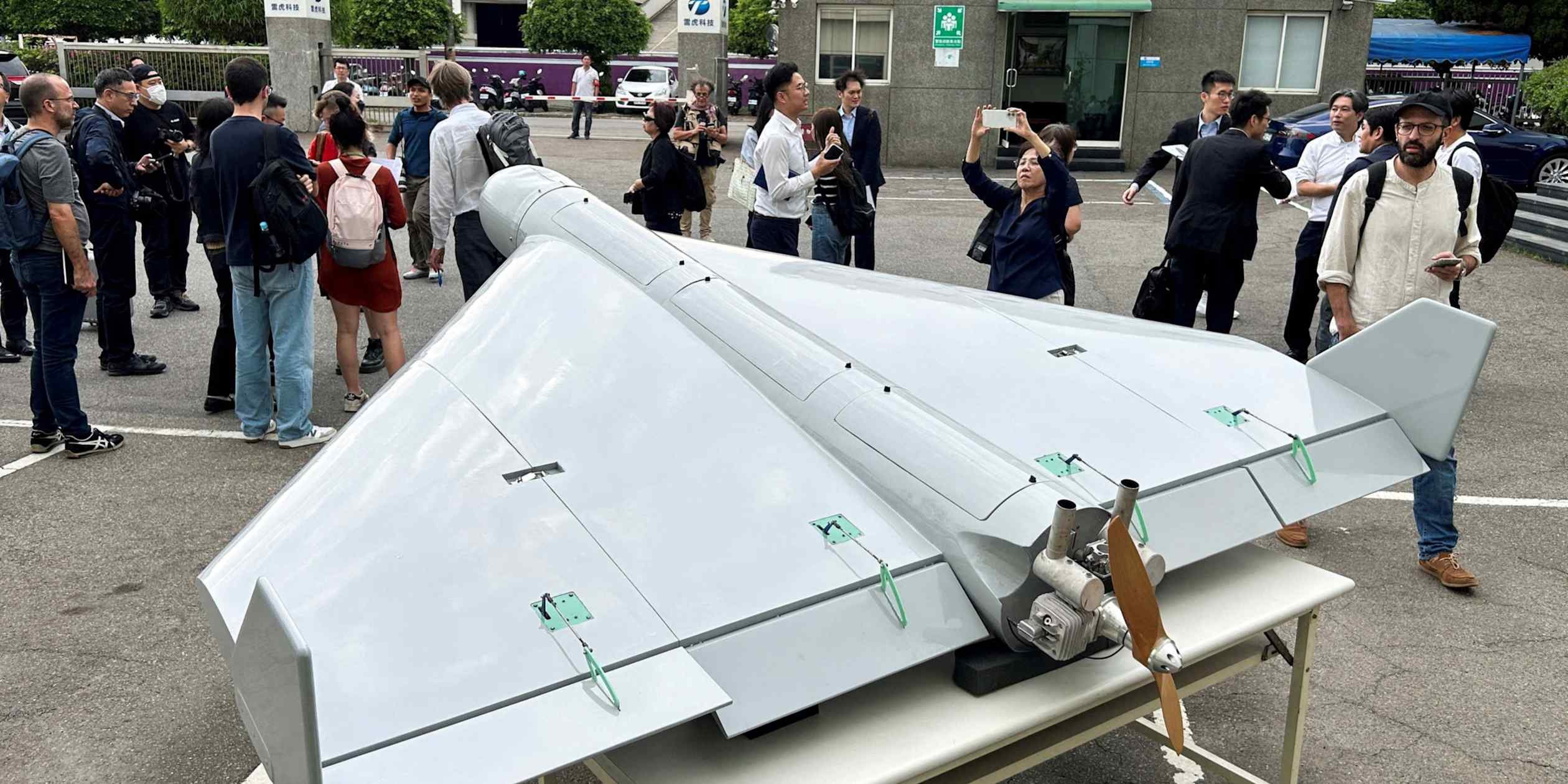
Thunder Tiger Group, the Taichung-based firm whose Papa Delta drone has become a showcase for domestic capability, sits at the center of this problem. The company emerged from the radio-controlled hobby business, which tells you something about the broader structure of Taiwan's drone sector. Much of it is built on consumer and commercial roots rather than purpose-built defense engineering. That heritage is an advantage for manufacturing know-how and a liability when the customer is a military that wants secure supply chains, hardened components, and volumes measured in the thousands.
The market context Taiwan is reacting to
The global drone market has been reshaped by the war in Ukraine, where first-person-view drones costing a few hundred dollars have destroyed armored vehicles worth millions. That cost asymmetry is the entire premise behind Taiwan's interest. The island cannot match China's defense budget, which runs more than ten times larger, so it is betting on quantity and distributed lethality instead of expensive platforms.
There is a supply-chain dimension that makes Taiwan's push commercially distinct. The drone hardware market has been dominated by Chinese manufacturers, with DJI alone accounting for the bulk of global commercial sales. For Taiwan, buying Chinese components is a non-starter, which means local firms have to source motors, flight controllers, cameras, and radios from non-Chinese suppliers or build them domestically. That requirement raises unit costs and shrinks the addressable supplier pool, the opposite of the cheap-and-plentiful model that makes drones attractive in the first place.
The United States has tried to seed an alternative ecosystem through its own restrictions on Chinese drone components and through programs encouraging allied production. Taiwan is trying to plug into that effort, positioning itself as a trusted manufacturing base for the broader bloc of countries that want to de-risk away from Chinese hardware. The logic mirrors what already happened in semiconductors, where Taiwan turned manufacturing competence into strategic leverage.
What the budget fight actually signals
The parliamentary cuts are not just a line-item dispute. They reflect a deeper disagreement about how much Taiwan should spend on defense and which programs deserve priority, a debate that has intensified as the Trump administration presses allies to carry more of the burden. When procurement volumes become a political football, the companies trying to scale production cannot plan capacity, and investors cannot price the opportunity.
For the firms involved, the strategic implication is that domestic demand alone may be too volatile to build a business on. The more durable path runs through exports and integration into allied supply chains, where Taiwanese drone makers could supply components or finished systems to partners willing to pay a premium for non-Chinese sourcing. That reorients the industry from a captive national-security buyer toward a competitive international market, with all the margin pressure and certification hurdles that implies.
The deeper question is whether Taiwan can convert defense necessity into industrial advantage the way it did with chips, or whether the drone sector stays subscale, dependent on a government customer that keeps changing its mind. Thunder Tiger and its peers are building hardware for a war everyone hopes never comes. The harder fight, for now, is keeping the business solvent long enough to matter.
Nikkei Asia's original opinion piece by Taipei-based journalist Chris Horton can be found at asia.nikkei.com.
Comments
Please log in or register to join the discussion