Washington state lawmakers' attempt to regulate AI data center energy and water usage fails amid industry lobbying, leaving residents vulnerable to rising costs and resource depletion.
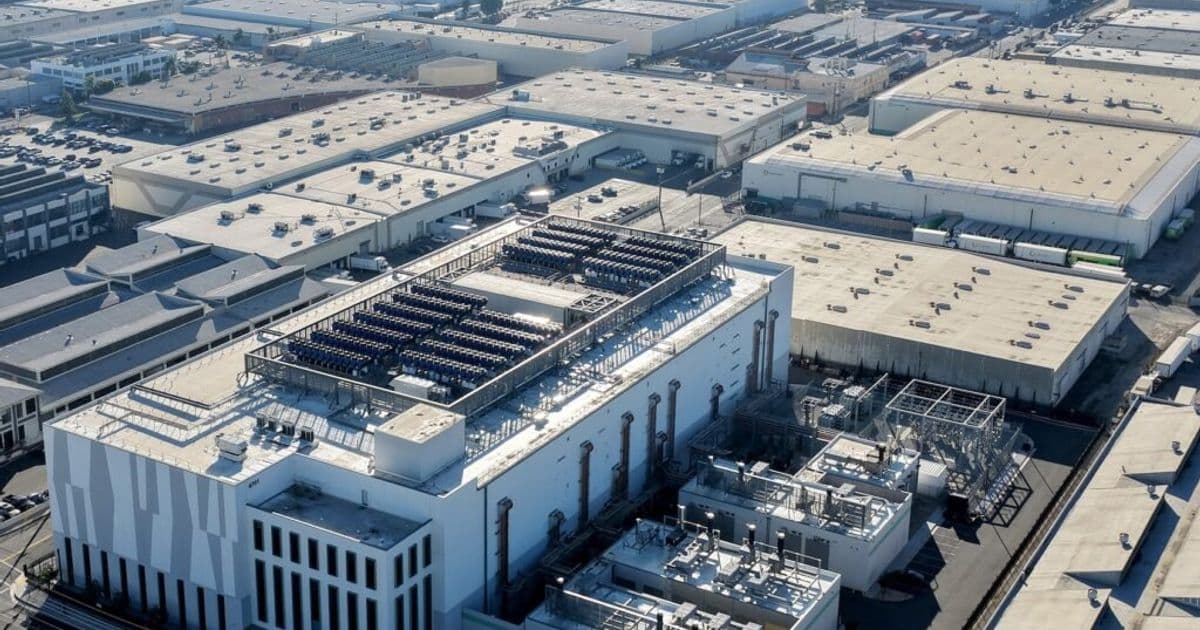
Washington state is home to about 126 artificial intelligence data centers that are evaporating millions of gallons of freshwater daily to keep their servers cool. While this cooling process prevents overheating, it's simultaneously draining local water supplies and straining regional drinking water resources. The rapid expansion of these facilities has also increased blackout risks due to their massive energy consumption.
[IMAGE:1]
"Water used for AI computing is mostly 'blue water.' It is fresh water from rivers and lakes, which humans could use directly," said Shaolei Ren, an electrical engineering professor at the University of California, Riverside. "Industries are growing, the global water cycle is out of balance, and we need to conserve more."
Data centers generate significant heat and require highly efficient cooling systems. Most facilities pass hot air over water-soaked padding, causing the water to evaporate into the atmosphere and taking the heat with it. This process can move water great distances from its original source, causing local water supplies to diminish.
The water consumption issue is compounded by the fact that modern AI models use drastically more electricity than a simple Google search. Data centers are predicted to become the single largest power consumers in the Pacific Northwest. This could allow tech companies to form a monopoly on cheap energy while simultaneously driving up utility costs for regular citizens.
Lawmakers attempted to address these concerns with Washington House Bill 2515, which would have forced facilities to use clean energy and reduce power consumption during high electricity demand periods. "These policies seek to protect ratepayers by ensuring new data centers are picking up the whole tab for new growth," said State Rep. Beth Doglio.
Despite these efforts, the bill died in committee, primarily due to tech industry lobbying. This defeat will leave residents vulnerable to rising utility costs and a high risk for electricity blackouts, while AI industries continue to benefit from cheap energy.
[IMAGE:2]
The situation highlights a growing tension between technological advancement and resource sustainability. As AI continues to expand, communities across Washington state and beyond will need to grapple with how to balance innovation with the preservation of essential resources like water and affordable energy.
Comments
Please log in or register to join the discussion