A San Francisco startup is using short‑term rentals as hidden testbeds for a household robot prototype, prompting lawsuits from hosts and highlighting gaps in regulatory oversight, supply‑chain transparency, and risk management for emerging robotics firms.
Announcement
A San Francisco‑based robotics firm, The Bot Company, is being sued by Airbnb host Sean Donovan for $12,383.50 after a group of guests allegedly used his property as an undocumented testing ground for a prototype household robot. The lawsuit, filed in the San Francisco County Court, claims the guests left the unit extensively damaged – broken tiles, stained furniture, missing shoe rack, and a flood of black cases that appear to have housed testing equipment. The Bot Company, which raised $150 million in a seed round at a $2 billion valuation, has not responded publicly.
Technical specs and supply‑chain context
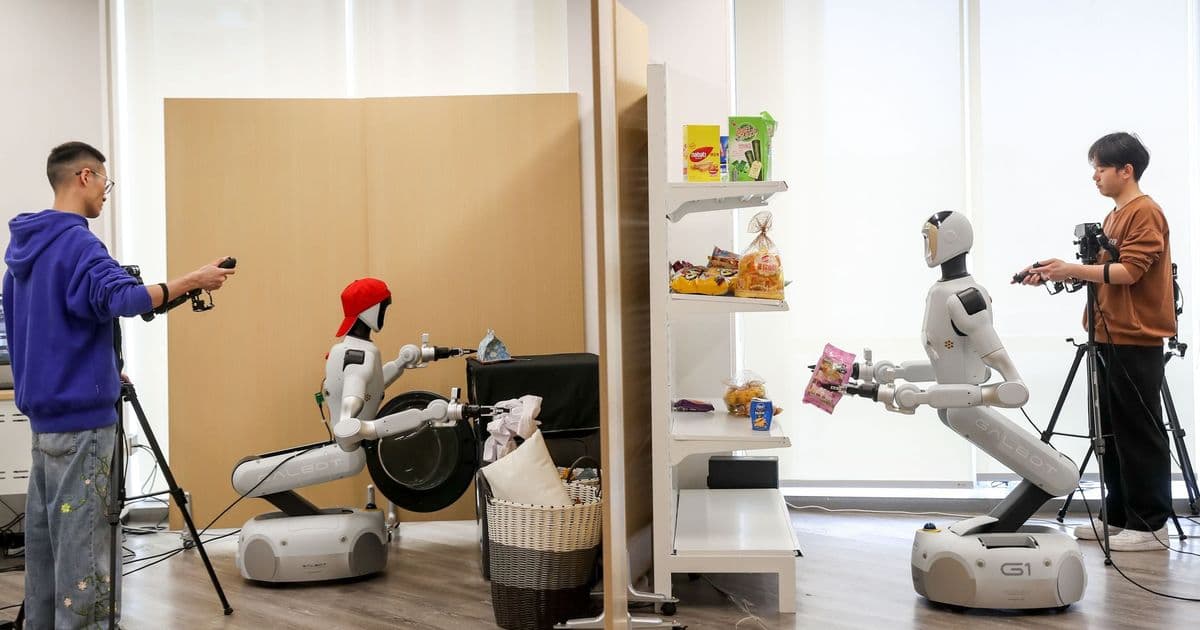
The prototype in question resembles a low‑profile coffee table on wheels, equipped with an articulated arm, dual grippers, and a suite of sensors for object recognition and manipulation. According to the startup tracker Sacra, the unit runs on a custom AI accelerator built on a 7 nm process node, delivering roughly 1.2 TOPS (tera‑operations per second) of inference performance while drawing under 15 W of power. The robot’s vision stack relies on a 4‑MP RGB camera and a LiDAR module that together generate a point cloud at 10 Hz, feeding the accelerator via a PCIe Gen 4 x4 interface.
The choice of a 7 nm node is notable: it aligns with the current mainstream high‑performance compute silicon from TSMC and Samsung, but it also pushes the Bot Company into a supply chain already strained by demand from data‑center GPUs and automotive SoCs. Securing wafer capacity for a low‑volume prototype can increase per‑unit cost dramatically – estimates suggest $2,500–$3,000 per robot for silicon alone, not counting the bespoke mechanical chassis and integration labor.
Market implications
Risk exposure for early‑stage robotics firms – Using residential rentals as ad‑hoc test labs sidesteps the expense of dedicated facilities, but it introduces legal and reputational risk. Hosts can claim property damage, breach of lease terms, and violations of local zoning that prohibit commercial activity in residential units. The Bot Company’s approach may force investors to demand tighter compliance frameworks and clearer liability coverage.
Supply‑chain pressure – The robot’s reliance on a cutting‑edge 7 nm AI accelerator ties its production to the same fabs that service Nvidia’s RTX 40‑series GPUs and Apple’s M2 chips. Any disruption – for example, a yield dip at TSMC’s Fab 5 – could delay prototype iterations, pushing the company’s timeline back and inflating development costs.
Competitive signal – By targeting a consumer‑grade form factor (a coffee‑table‑sized robot) the startup signals intent to compete directly with companies like iRobot and Amazon Astro. Those incumbents already ship devices built on mature 14 nm or 10 nm processes, prioritizing cost over peak AI performance. The Bot Company’s higher‑performance silicon could enable more sophisticated manipulation tasks, but it must balance that against price sensitivity in the home‑assistant market.
Regulatory scrutiny – The lawsuit underscores a gap in current regulations governing autonomous systems in private dwellings. If the Bot Company’s tests continue without explicit host consent, authorities may classify the activity as unauthorized commercial use, potentially invoking civil fraud statutes and consumer‑protection laws.
Outlook
The Bot Company’s situation serves as a cautionary tale for hardware startups that rely on aggressive field testing to accelerate product development. Investors will likely demand clearer risk‑mitigation strategies, such as:
- securing dedicated test apartments with written agreements;
- obtaining insurance that covers both property damage and liability;
- diversifying silicon sources to include a fallback 14 nm node that can be sourced from multiple fabs.
If the firm can navigate these challenges, its 7 nm AI accelerator could give it a performance edge in the emerging domestic‑robot market. However, the immediate legal exposure and supply‑chain volatility suggest that the path to a commercially viable household robot will be more complex than simply placing a prototype in an Airbnb.
For further reading on the Bot Company’s funding and prototype details, see the Sacra profile here.
Comments
Please log in or register to join the discussion