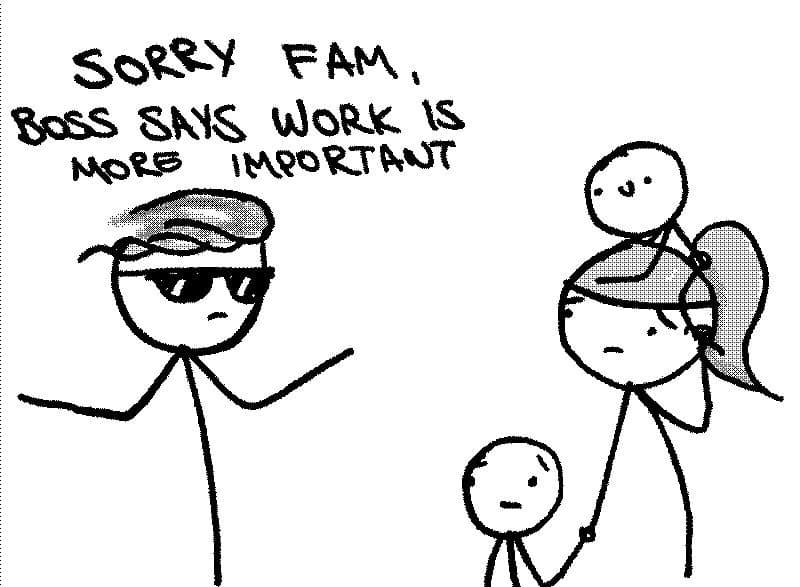
Three years after the pandemic proved remote work's viability, the tech industry is witnessing a swift reversal back to office mandates, raising critical questions about productivity, talent inclusion, and the true drivers of workplace culture.
The pandemic forced an unprecedented global experiment in remote work. As offices emptied and commutes vanished, a prevailing question emerged: Could technology truly replace physical proximity? The answer, it turned out, was a resounding yes. Productivity metrics remained stable, collaboration tools evolved, and employees demonstrated that work could be performed effectively outside traditional office walls. Yet today, that experiment is being hastily unwound. Companies that reluctantly embraced flexibility during crisis are now mandating returns to the office, often with reasoning that fails to withstand scrutiny.
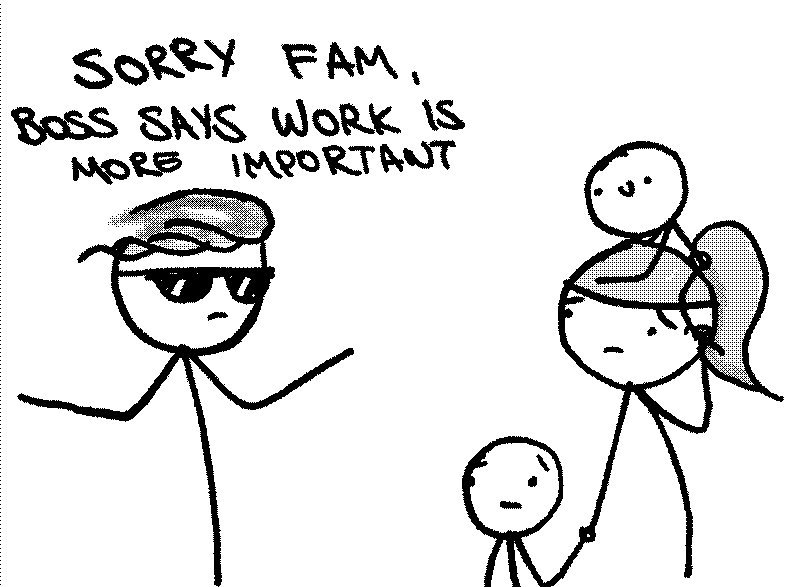
This reversal reveals a fundamental disconnect between stated corporate priorities and actual operational needs. Employers frequently justify office mandates with vague assertions about 'collaboration' and 'culture,' while offering little concrete evidence that physical presence enhances output. The argument that employees require face-to-face interaction to communicate effectively ignores the sophistication of modern digital tools. Video conferencing, asynchronous communication platforms, and collaborative coding environments have matured to support complex technical work. The insistence on physical presence often masks deeper concerns about managerial control and outdated notions of productivity measurement.
For developers and engineers, this shift carries particular consequences. The tech industry has long prided itself on meritocracy, yet office mandates create artificial barriers to talent. Developers living outside major tech hubs face impossible commutes or geographic exclusion, despite possessing identical skills to their office-based counterparts. One developer, located an hour from Israel's tech center, recounts being rejected for hybrid roles with questions about commute feasibility and location preferences, effectively penalizing them for choosing work-life balance. This geographic filtering contradicts the industry's claim to value skills over proximity.
The cognitive costs of forced office attendance are particularly acute for knowledge workers. Developers often require uninterrupted focus to solve complex problems—a state difficult to achieve in open-plan offices with constant interruptions. The mental load of commuting, office politics, and environmental distractions consumes energy that could be directed toward innovation. For neurodivergent individuals, these challenges are amplified. The assertion that 'nothing beats face-to-face conversation' ignores the reality that many technical tasks thrive in quiet, controlled environments where deep work can flourish.
The pushback against remote work also exposes uncomfortable truths about workplace culture. When companies tout 'perks' like free snacks or beer taps as compensation for lost time and flexibility, they reveal a transactional view of employee wellbeing. These amenities pale in comparison to the value of reclaimed personal time, reduced stress, and the ability to work during individual peak productivity hours. The obsession with appearing on 'Top Workplace' lists often prioritizes superficial metrics over substantive improvements in employee satisfaction or output.
In response to this shifting landscape, some developers are reasserting agency over their careers. Rather than passively accepting mandates, they're investing in personal development, building side projects, and redefining success on their own terms. The philosophy of focusing on controllable factors—like Admiral William McRaven's advice to 'make your bed' each morning—provides a framework for navigating uncertainty. By mastering new skills, creating personal tools, and prioritizing wellbeing, developers can build resilience against workplace trends beyond their control.
The future of work in tech remains unwritten. While some roles will always benefit from physical collaboration, the industry's default should be flexibility unless a compelling case for presence exists. Until employers move beyond nostalgic preferences and embrace evidence-based approaches to productivity, the tension between tradition and innovation will persist. For developers, the challenge lies not just in adapting to changing workplace norms, but in helping redefine what truly matters in the modern workplace.
Comments
Please log in or register to join the discussion