Once marketed as the future of convenient living, the smart home concept has largely failed to deliver on its promises. This article examines why the smart home bubble burst, analyzing technical limitations, business model failures, and the gap between marketing claims and practical reality.
The smart home revolution that was promised in 2015 has largely fizzled out, leaving behind a landscape of abandoned devices, privacy concerns, and technical headaches. What began as an exciting vision of automated, convenient living has devolved into a fragmented ecosystem of competing standards and unreliable services.
Historical Context: From X10 to IoT
Home automation isn't actually a new concept. The technology dates back to 1975 with the introduction of the X10 protocol, which used existing power lines for communication between devices. These early systems, while limited by today's standards, offered reasonable reliability and didn't require constant internet connectivity or cloud subscriptions.
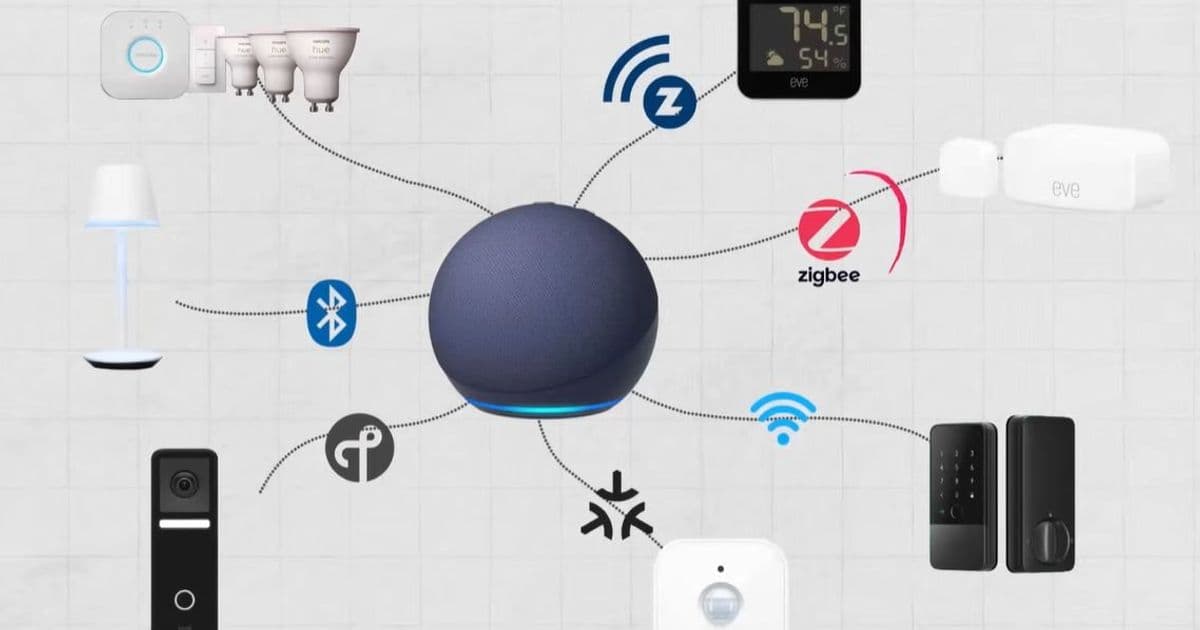
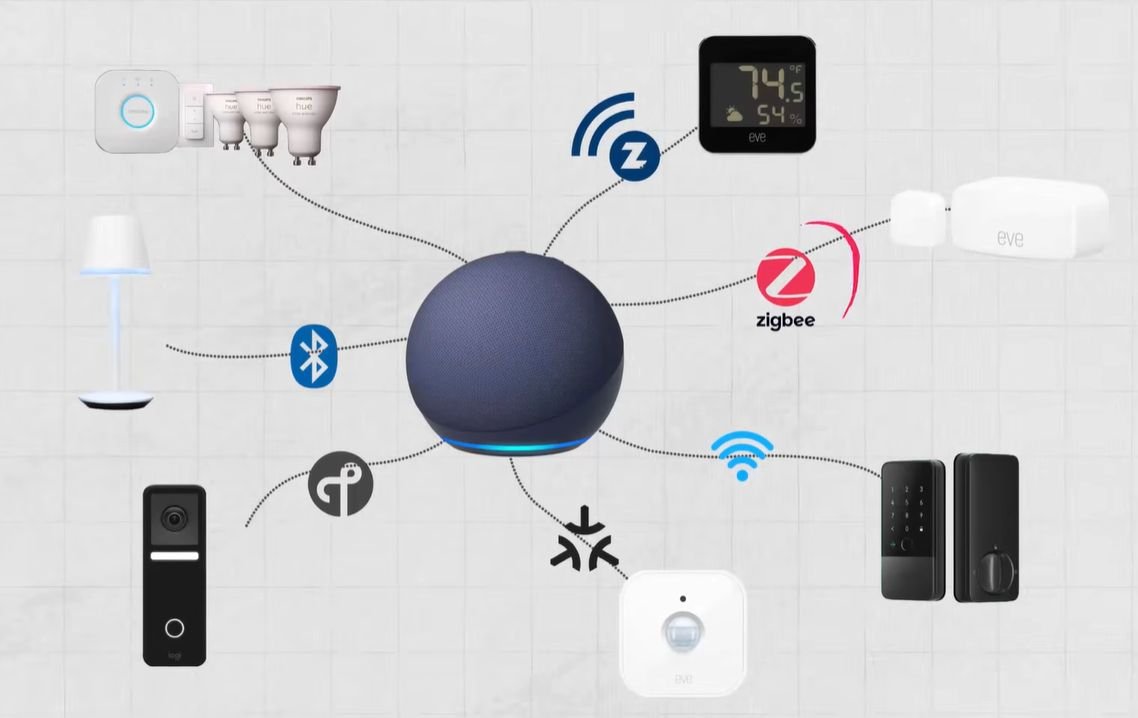
The real shift came with the IoT explosion of the 2010s, which brought with it a flood of new standards: Zigbee, Z-Wave, Bluetooth, WiFi, and proprietary protocols. This fragmentation created immediate compatibility issues that persist today. Unlike the X10 era where devices from different manufacturers could typically work together, the modern smart home requires careful selection of compatible ecosystems or complex integration work.
Technical Challenges: Spectrum Congestion and Reliability
One of the most significant technical failures of the smart home movement is the congestion of the 2.4 GHz spectrum. WiFi, Zigbee, Bluetooth, and numerous other protocols all operate in this limited frequency range, leading to interference and reduced reliability. As more devices connect to home networks, the performance of wireless communications degrades, causing smart devices to become unresponsive or fail entirely.
The promise of "plug-and-play" smart homes has never materialized for the average consumer. Even basic setups often require troubleshooting network issues, updating firmware, and dealing with app compatibility problems. The technical complexity that was supposed to be hidden behind user-friendly interfaces has simply been pushed to different layers of the system, often landing on the shoulders of the end-user.
Business Model Failures: The Cloud Dependency Trap
Many smart home companies built their business models around cloud-dependent services, assuming that remote access and processing would justify subscription fees. This approach proved financially unsustainable for many, leading to abandoned platforms, orphaned devices, and frustrated customers.
The financial viability of running remote services for smart home solutions has been a persistent challenge. When companies fold, their cloud services disappear, leaving devices that may still function locally but lose their most advertised features. This creates a cycle where consumers become increasingly wary of investing in smart home technology that may become unsupported.
The Local Alternative: Home Assistant
For those willing to embrace more technical solutions, Home Assistant offers a locally-hosted alternative to cloud-dependent smart home systems. It supports hundreds of devices and protocols, allowing users to create automation rules without relying on third-party servers.
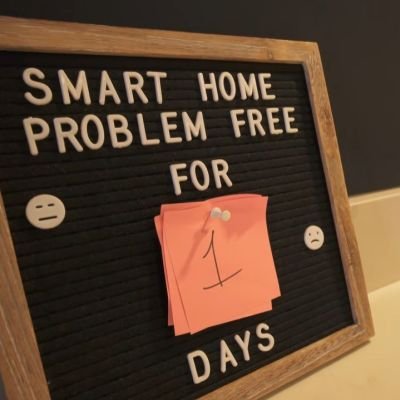
However, Home Assistant presents its own challenges. The learning curve is steep for non-technical users, and even the plug-and-play Home Assistant Green hardware solution can be difficult for average consumers to set up and maintain. When something goes wrong—a common occurrence with complex integrations—troubleshooting requires technical expertise that most households lack.
The "Smart" Problem: Lack of Actual Intelligence
Perhaps the greatest misnomer in smart home technology is the word "smart." Current systems are better described as "automated" rather than "intelligent." They follow pre-programmed rules without any ability to learn, adapt, or make contextual decisions. Creating automation rules in Home Assistant or similar platforms is more akin to programming than to creating an intelligent system.
Attempts to add real intelligence through AI assistants like Alexa, Google Assistant, or Siri have fallen short of expectations. These systems struggle with context understanding, nuance, and reliable execution of complex commands. As [Caya] demonstrates in his video, even when integrating AI through systems like OpenClaw, the limitations become apparent when trying to apply intelligence to critical functions like door locks.
The Path Forward
The smart home concept isn't entirely dead, but it needs a fundamental rethinking. Future success likely depends on:
- Standardization: Interoperability between devices from different manufacturers
- Local-first approaches: Reducing dependency on cloud services
- Genuine intelligence: Moving beyond simple automation to context-aware systems
- Privacy by design: Building systems that respect user privacy rather than exploiting it
- Sustainable business models: Companies that can maintain services without relying on subscriptions
The smart home bubble may have popped, but the underlying needs for convenience, efficiency, and automation remain. The next iteration of smart home technology will need to address the failures of the past while delivering on the original promises that captured our imagination a decade ago.
Comments
Please log in or register to join the discussion