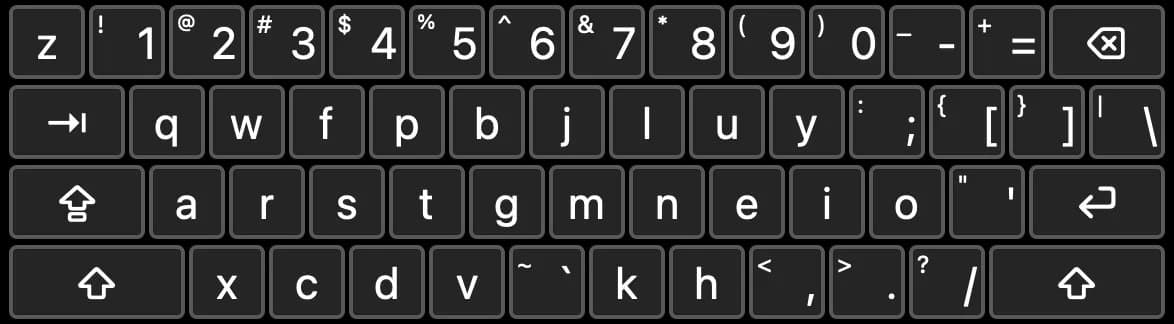
A personal account of switching from QWERTY to Colemak-DH reveals the profound impact keyboard layout has on long-term typing health and productivity.
The keyboard, that unassuming rectangular interface between human thought and digital expression, has remained remarkably unchanged for over a century. Pedro Alves's journey from 100wpm QWERTY user to Colemak convert represents more than just a personal experiment—it's a reflection on how deeply ingrained our interaction patterns become and the ergonomic compromises we make in the name of convention.
The historical accident that gave us QWERTY, originally designed to prevent mechanical typewriter jams, has evolved into something far more problematic: a digital interface that actively contradicts ergonomic principles. Pedro's experience highlights this contradiction beautifully. Despite achieving impressive typing speeds, he developed debilitating habits that left him with aching fingers—a classic case of how efficiency in the short term can compromise long-term health.
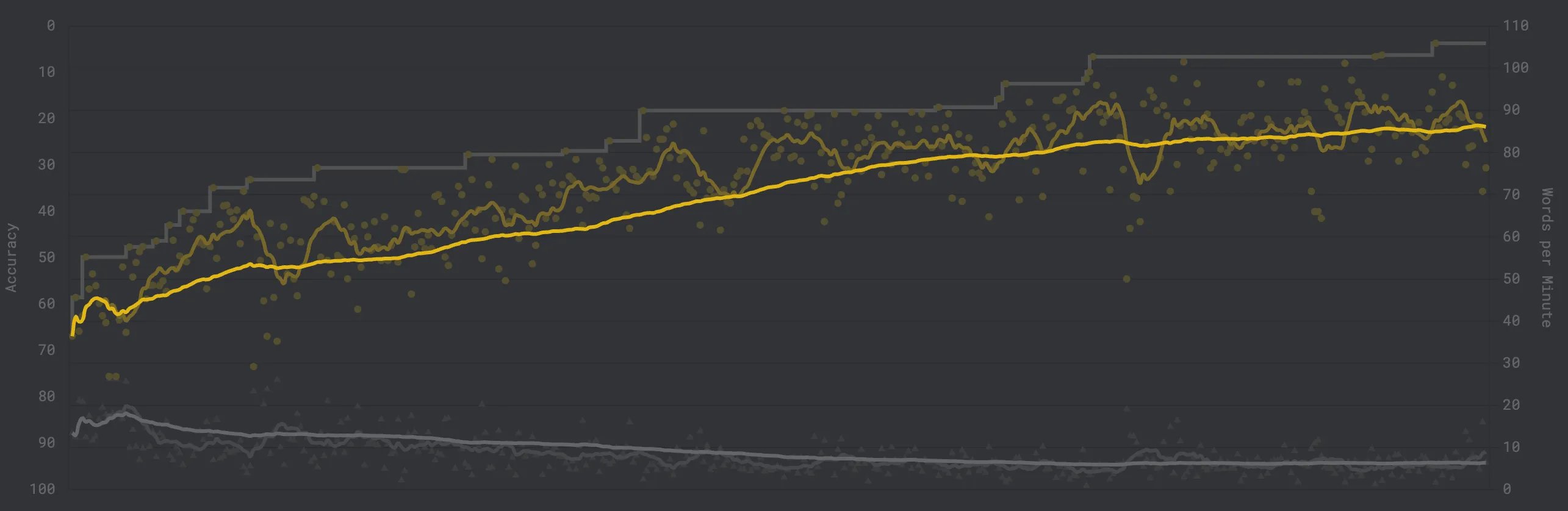
What makes Pedro's account particularly compelling is his systematic approach to this transition. Starting with keybr.com, he methodically built muscle memory for the Colemak-DH layout, progressing from 22wpm on day 0 to 85wpm just weeks later. This gradual process reveals something fundamental about learning: we cannot simply replace deeply ingrained patterns; we must build new ones while the old ones still hold influence.
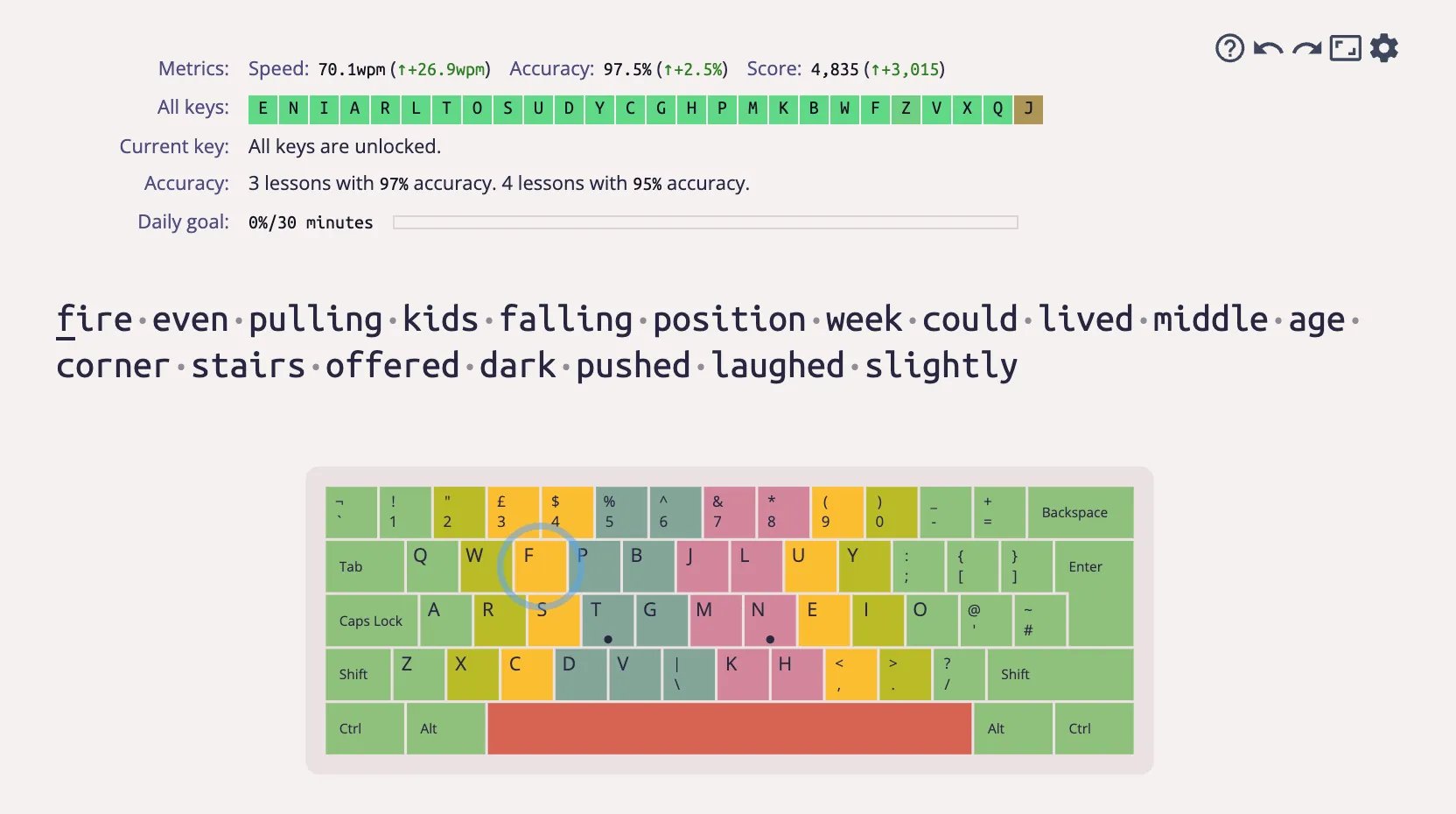
The challenges Pedro encountered during this transition illuminate the subtle complexities of human-computer interaction. The symbol placement issues with his Portuguese keyboard, for instance, demonstrate how local language conventions interact with global interface standards. His struggle with Vim keybindings reveals how specialized workflows become deeply entwined with primary input methods. Even something as seemingly simple as password entry became problematic, exposing how our fingers develop memory independent of conscious thought.
Perhaps most interesting is Pedro's discovery of the Extend layer, which transforms Caps Lock into a modifier for navigation functions. This innovation represents a philosophical shift in keyboard design: not just rearranging existing keys, but reimagining what a keyboard can be when freed from historical constraints. It's a small change that dramatically reduces the need to leave the home row, embodying the ergonomic principles that alternative layouts seek to implement.
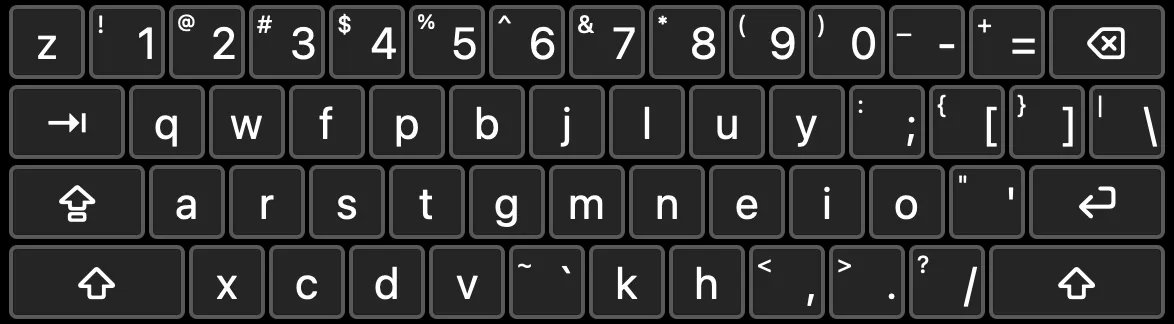
The broader implications of Pedro's experience extend far beyond personal productivity. In an age where knowledge workers spend increasingly large portions of their day typing, the ergonomics of input methods become a public health concern. Repetitive strain injuries, once primarily associated with manufacturing, now disproportionately affect those in information-based professions. Pedro's decision to endure temporary productivity loss for long-term health gains reflects a growing awareness of these issues.
Yet, counter-perspectives remain valid. The ubiquity of QWERTY creates network effects that alternative layouts struggle to overcome. The collective muscle memory of billions of users forms a powerful barrier to change, regardless of ergonomic advantages. Furthermore, as Pedro noted, the phone keyboard ecosystem remains largely QWERTY-based, creating a fragmented experience for those who adopt alternative layouts on their primary devices.
The philosophical dimension of this discussion touches on deeper questions about technological inertia and design evolution. Why do we persist with interfaces that actively work against human comfort and efficiency? The answer lies in the interplay between standardization and optimization. While QWERTY may be suboptimal from an ergonomic standpoint, its universal adoption creates a shared language that facilitates collaboration and reduces learning costs.
Pedro's journey ultimately suggests that the optimal approach may not be universal adoption of alternative layouts, but rather greater awareness of typing ergonomics across all interfaces. His experience demonstrates that with deliberate practice and appropriate tools, it's possible to overcome deeply ingrained habits and develop more sustainable interaction patterns.
As we stand at the threshold of new input technologies—voice recognition, eye-tracking, brain-computer interfaces—keyboard layouts may seem like a solved problem. Yet Pedro's experience reminds us that the most enduring interfaces are those that align most closely with human physiology and cognition. The Colemak journey, therefore, represents not just a personal experiment, but a meditation on the fundamental question of how we might design interfaces that honor both our history and our physical needs.
Comments
Please log in or register to join the discussion