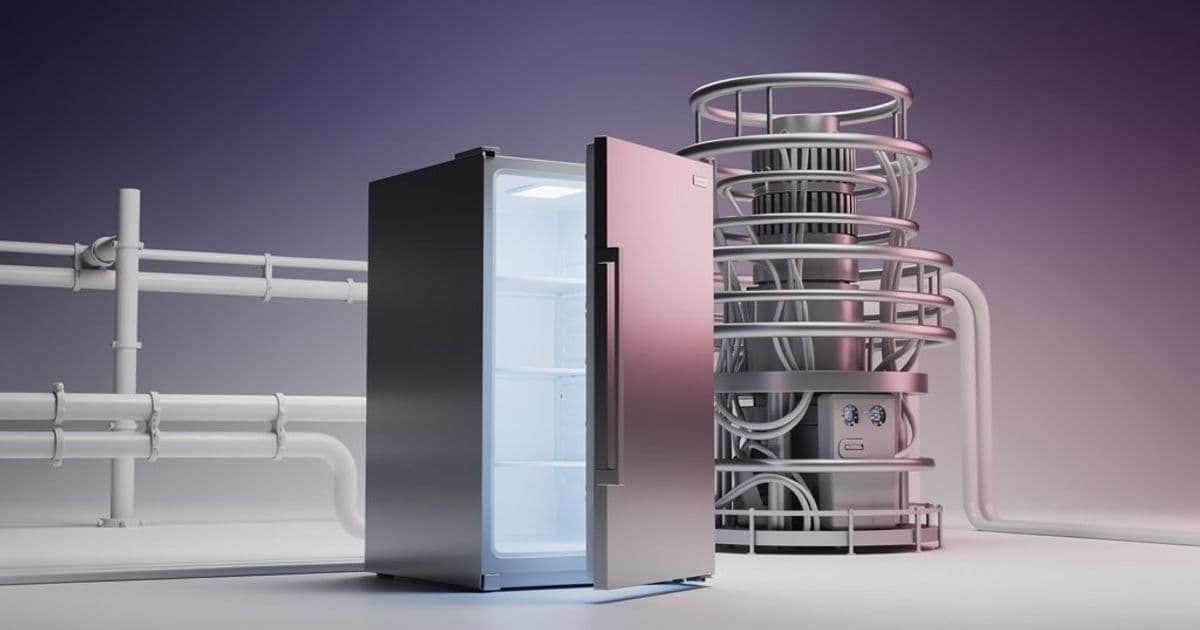
Brian Potter's reading list reveals how everyday systems—from appliance logistics to nuclear reactors—highlight the hidden complexities of technological integration and societal adaptation.
In Brian Potter's curated examination of technological and infrastructural developments, a recurring theme emerges: the friction points where human systems collide with technological capabilities reveal profound truths about societal organization. This week's analysis spans domestic appliances, autonomous transportation, movable bridges, and radical energy solutions—each case study demonstrating how infrastructure gaps generate both ingenious workarounds and systemic vulnerabilities.
The Los Angeles refrigerator paradox exemplifies Potter's thesis about process synchronization failures. For decades, LA renters bore the burden of supplying and removing refrigerators—a practice virtually nonexistent elsewhere in America. This created secondary markets for used appliances and informal renter networks, but also introduced significant transaction costs. As Potter notes, this represents a classic buffer problem: when lease termination and initiation dates couldn't align perfectly, the refrigerator became a physical manifestation of temporal misalignment. California's new law mandating landlord-provided appliances eliminates this inefficiency, but raises questions about why such an outlier persisted for so long. It underscores how localized traditions can perpetuate avoidable complexities until regulatory intervention forces standardization.
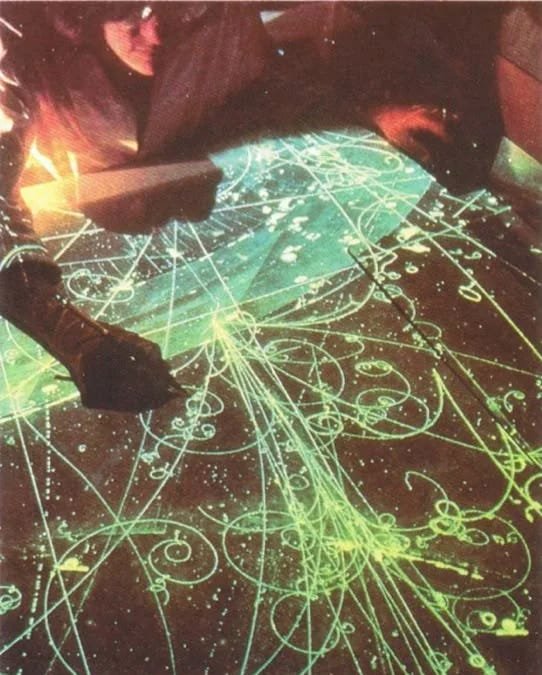
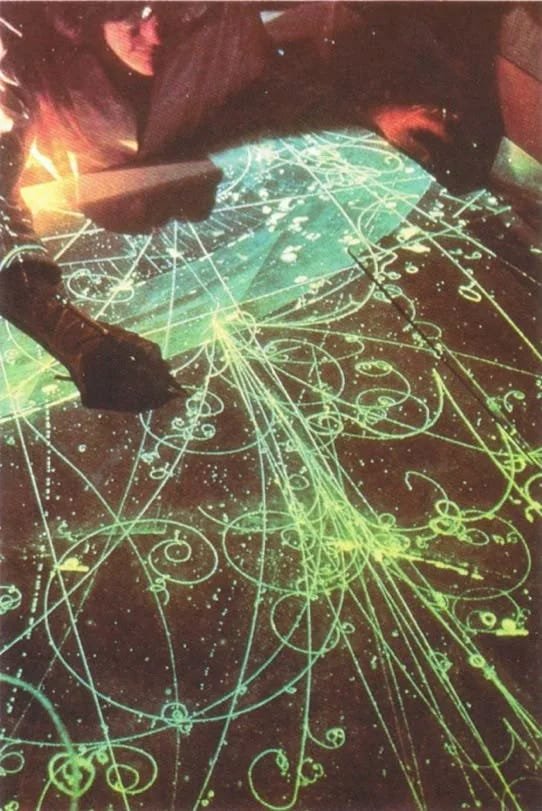 Bubble chamber scanner, via Reddit.
Transportation reveals another layer of systemic adaptation. In Los Angeles, parents increasingly deploy Waymo robotaxis as de facto school shuttles—a solution born from the inadequacies of traditional options. School buses operate on rigid schedules, public transit poses perceived safety concerns, and human-driven ride services like Uber cancel rides for unaccompanied minors. Autonomous vehicles fill this void by providing on-demand, adult-free transportation. Yet this practical solution exists in regulatory limbo, as California law technically prohibits minors from riding alone in robotaxis. The emergence of this workaround highlights how technology often outpaces legal frameworks, creating zones of tolerated non-compliance that challenge policymakers to adapt.
The fragility of automated infrastructure surfaces dramatically in Dublin's Seán O'Casey Bridge. This pedestrian swing bridge, designed to pivot for passing boats, was rendered immobile for four years after losing its handheld remote control—a device likened to a 1990s mobile phone. The incident illuminates critical vulnerabilities: over-reliance on single-point failure components, inadequate institutional memory during organizational transitions, and funding gaps for basic maintenance. A movable bridge that cannot move symbolizes how even sophisticated engineering can be defeated by mundane administrative failures, reminding us that resilient systems require redundant controls and institutional continuity.
Perhaps the most audacious proposal involves repurposing naval nuclear reactors for data center power. As detailed in Potter's sources, HGP Intelligent Energy seeks to deploy decommissioned submarine reactors in Tennessee—a response to the AI industry's insatiable energy demands. These compact reactors offer high-density, carbon-free power without new grid connections, potentially delivering 500+ megawatts. However, they introduce extraordinary risks: using weapons-grade uranium from decommissioned warheads creates nuclear proliferation concerns, while civilian deployment of military technology lacks established safety protocols. This represents an extreme manifestation of the energy desperation driving unconventional solutions, where the urgency of technological progress collides with existential safety calculations.
These case studies collectively demonstrate that technological systems never operate in isolation. They exist within webs of social practices, regulatory environments, and maintenance ecosystems. The LA fridge dilemma shows how material burdens migrate to users without systemic optimization. Waymo's kid shuttle service reveals how behavioral needs reshape technology applications faster than laws can respond. The lost bridge remote epitomizes the hubris of assuming mechanical complexity guarantees functionality. And naval reactors repurposed for data centers illustrate the Faustian bargains societies consider when facing energy constraints.
Counter-perspectives warrant consideration: while robotaxis solve immediate transportation gaps, they may discourage investments in safer public transit infrastructure. Nuclear solutions for data centers could accelerate decarbonization but might normalize high-risk energy paradigms. Yet Potter's selection ultimately argues that these adaptations are not mere curiosities—they're diagnostic tools revealing where our technological civilization is most vulnerable, and where innovation emerges when conventional systems fail. As infrastructure strains under population growth and climate pressures, such creative friction points will increasingly define our collective future.
Comments
Please log in or register to join the discussion