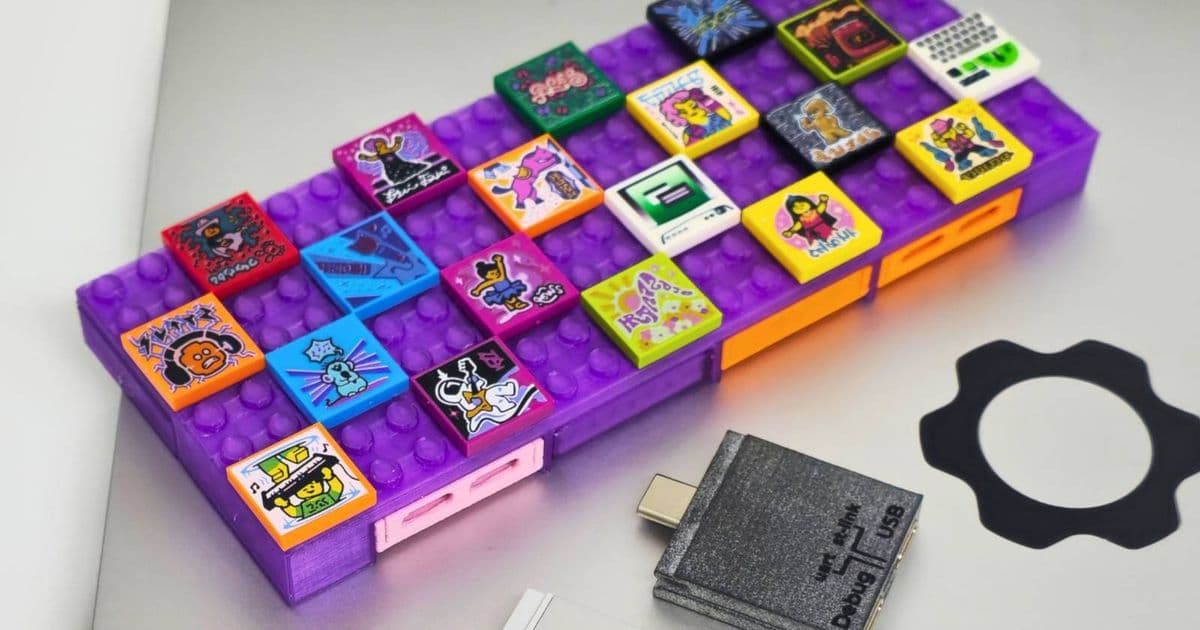
A third-party developer has created a functional USB-C dock that accepts Framework's proprietary Expansion Cards, solving a major pain point for Framework laptop users who want to use their existing modules in a desktop setup. The project demonstrates the potential for Framework's modular ecosystem to extend beyond laptops, but also highlights the company's own missed opportunity in not offering such a product.
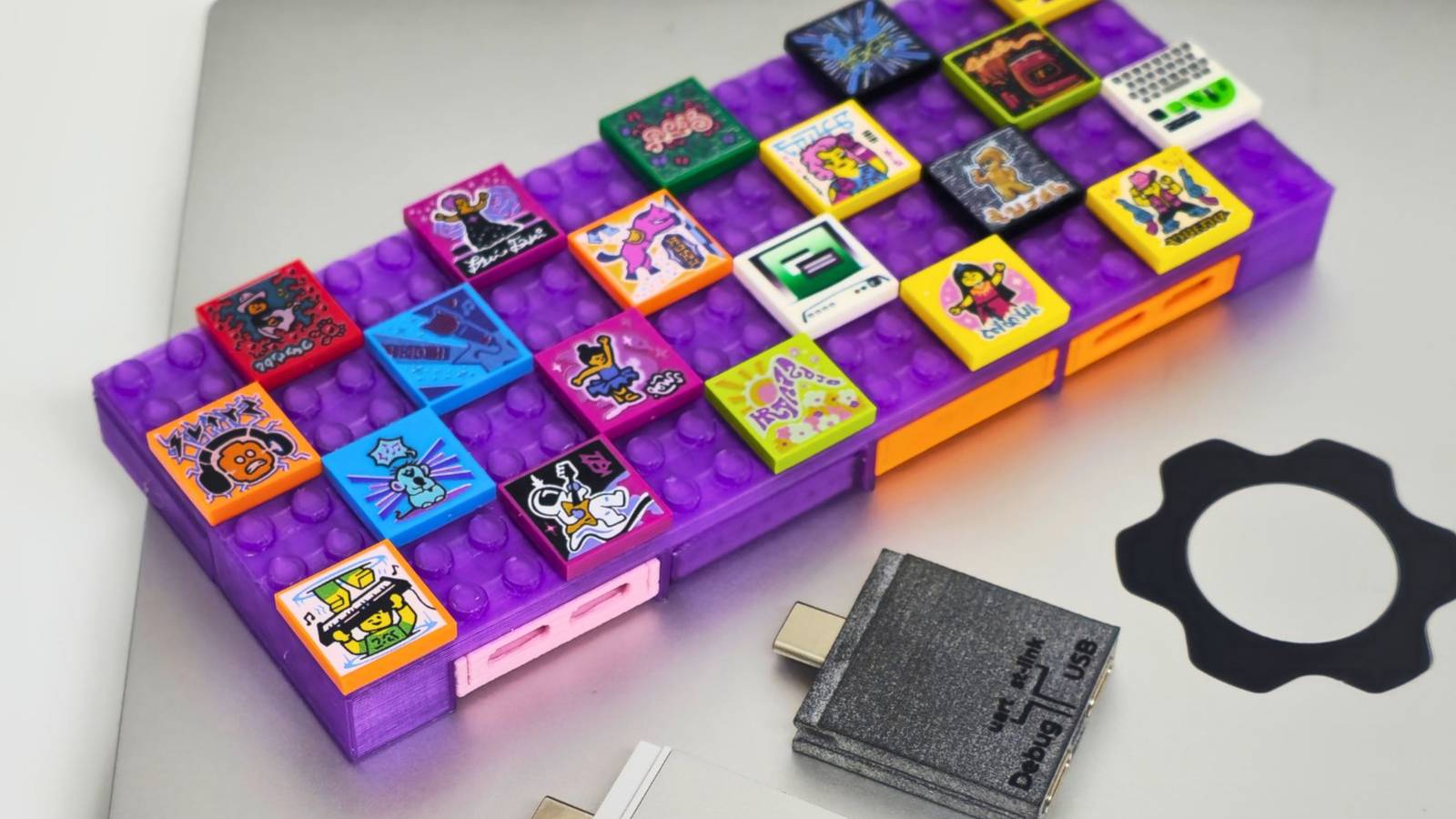
Framework's promise of a truly modular laptop has always been compelling in theory, but practical limitations have often kept the ecosystem feeling somewhat constrained. The company's proprietary Expansion Cards—those small modules that snap into the sides of Framework laptops to add ports like USB-C, HDMI, or even storage—have been brilliant for laptop portability but largely useless once you dock your Framework laptop. Now, a third-party developer has created something that should have existed from day one: a USB-C dock that accepts Framework Expansion Cards directly.
The Problem with Framework's Current Ecosystem
Framework's Expansion Cards solve a genuine problem in laptop design. Instead of being stuck with whatever ports the manufacturer decides to include, you can swap in exactly what you need. Need more USB-A ports for legacy peripherals? Swap in a USB-A Expansion Card. Need an HDMI port for a presentation? Swap in the HDMI module. The system works beautifully on the go.
But once you connect your Framework laptop to a desktop setup—whether at home or in the office—the Expansion Cards become redundant. You're typically connecting through a single USB-C cable to a traditional dock that provides all the ports you need. The Expansion Cards you've carefully chosen for mobile use sit idle, and you're left with whatever ports the dock manufacturer provides.
This creates a frustrating disconnect. Framework users have invested in a modular system, but that modularity disappears when they need it most—at their desk. The Expansion Cards you've purchased become expensive accessories that only work when you're mobile, even though you might want to use them in your stationary setup.
A Third-Party Solution Emerges
Enter the "DockFrame" project, created by developer Michael Klements. This isn't a concept render or a theoretical design—it's a working prototype that demonstrates exactly what a Framework-compatible dock should look like.
The DockFrame is essentially a USB-C dock with a twist: instead of fixed ports, it features slots designed to accept Framework Expansion Cards. The dock connects to your computer via USB-C (providing power delivery, data transfer, and display output), and then you can snap your Framework modules into the dock's slots just like you would into a Framework laptop.
Klements built this using a combination of 3D-printed parts and standard electronics. The core is a USB-C hub controller board (similar to those found in commercial docks) that provides the underlying connectivity. The Expansion Card slots are 3D-printed to match Framework's exact specifications, ensuring proper fit and electrical connection.
The result is a functional dock that can accept any Framework Expansion Card. Need USB-A ports? Snap in your USB-A modules. Want an SD card reader? Slot in the SD card module. The dock essentially extends the modular concept of Framework laptops to your desktop setup.
Technical Implementation Details
The DockFrame project provides a fascinating look at how Framework's proprietary system can be reverse-engineered and adapted. The Expansion Cards use a standard USB-C connector with a custom pinout and mechanical design. By understanding this specification, Klements was able to create compatible slots.
The dock uses a USB-C PD (Power Delivery) controller to handle charging, with typical support for up to 100W—enough to power most Framework laptops while they're docked. The data portion connects to a USB 3.2 Gen 2 hub controller, providing up to 10Gbps bandwidth per port.
One interesting challenge Klements faced was the mechanical design. Framework's Expansion Cards have a specific latching mechanism that requires precise positioning. The 3D-printed slots needed to accommodate this while maintaining proper electrical contact. The solution involved careful measurements and multiple iterations to get the fit just right.
The project also highlights the importance of Framework's open approach. While the Expansion Cards themselves are proprietary, Framework has been relatively open about their specifications, making projects like this possible. This stands in contrast to companies that lock down their ecosystems completely.
Why This Matters for Framework Users
For Framework laptop owners, this dock solves several practical problems:
Unified Port Strategy: You can use the same Expansion Cards whether you're mobile or at your desk, maintaining consistency in your peripheral setup.
Cost Efficiency: Instead of buying separate docks and Expansion Cards, you can use your existing modules. A Framework USB-C Expansion Card costs around $9, while a quality USB-C dock with similar ports can cost $50-100.
Customization: You're not limited to the ports a dock manufacturer chooses to include. If you need three USB-A ports and an HDMI port, you can configure exactly that.
Future-Proofing: As Framework releases new Expansion Cards (like the upcoming 2.5GbE Ethernet module), you can add them to your dock without replacing the entire unit.
Framework's Missed Opportunity
Perhaps the most telling aspect of this project is that it shouldn't exist. Framework has built an entire ecosystem around modular ports, yet they've never released an official desktop dock that accepts Expansion Cards.
This feels like a significant oversight. The company has shown willingness to explore peripheral products—they sell a keyboard, a monitor, and even a case for their mainboard. A dock would be a natural extension of their ecosystem.
The business case is straightforward. Framework users are already invested in the Expansion Card system. They understand and appreciate modularity. A Framework-branded dock would likely sell well to existing customers and could serve as an entry point for new users considering the Framework ecosystem.
Moreover, an official dock could solve some technical challenges that third-party solutions might face. Framework could ensure optimal compatibility, provide firmware updates, and offer warranty support. They could also integrate features like Framework's proprietary expansion bay for storage, creating a truly comprehensive desktop solution.
The Broader Implications
The DockFrame project demonstrates something important about the tech industry: when companies create compelling ecosystems, third-party developers will find ways to extend them. Framework's modular approach has inspired creativity, and this dock is just one example.
It also shows the value of open specifications. While Framework's Expansion Cards are proprietary, the company has been transparent enough about their design that others can build compatible products. This openness strengthens the ecosystem and benefits all users.
For other companies watching, there's a lesson here about thinking beyond the primary product. Framework's laptop is excellent, but the real value comes from the ecosystem around it. A dock might seem like a small addition, but it completes the picture of a truly modular computing experience.
Looking Ahead
The DockFrame project is currently a prototype, not a commercial product. Klements has shared the design files and documentation on GitHub, making it available for anyone to build or modify.
For users who don't want to 3D-print and assemble their own dock, this project serves as a proof of concept. It demonstrates that the idea is viable and that there's clear demand. Hopefully, it will inspire Framework to consider an official version.
In the meantime, the project opens up possibilities for other third-party developers. We might see docks with different form factors, additional features like integrated storage, or even specialized docks for specific use cases (like creative professionals who need specific port configurations).
The modular computing vision that Framework championed is slowly expanding beyond the laptop itself. While we wait for official products to fill these gaps, projects like DockFrame show what's possible when the community takes matters into its own hands.
For Framework, the message should be clear: your users want modularity everywhere, not just in their laptops. The Expansion Card system is brilliant, but its potential is limited if it only works in one device. A desktop dock isn't just a nice-to-have accessory—it's the missing piece that makes the entire ecosystem truly coherent.
Until Framework responds, third-party developers will continue to bridge the gaps. And that's ultimately good for everyone: it pushes innovation, gives users more options, and demonstrates the real-world value of modular design. The DockFrame project might be a small step, but it points toward a future where our computing environments are truly flexible and user-configurable.
The path forward is clear: Framework should make an official Expansion Card dock. The demand is there, the technology is proven, and the ecosystem benefits would be substantial. Until then, we have projects like DockFrame to show us what could be—and to remind us that sometimes the best innovations come from the community, not the boardroom.
Comments
Please log in or register to join the discussion