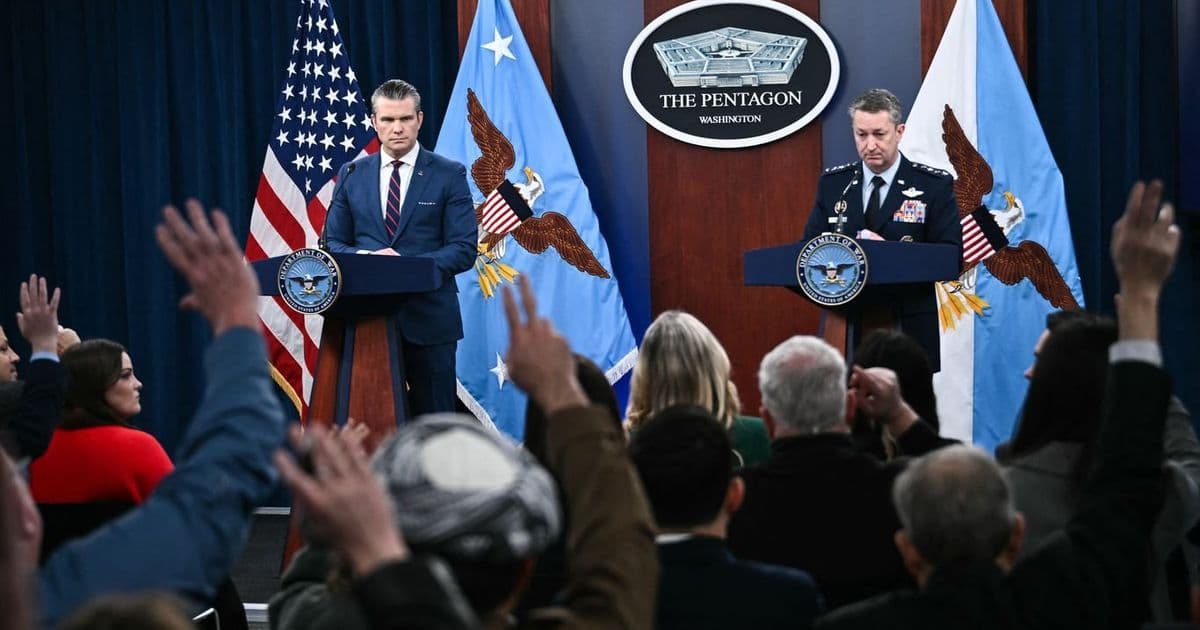
Joint Chiefs Chairman Gen. Dan Caine acknowledges achieving U.S. objectives in Iran will take 'time,' signaling a potentially prolonged military engagement.
Top U.S. General Says Iran Conflict Will Require Extended Timeline
Joint Chiefs Chairman Gen. Dan Caine acknowledges achieving U.S. objectives in Iran will take 'time,' signaling a potentially prolonged military engagement.
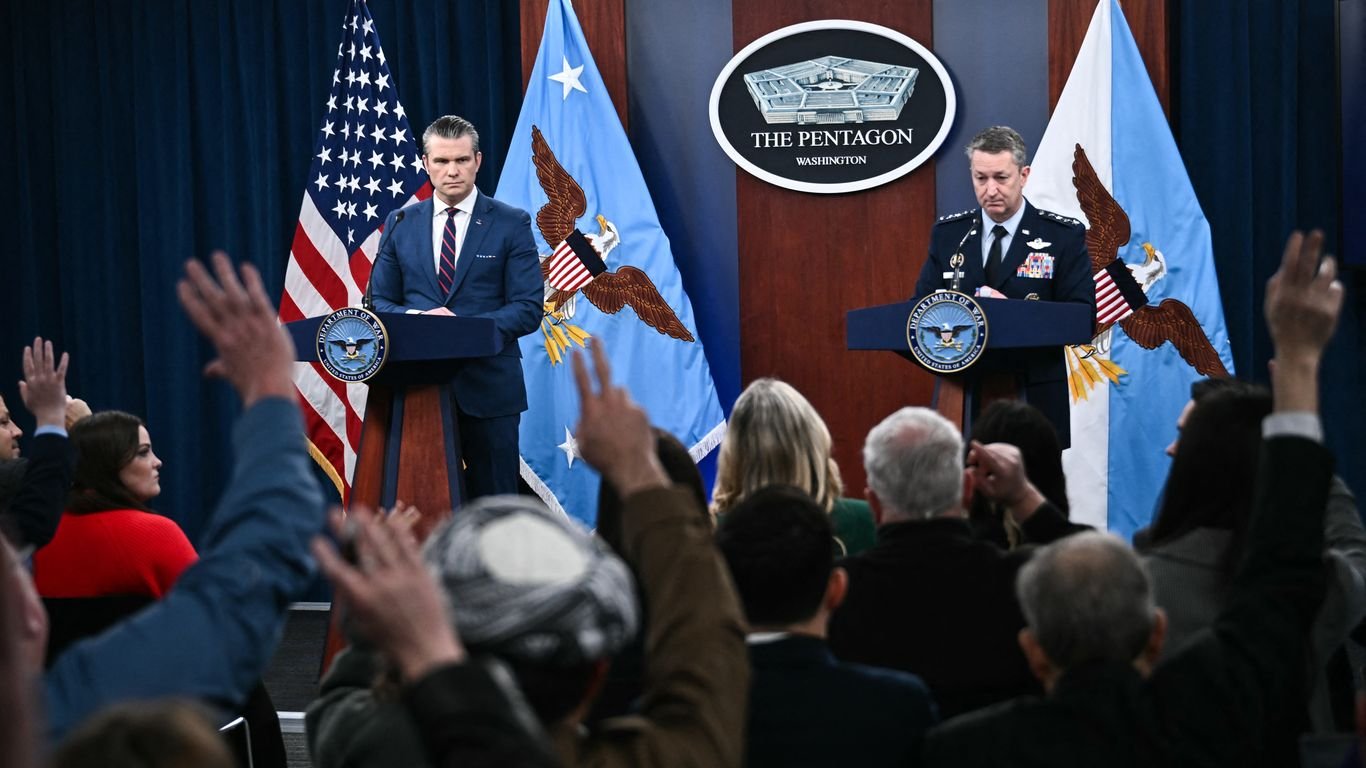
Defense Secretary Pete Hegseth and Joint Chiefs of Staff Chairman Gen. Dan Caine held a press briefing at the Pentagon where Caine provided sobering assessment about the timeline for achieving U.S. military objectives in Iran.
Timeline Assessment
When pressed by reporters about how long it would take to accomplish stated goals in Iran, Gen. Caine responded directly: "It's going to take time." The general declined to provide specific timeframes but emphasized that the complex nature of the operation means immediate results should not be expected.
Strategic Context
The comments come amid escalating tensions in the Middle East, where U.S. forces have been repositioning and conducting operations. Caine's acknowledgment suggests military planners are preparing for a sustained campaign rather than quick surgical strikes.
Military Preparations
Sources indicate that Pentagon planners have been developing phased approaches that could extend over months rather than weeks. This includes:
- Prepositioning of additional assets in the region
- Coordination with allied forces
- Development of multiple operational scenarios
- Contingency planning for various Iranian responses
Economic Impact
The extended timeline assessment has already begun affecting global markets. Oil prices have shown volatility as traders price in the risk of prolonged instability in a region that supplies roughly 30% of the world's petroleum.
Diplomatic Implications
Caine's comments also signal to international partners that the U.S. is committing to a longer-term strategy. This may influence how other nations position themselves diplomatically and whether they choose to support or distance themselves from American operations.
Historical Precedent
Military experts note that Caine's assessment aligns with historical patterns where conflicts involving Iran have typically extended beyond initial projections. The 1980-1988 Iran-Iraq War lasted eight years, while various U.S. operations in the region since 2001 have often extended far beyond their original timelines.
What Happens Next
The Pentagon is expected to release more detailed briefings in the coming weeks as operations progress. Military analysts suggest that Caine's candid assessment about timeline expectations may be part of a broader strategy to manage both domestic and international expectations about the scope and duration of any potential conflict.
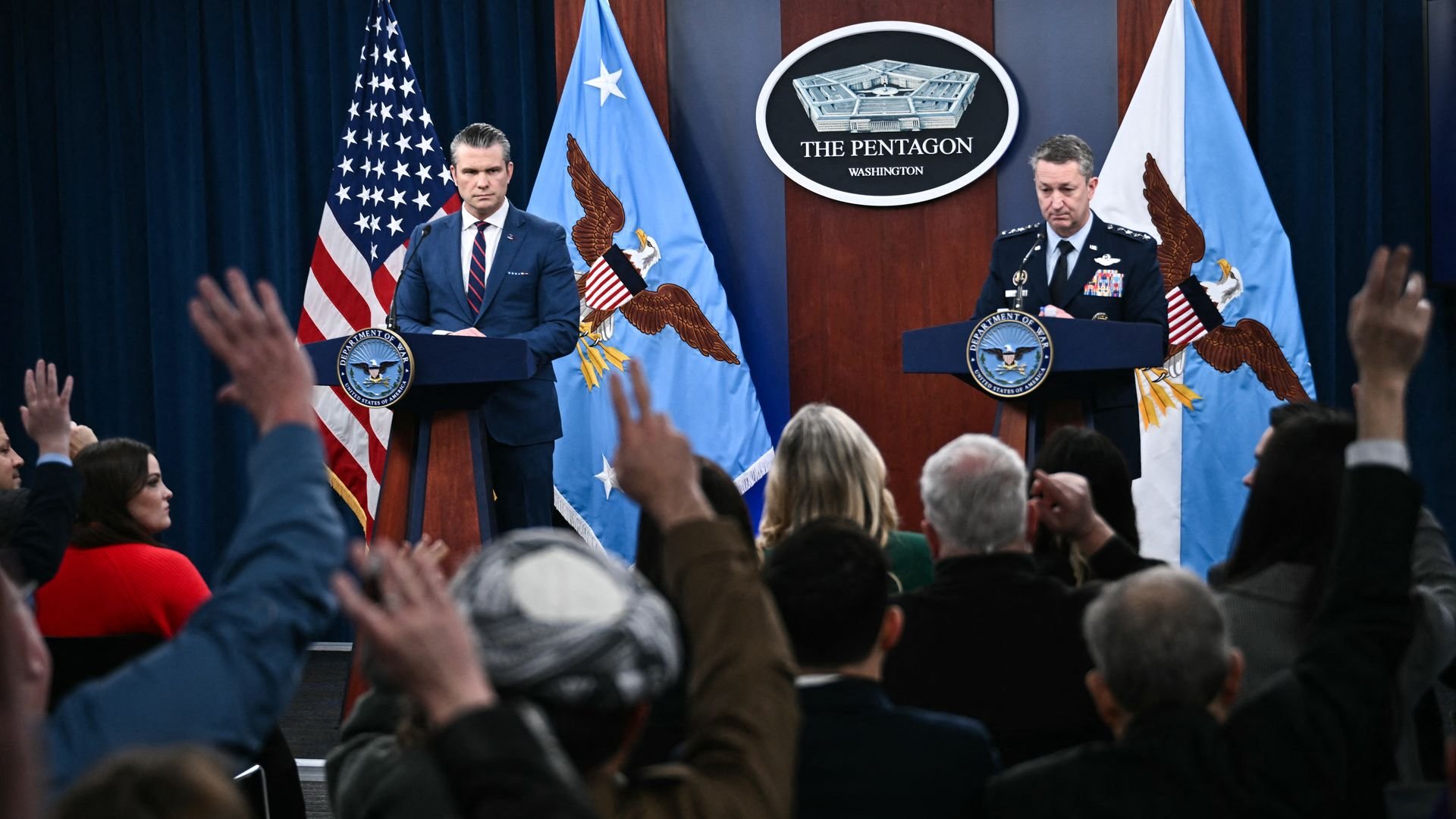
Defense Secretary Pete Hegseth and Joint Chiefs of Staff Chairman Gen. Dan Caine take questions from reporters at the Pentagon.
Bottom Line: The Joint Chiefs Chairman's acknowledgment that achieving objectives in Iran will take "time" suggests the U.S. military is preparing for a potentially extended engagement rather than a quick resolution, with significant implications for regional stability, global markets, and American military commitments.
Comments
Please log in or register to join the discussion