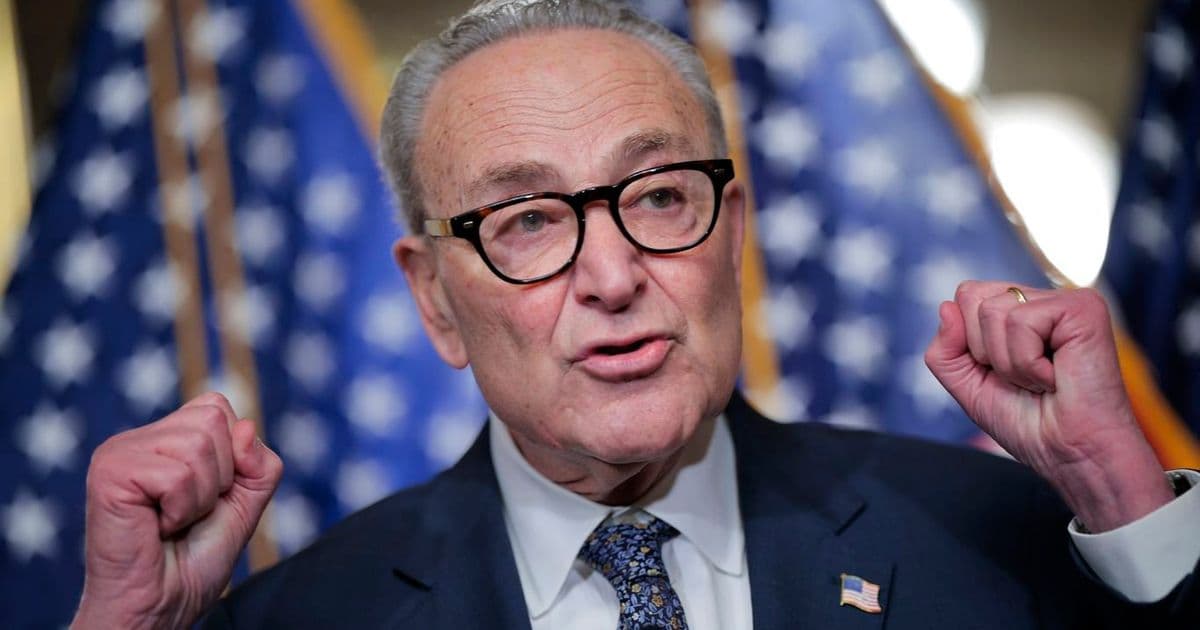
A surprise meeting between President Trump and Senate Minority Leader Charles Schumer at the White House signals potential bipartisan cooperation on key tech and infrastructure legislation, with market implications for semiconductor manufacturing and AI regulation.
The White House confirmed an unscheduled meeting between President Donald Trump and Senate Minority Leader Charles Schumer today, a rare bipartisan engagement that has sent ripples through Washington policy circles and tech industry analysts. The meeting, which lasted over an hour, focused on potential areas of legislative cooperation ahead of the upcoming congressional session.
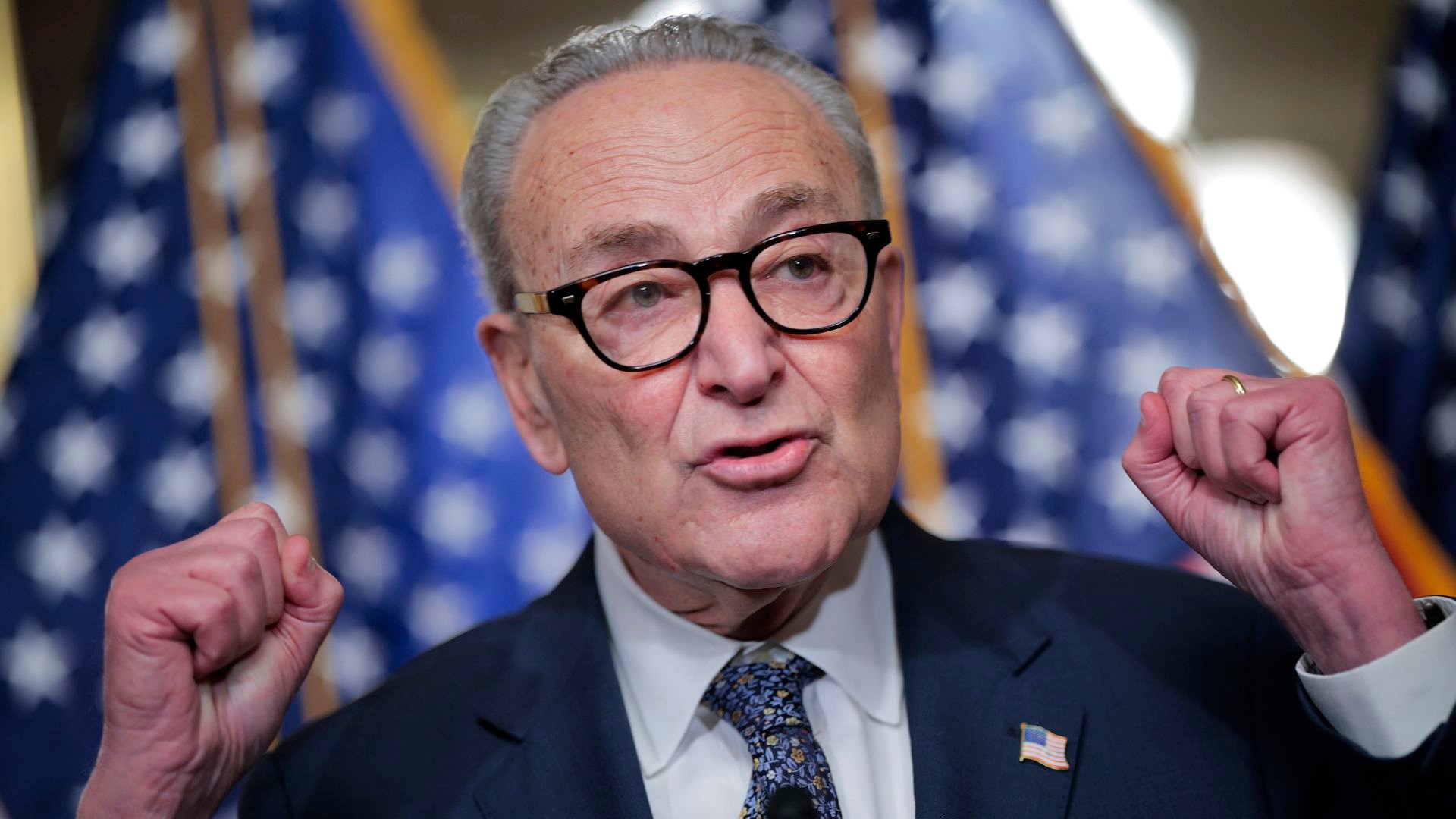
Schumer arrived at the White House unannounced, a departure from the typically choreographed political theater of Washington. The visit comes at a critical juncture for several high-stakes technology policy initiatives that require bipartisan support to advance. Sources familiar with the meeting indicate discussions centered on three primary areas: semiconductor manufacturing incentives, artificial intelligence regulatory frameworks, and infrastructure modernization bills.
The timing is significant. The Senate is preparing to reconvene with a packed agenda that includes reauthorization of the CHIPS Act funding, which provides $52 billion in subsidies for domestic semiconductor production. Trump has previously expressed support for the program, while Schumer has been its chief architect in the Senate. The meeting suggests potential momentum for a multi-year extension that would provide stability for companies like Intel, TSMC, and Samsung investing in U.S. fabs.
Market analysts are watching closely. Semiconductor stocks showed modest movement in after-hours trading, with the Philadelphia Semiconductor Index (SOX) gaining 0.8% as investors priced in the possibility of sustained government support. The CHIPS Act has already spurred over $200 billion in private investment commitments since its passage in 2022, according to the Semiconductor Industry Association. A bipartisan agreement on extension could unlock another wave of capital deployment.
Beyond semiconductors, the discussion reportedly touched on AI regulation. Schumer has been pushing for comprehensive AI legislation through his SAFE Innovation Framework, which proposes guardrails for high-risk AI systems while maintaining U.S. competitiveness. Trump's administration has favored a lighter regulatory touch, emphasizing innovation over restriction. The meeting may have explored middle ground, potentially focusing on specific applications like facial recognition or financial AI rather than broad sector-wide rules.
Infrastructure represents another potential area of convergence. Both leaders have expressed support for modernizing the nation's digital infrastructure, including broadband expansion and 5G deployment. The Bipartisan Infrastructure Law allocated $65 billion for broadband, but implementation has faced delays. A Trump-Schumer agreement could accelerate these projects, benefiting telecom providers and equipment manufacturers.
The political calculus is complex. With the 2026 midterms approaching, both parties are seeking legislative wins. For Republicans, cooperation on popular tech initiatives could appeal to suburban voters and business interests. For Democrats, securing bipartisan support on tech policy provides validation for their regulatory approach. The meeting's surprise nature suggests both sides are testing the waters for broader cooperation.
Industry groups have responded cautiously. The Business Roundtable issued a statement welcoming "any dialogue that advances pro-growth policies," while the Chamber of Commerce emphasized the need for "certainty and stability" in tech regulation. Tech companies themselves are likely monitoring developments but remain publicly neutral, given the polarized political environment.
The implications extend beyond Washington. International allies and competitors are watching U.S. tech policy cohesion. China's continued investment in domestic semiconductor capabilities and AI development makes U.S. policy alignment critical. European regulators, meanwhile, are developing their own AI frameworks, and a disjointed U.S. approach could weaken transatlantic coordination.
For investors, the key metrics to watch will be legislative language in any proposed bills, particularly regarding funding levels, eligibility criteria, and regulatory scope. The CHIPS Act extension could include new provisions for workforce development and supply chain resilience. AI legislation might create new compliance requirements for companies deploying advanced systems.
The meeting itself represents a shift in tone. While Trump and Schumer have clashed publicly on numerous issues, including immigration and healthcare, this engagement suggests both recognize the strategic importance of tech policy. It also reflects Schumer's political calculation that working with Trump may be more productive than opposition, particularly on issues with significant economic impact.
Whether this translates into actual legislation remains uncertain. The House of Representatives, with its narrow Republican majority, presents additional hurdles. Speaker Mike Johnson will need to balance conservative priorities with the potential for bipartisan achievements. The next few weeks will reveal whether this White House visit was a one-off conversation or the beginning of a substantive policy partnership.
For now, the tech industry watches and waits, knowing that stability in Washington often translates to predictability in markets, and predictability is what investors value most.
Comments
Please log in or register to join the discussion