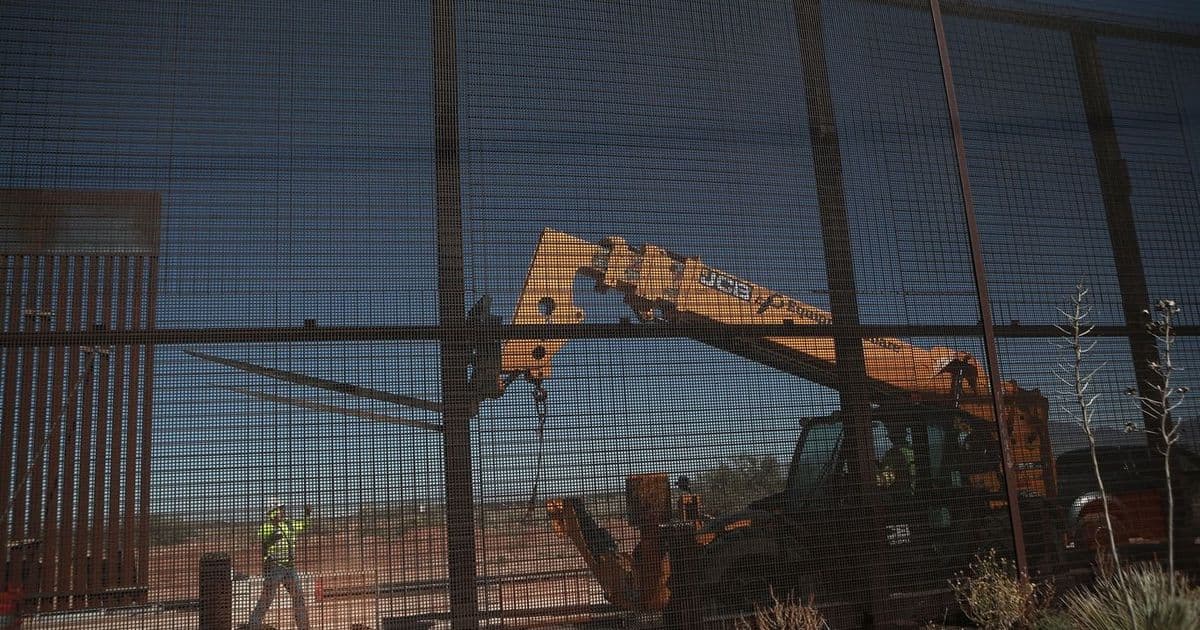
US crews continue building secondary border wall sections in New Mexico as administration pushes to meet construction targets despite budget constraints.
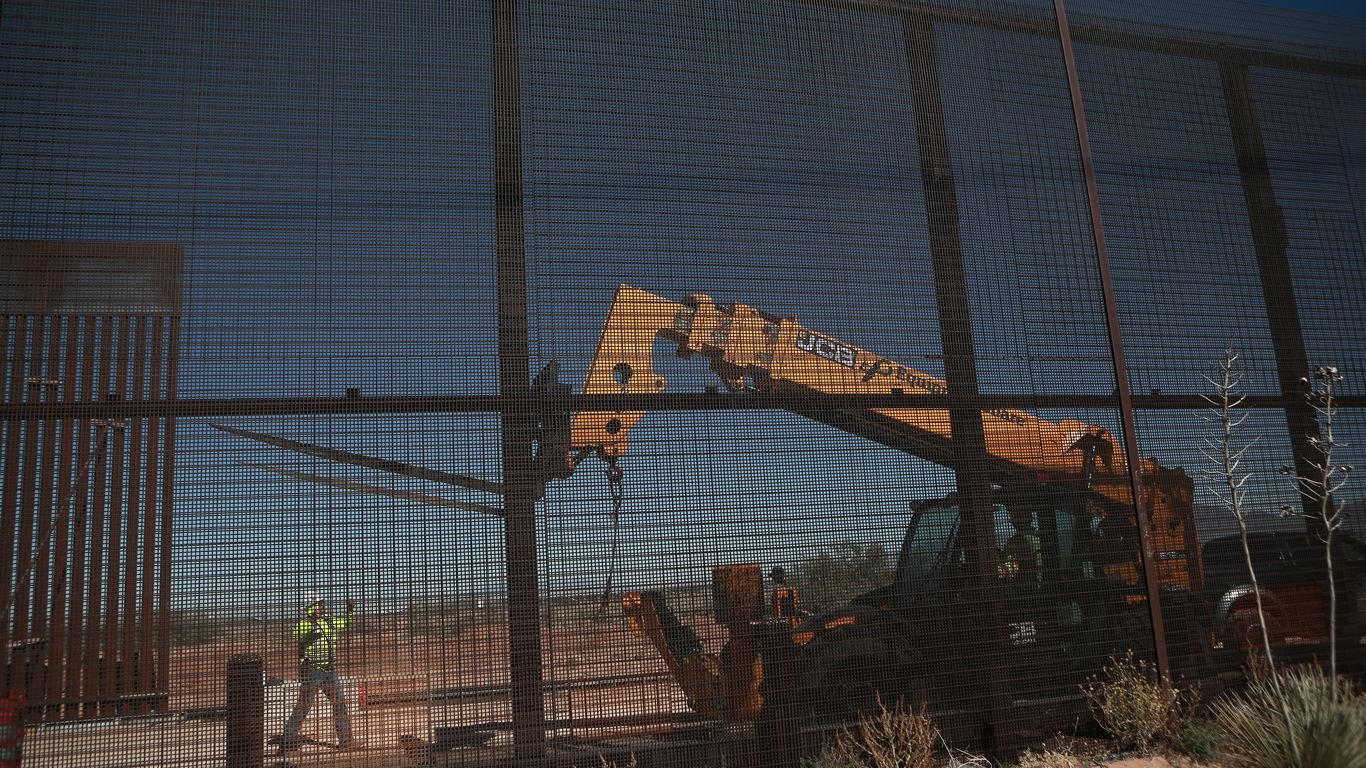
US construction crews are making measurable progress on President Trump's border wall expansion, with work continuing on secondary wall sections in the Santa Teresa Desert of New Mexico. Recent photographs from November 12, 2025, show active construction activity in the region, marking a tangible step forward in the administration's border security agenda.
Construction Progress and Timeline Adjustments The administration has faced significant challenges in meeting original construction timelines, with the project experiencing multiple delays due to funding constraints, legal challenges, and logistical hurdles. However, recent activity suggests a renewed push to accelerate work on existing wall segments.
Sources familiar with the project indicate that while the administration initially promised extensive new wall construction, the focus has shifted to completing secondary barriers and reinforcing existing infrastructure. This approach allows for more efficient use of available resources while still demonstrating progress on the signature campaign promise.
Financial Implications and Budget Considerations The border wall project has become one of the most expensive infrastructure initiatives in recent US history, with costs running into billions of dollars. The administration has had to navigate complex funding mechanisms, including reallocating military construction funds and seeking congressional appropriations.
Recent budget analyses suggest that the cost per mile of new wall construction has increased significantly compared to initial estimates, primarily due to environmental mitigation requirements, land acquisition challenges, and the need for specialized construction techniques in difficult terrain.
Strategic Implications for Border Security Border security experts note that while physical barriers remain an important component of immigration control, the effectiveness of wall construction depends heavily on complementary measures including surveillance technology, personnel deployment, and international cooperation.
The current construction phase appears to prioritize areas with historically high crossing rates, suggesting a data-driven approach to resource allocation. This strategy aims to maximize the impact of limited construction resources while addressing the most critical security vulnerabilities.
Political Context and Public Response The border wall remains a deeply polarizing issue in American politics, with strong opinions on both sides of the debate. Supporters view the construction as essential for national security and immigration control, while critics argue that the resources could be better allocated to other border security measures.
Recent polling indicates that public opinion on the wall has remained relatively stable, with support largely divided along partisan lines. The administration's continued focus on construction suggests a calculation that the political benefits outweigh the financial and logistical challenges.
Looking Ahead: Future Construction Plans While current construction activity demonstrates progress, questions remain about the long-term sustainability of the project. Future phases will likely depend on the outcome of upcoming elections, potential changes in administration priorities, and the evolving nature of border security challenges.
The administration has indicated that construction will continue to focus on strategic locations where physical barriers can provide the most significant security benefits, rather than pursuing an unbroken wall along the entire border.
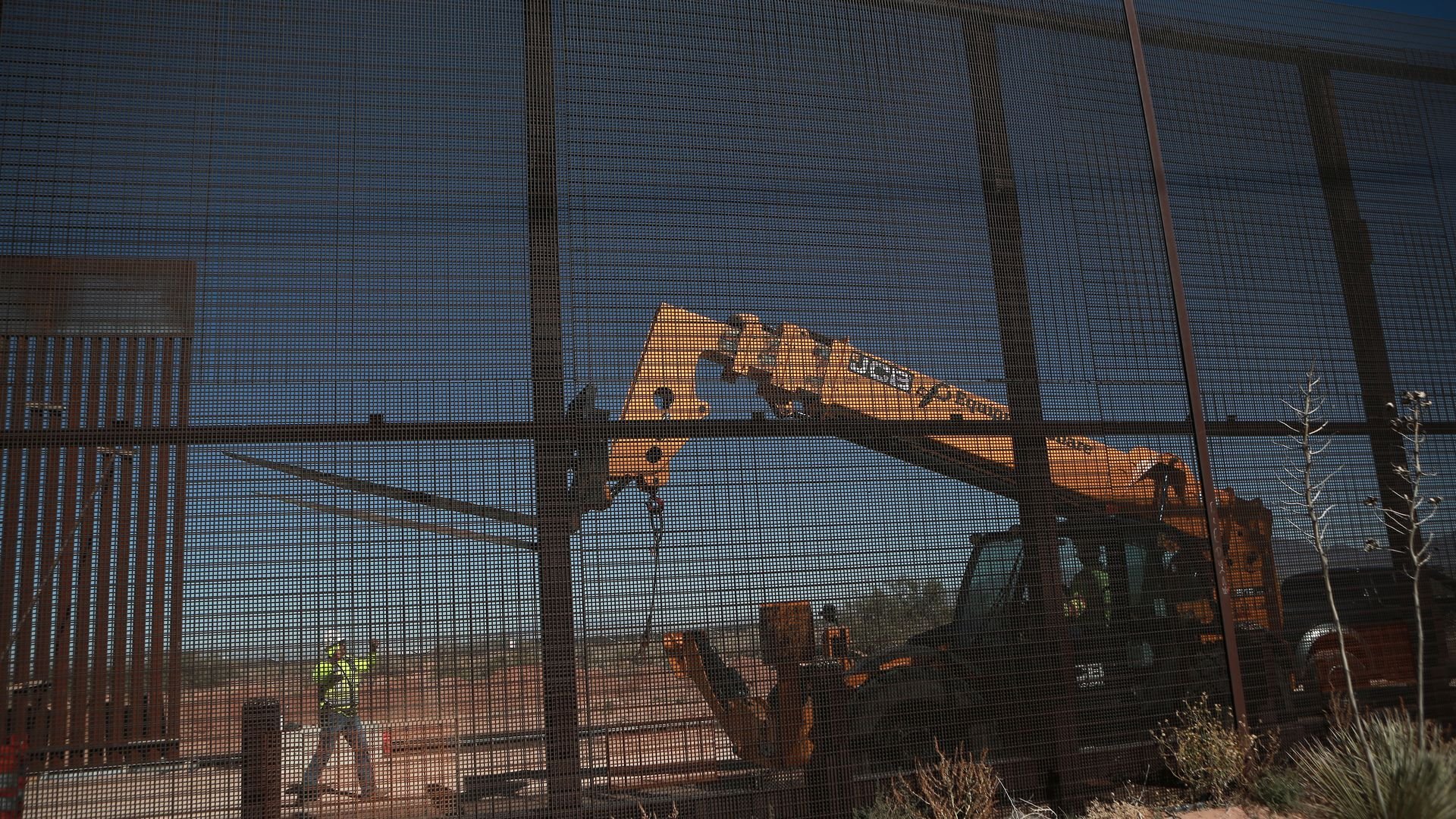
The ongoing construction in the Santa Teresa Desert represents just one segment of a much larger and more complex project that continues to evolve in response to practical constraints and changing security needs.
Comments
Please log in or register to join the discussion