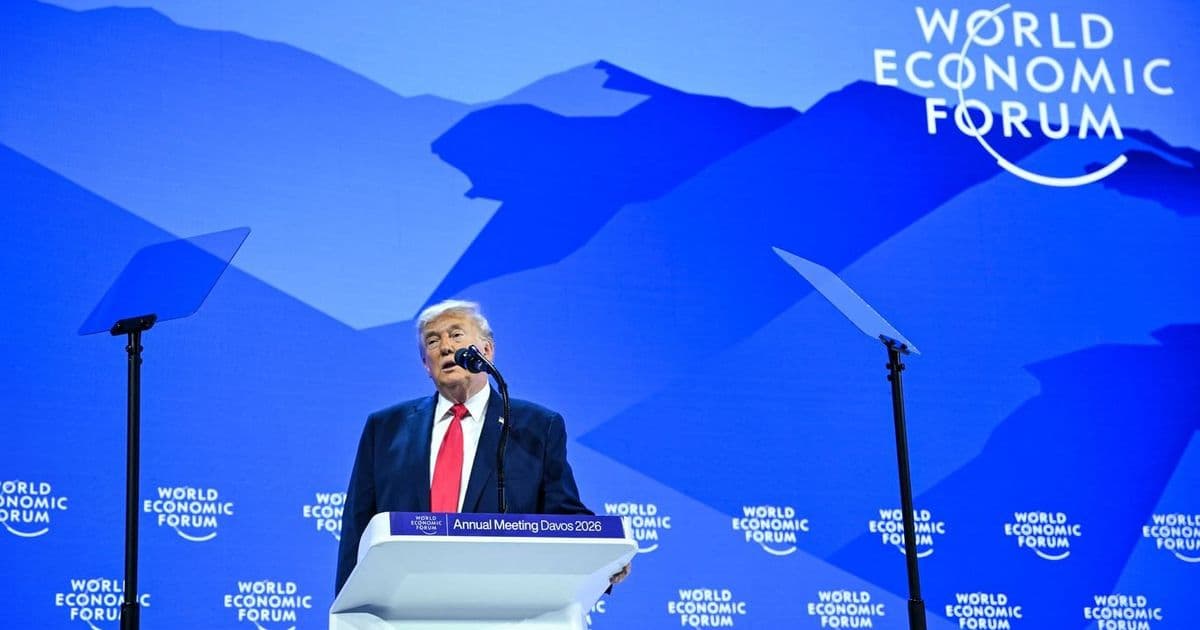
Former President Trump's remarks at the World Economic Forum underscore the complex financial interdependencies between US and Canadian tech sectors, where cross-border investment flows and regulatory alignment shape market strategies.
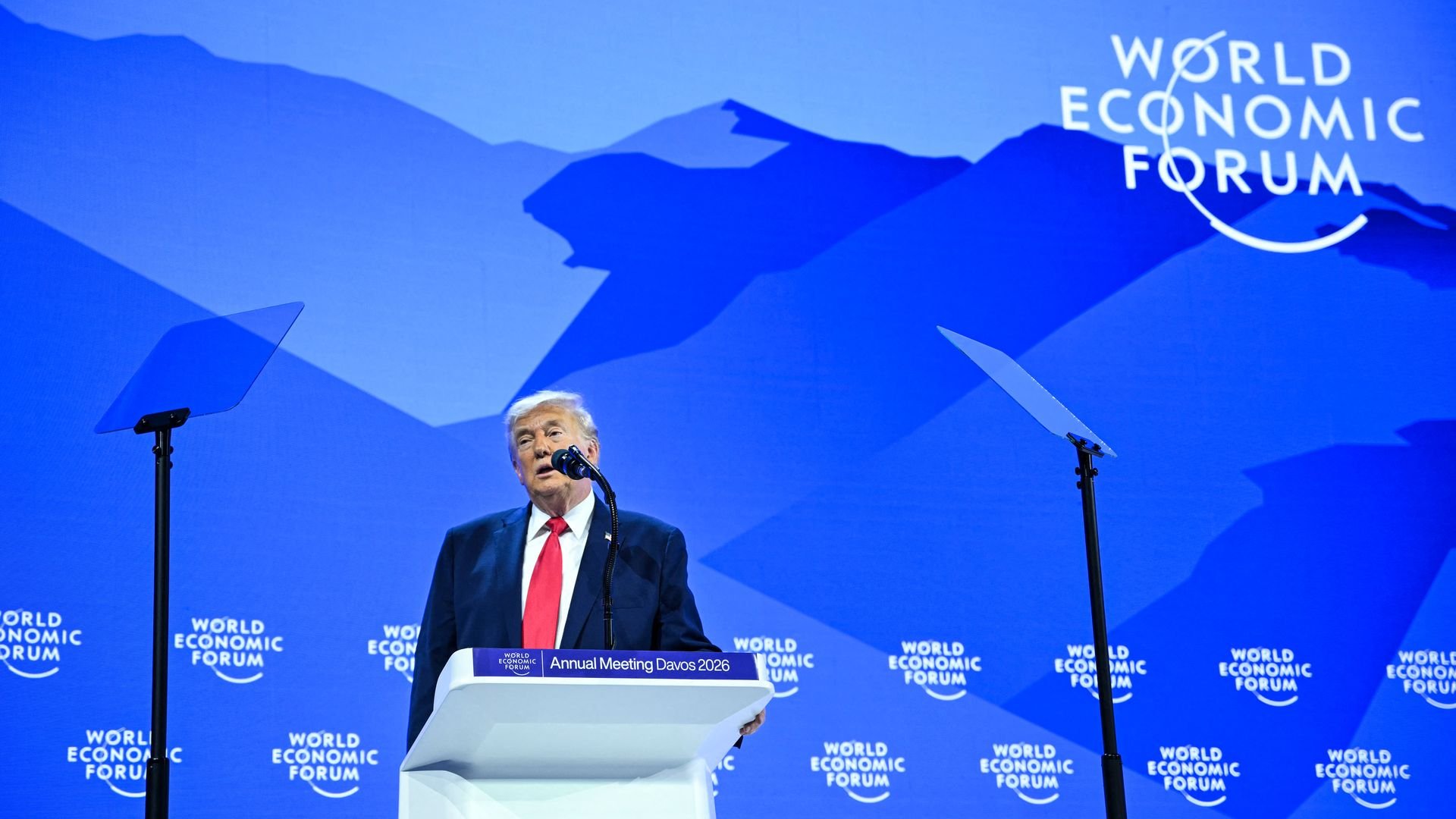
Former President Donald Trump's comments at the World Economic Forum in Davos, where he stated Canada should be "grateful" for US economic support, highlight ongoing tensions in North American tech policy and investment flows. The remarks, delivered during his January 21 address, come as both countries navigate divergent approaches to technology regulation, semiconductor manufacturing, and cross-border data flows.
The US-Canada tech relationship represents a $45 billion annual investment corridor, with Canadian tech firms receiving approximately 60% of their foreign direct investment from US sources according to 2023 Statistics Canada data. This financial dependency creates strategic vulnerabilities for Canadian tech companies, particularly in sectors like artificial intelligence, where Montreal and Toronto have emerged as significant research hubs but remain heavily reliant on US venture capital and corporate partnerships.
Trump's characterization of Canada as dependent on US economic activity reflects broader market realities. The US accounts for 75% of Canadian tech exports, with major Canadian companies like Shopify, OpenText, and Descartes Systems Group deriving the majority of their revenue from US markets. This export dependency has shaped Canadian tech policy, with Ottawa maintaining relatively open investment policies compared to stricter European or Asian markets.
The comments arrive amid ongoing negotiations around the US-Mexico-Canada Agreement (USMCA) technology chapter, which governs digital trade, cross-border data flows, and intellectual property protections. Canadian tech advocates have pushed for stronger data localization provisions, while US tech giants prefer maintaining current open data flow arrangements that benefit their cloud services and platform businesses.
Semiconductor manufacturing represents another critical intersection. The US CHIPS Act has allocated $50 billion for domestic semiconductor production, while Canada's own semiconductor strategy focuses on packaging and testing facilities rather than fabrication. This division of labor creates supply chain dependencies, with Canadian tech manufacturers relying on US semiconductor design and fabrication while contributing specialized packaging expertise.
The financial implications extend to venture capital markets. Canadian tech startups raised $6.2 billion in 2023, with US investors participating in 42% of deals according to CB Insights data. This capital flow creates both opportunities and vulnerabilities, as Canadian companies often face acquisition pressure from US tech giants seeking to expand their engineering talent pools and intellectual property portfolios.
Regulatory divergence adds complexity to the relationship. Canada's proposed Digital Services Tax, aimed at multinational tech companies, has faced US opposition and delayed implementation. Meanwhile, US privacy legislation remains fragmented across states, creating compliance challenges for Canadian tech companies operating across the border.
The semiconductor shortage of 2021-2022 exposed these interdependencies, with Canadian automotive and tech manufacturers facing production delays due to US fab capacity constraints. This experience has accelerated Canadian efforts to develop domestic chip design capabilities, though fabrication remains concentrated in Taiwan, South Korea, and increasingly, the United States.
For Canadian tech companies, Trump's comments underscore the reality that market access and investment flows remain heavily influenced by US policy decisions. The sector's growth strategy increasingly focuses on diversifying export markets and developing domestic capital sources, though these efforts face challenges given the scale and maturity of US tech ecosystems.
The broader implication for tech policy involves balancing national security concerns with economic integration. US restrictions on technology exports to certain countries have created compliance burdens for Canadian companies that maintain global operations, while Canadian data sovereignty requirements complicate US cloud service providers' operations in the Canadian market.
As both countries navigate these complexities, the tech sector's future depends on maintaining cooperative frameworks that allow for cross-border collaboration while addressing legitimate security and economic concerns. The current tensions, highlighted by Trump's Davos remarks, reflect ongoing negotiations that will shape North American tech competitiveness for years to come.
Comments
Please log in or register to join the discussion