
Jensen Huang claims scarcity forces customers to choose premium Nvidia solutions, revealing how AI boom benefits the company while squeezing gamers and other industries.
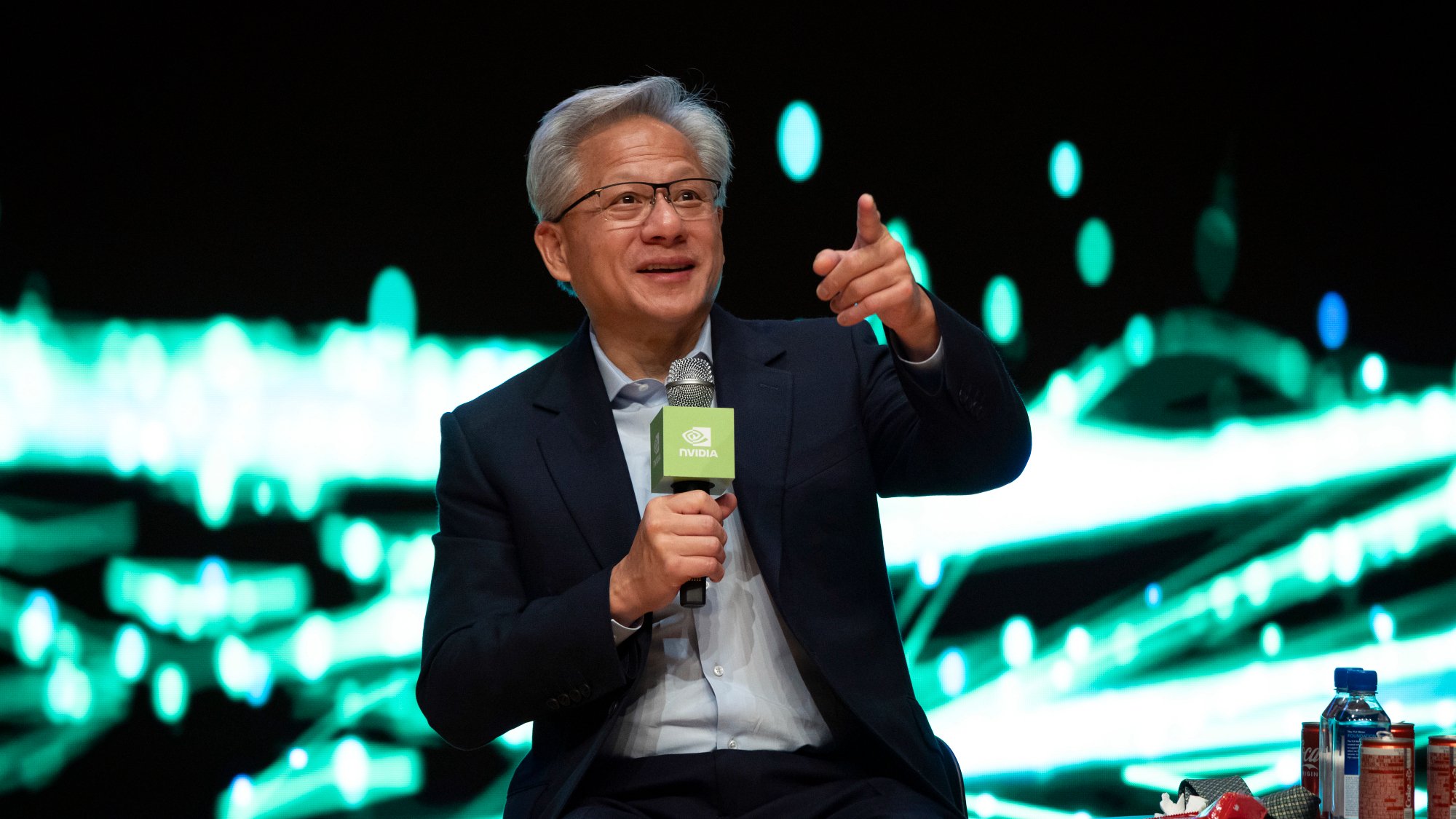
Nvidia CEO Jensen Huang has sparked controversy with his recent comments about component shortages, declaring "I love constraints" and explaining how scarcity benefits his company's AI business. Speaking at a press conference, Huang outlined a perspective that champions the current supply chain bottlenecks as strategic advantages for Nvidia's high-end solutions.
The Scarcity Advantage
Huang's argument centers on a simple economic principle: when resources are limited, customers become risk-averse and default to premium solutions. "I love constraints... because in a world of constraint, you have no choice but to choose the best," he stated, explaining that companies facing limited options will naturally gravitate toward the highest-end hardware rather than experimenting with cheaper alternatives.
The CEO elaborated that AI firms cannot afford to fill their data centers with arbitrary hardware when "land, power, and shell are constrained." His logic suggests that when every component matters and budgets are tight, customers cannot afford to make poor choices. "Because everything is so constrained, if [I] choose poorly, [my] revenues are affected, everything is affected. They can't choose poorly."
Complete Infrastructure Solutions
Nvidia's competitive advantage extends beyond individual GPUs. Huang emphasized that his company can provide entire data center infrastructure, positioning Nvidia as the only provider capable of standing up complete "AI factories." "From the moment you secure the capacity, we're gonna be able to stand up an entire factory for you," he claimed, highlighting the company's comprehensive approach to AI infrastructure.
This vertical integration gives Nvidia significant leverage in negotiations and supply chain management. The company has reportedly secured everything from wafers and packaging to connectors and cables, creating a moat that competitors struggle to match.
Market Impact Beyond AI
While Nvidia celebrates its position, the AI boom's impact on other markets is becoming increasingly apparent. The company's data center business dwarfs its gaming segment, which accounts for only 8-9% of total revenue. This disparity explains why Nvidia appears unconcerned about gaming enthusiasts facing inflated prices for components.
Memory and storage prices have tripled for many consumers, while GPU costs continue climbing. The AI sector's voracious appetite for high-bandwidth memory and specialized components has created a trickle-down effect that squeezes traditional computing markets.
Industry-Wide Effects
The component shortage extends beyond Nvidia's direct customers. Recent reports indicate that AI data centers are consuming the world's memory and storage supply at unprecedented rates. The automotive industry faces particular challenges, with chip scarcity worsening amid the Nexperia and DRAM crisis.
Memory manufacturers like Samsung and SK hynix have shortened contracts as pricing power shifts back to suppliers. Industry analysts project memory makers will earn $551 billion from the AI boom, highlighting the massive financial incentives driving current supply chain dynamics.
Huang's Unapologetic Stance
Perhaps most controversially, Huang expressed enthusiasm about the current market conditions. "I think the fact that everything is scarce is fantastic for us," he stated, acknowledging that while this perspective may seem disconnected from average consumers' experiences, it reflects Nvidia's business reality.
His comments about securing entire production lines underscore this advantage. "If you set up a factory, a plant, a DRAM plant, and I come in and say, 'You know what? Go ahead and set up the DRAM plant because I'm gonna use it,' that goes a long way."
The Broader Context
Nvidia's position highlights a fundamental tension in the technology industry: the conflict between specialized, high-margin AI infrastructure and general-purpose computing needs. While AI represents the future of computing for many applications, traditional uses like gaming, content creation, and everyday productivity still require accessible hardware.
The current situation suggests that until AI demand stabilizes or supply chains expand significantly, consumers in non-AI markets may continue facing premium pricing and limited availability. For Nvidia, this represents not a problem to solve but a competitive advantage to exploit.
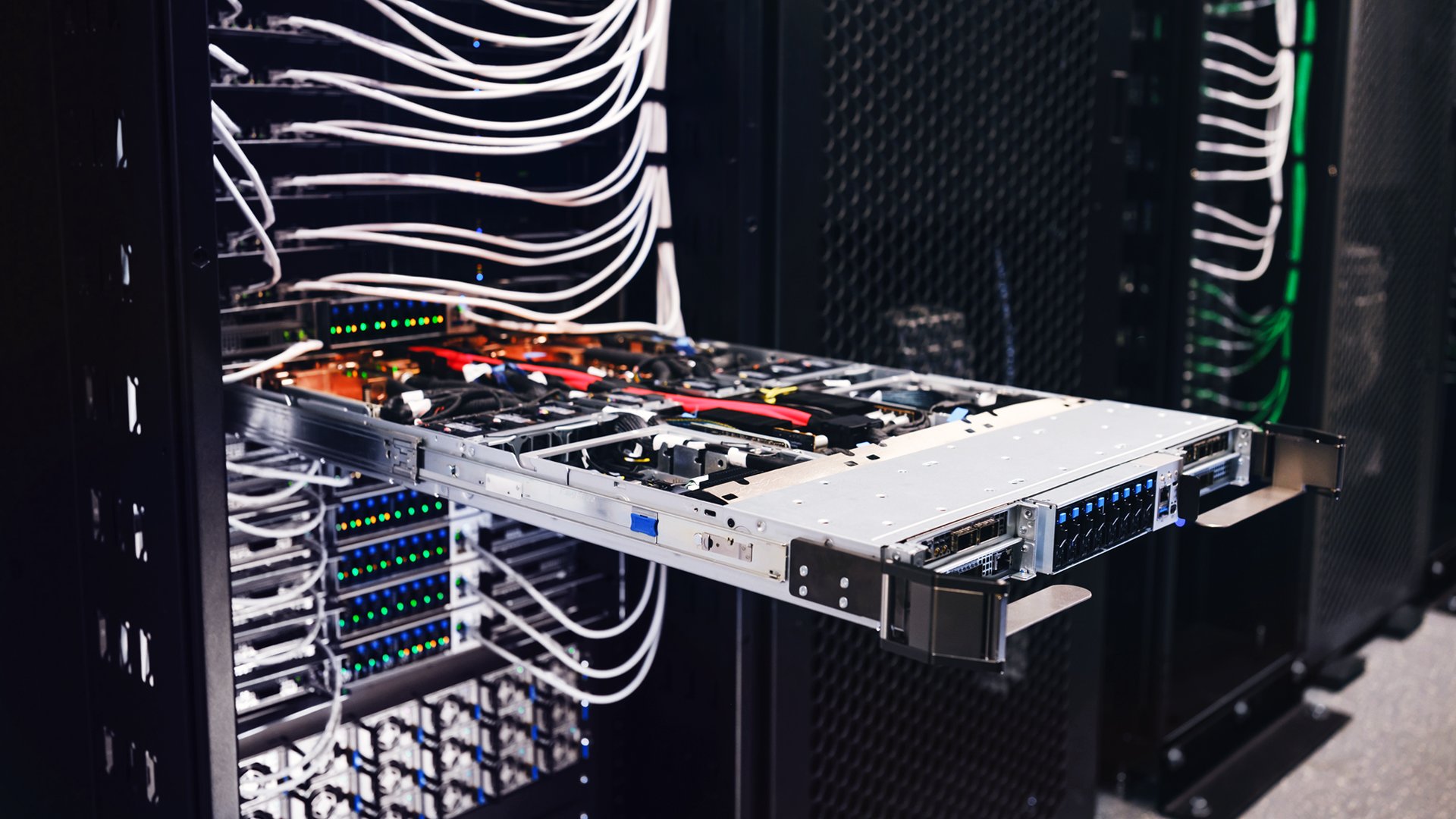
The company's comprehensive control over the supply chain—from "copper to multilayer ceramic capacitors"—positions it uniquely to benefit from continued scarcity while competitors struggle to match its integrated approach to AI infrastructure.
As the AI boom shows no signs of slowing, Nvidia's strategy of embracing constraints while building comprehensive solutions appears increasingly prescient. Whether this benefits the broader technology ecosystem remains a subject of ongoing debate among industry observers and consumers alike.
Comments
Please log in or register to join the discussion