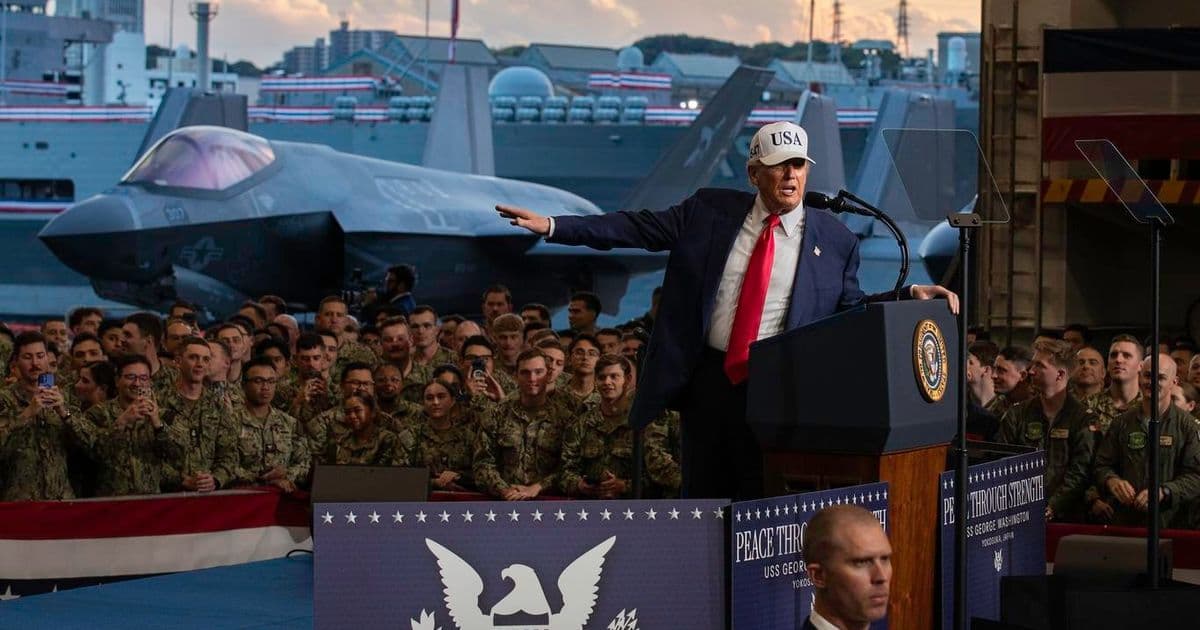
President Trump's recent statements aboard the USS George Washington signal potential changes to both where U.S. forces operate and what weapons they carry, raising questions about defense priorities and procurement strategy.
President Trump's address to sailors aboard the USS George Washington in October 2025 marked more than ceremonial optics—it previewed a potential rethinking of American military posture that could reshape global deployment patterns and weapons acquisition.
The setting itself was symbolic: an aircraft carrier represents forward-deployed power projection, the very capability that defines U.S. global military presence. Trump's choice to speak there, rather than at a stateside base, underscores his administration's focus on naval strength and Pacific operations. Yet the content of his remarks suggests uncertainty about whether that presence will continue in its current form.
Deployment Strategy Under Review
Multiple defense officials confirm the administration is conducting a comprehensive review of U.S. force deployments, with particular focus on European and Asian bases. The review examines both troop numbers and mission parameters, potentially affecting tens of thousands of service members.
In Europe, questions center on the long-term future of the U.S. presence in Germany and Poland. The Pentagon's current posture assumes permanent basing to deter Russian aggression, but budget pressures and political considerations could drive a drawdown. A 30% reduction in European troop levels would save approximately $8 billion annually but would also reduce NATO's rapid response capability.
The Pacific presents a different calculus. Trump has consistently emphasized naval strength, and the USS George Washington's deployment schedule reflects that priority. However, the administration is weighing whether to shift from Japan-based forces to more dispersed locations across the Philippines, Australia, and Guam. This "distributed lethality" concept reduces vulnerability to Chinese missile threats but requires massive infrastructure investment and complicates logistics.
Arms Procurement Questions
The weapons themselves face equal scrutiny. Trump's past criticism of expensive programs like the F-35 suggests the administration may push for more affordable, proven systems over cutting-edge platforms. Defense contractors are already bracing for potential shifts:
F-35 Joint Strike Fighter: The $428 billion program could see reduced orders if Trump favors upgraded F-15EX or F/A-18 Super Hornet variants that cost one-third as much per unit.
Next Generation Air Dominance (NGAD): This sixth-generation fighter program, with its estimated $200+ million per aircraft cost, faces existential questions despite Air Force leadership's support.
Shipbuilding: The Navy's 30-year shipbuilding plan calls for 355 ships, but current procurement rates suggest that goal is unaffordable at $180 billion annually. Trump may prioritize smaller, unmanned vessels over traditional destroyers and carriers.
Technology and Mission Implications
These decisions extend beyond hardware. Where forces deploy determines what training they receive, what alliances they strengthen, and what signals they send to adversaries. A withdrawal from Eastern Europe would reduce NATO's credibility but free resources for Indo-Pacific priorities. Shifting from large, vulnerable bases to smaller, distributed ones changes how the military operates but also requires new doctrine and technology investments.
For the defense industry, uncertainty complicates long-term planning. Companies invest billions in production lines and R&D based on expected demand. A sudden pivot away from legacy platforms could strand investments and force layoffs, while a shift toward unmanned systems would advantage newer entrants over established primes.
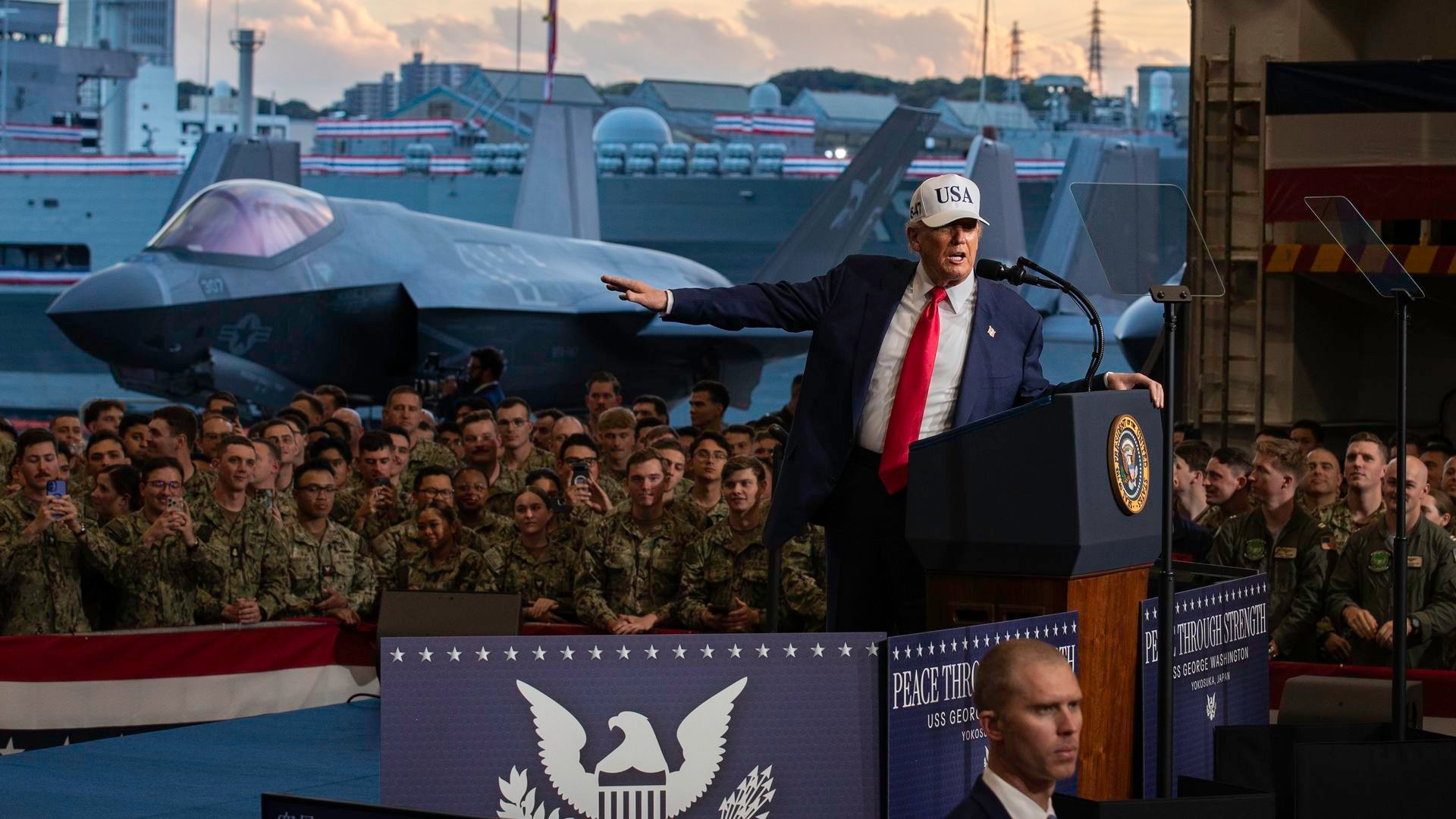
The sailors aboard the USS George Washington will continue their missions regardless of policy debates in Washington. But the strategic environment they operate in—and the tools they use—may look different in the coming years. Trump's challenge to traditional defense assumptions means both the locations of American power and the weapons that back it up remain open questions.
Defense analysts note that any major changes would require congressional approval and take years to implement. The 2026 defense authorization bill, currently under debate, will provide the first concrete test of whether Trump's vision translates into legislative reality.
Comments
Please log in or register to join the discussion