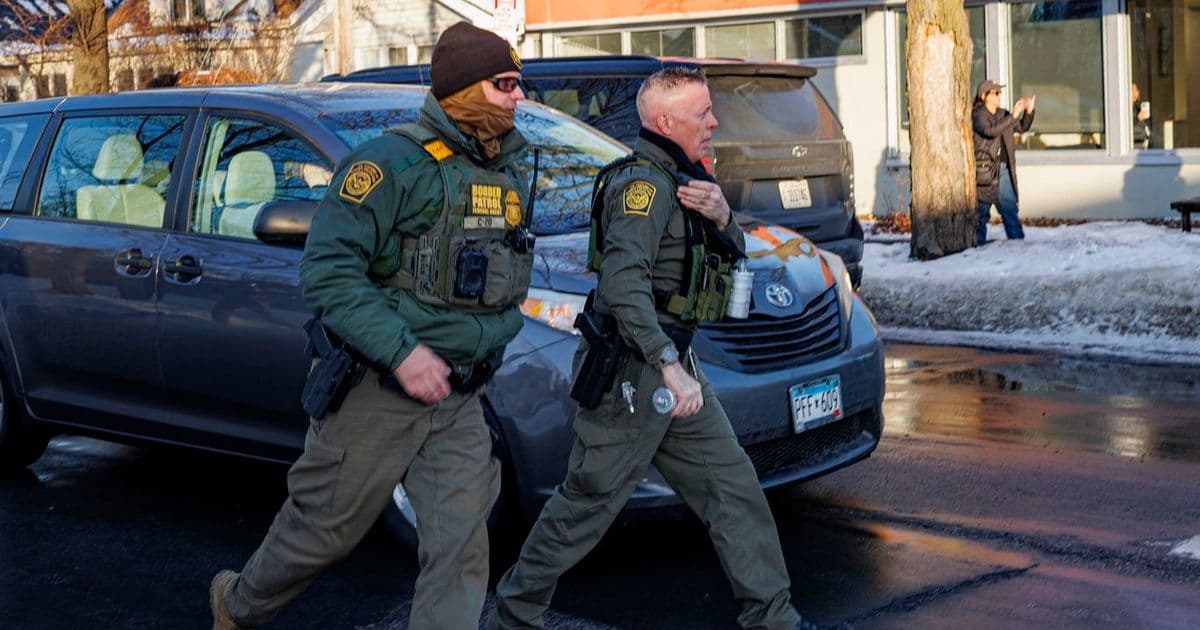
The Trump administration's expansion of Border Patrol's 'roving patrols' into interior U.S. cities represents a significant shift in immigration enforcement strategy, with implications for civil liberties, local law enforcement cooperation, and the operational capacity of federal agencies.
The Trump administration is deploying Border Patrol agents in what officials call 'roving patrols' to conduct immigration enforcement operations in cities far from the southern border, including Minneapolis, Chicago, and other major metropolitan areas. This strategy marks a departure from traditional border-focused enforcement and represents a substantial expansion of federal immigration authority into domestic jurisdictions.
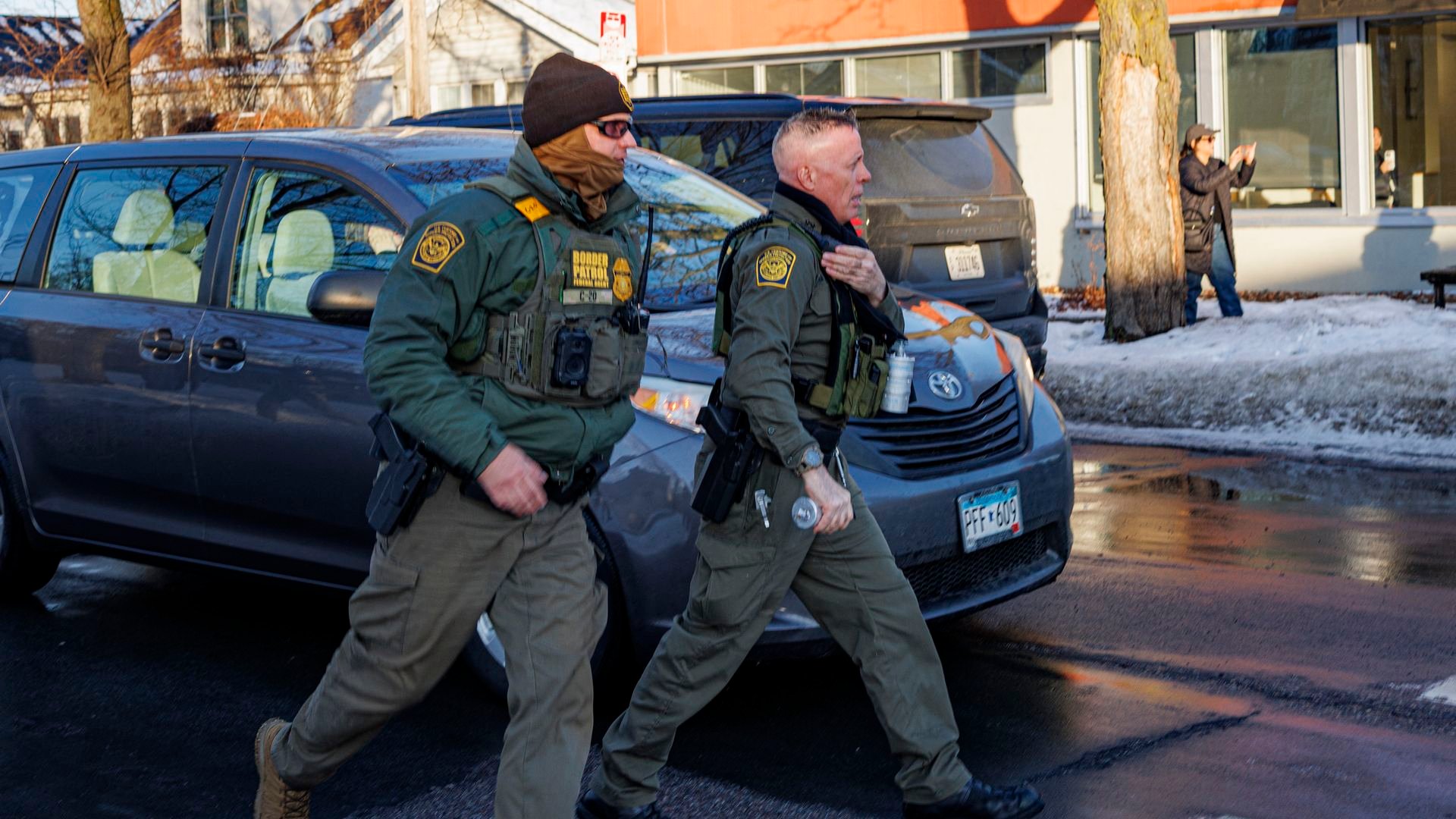
Border Patrol Commander Gregory Bovino was photographed in Minneapolis on January 7, illustrating the agency's increased presence in interior locations. These operations typically involve agents in vehicles or on foot conducting stops and checks based on immigration status, often without the coordination previously required with local law enforcement agencies. The approach has drawn criticism from civil liberties organizations and local officials who argue it creates a climate of fear and undermines community trust in law enforcement.
The operational framework for these patrols relies on a broad interpretation of Border Patrol's jurisdictional authority. Under current law, Border Patrol agents have the authority to operate within 100 miles of any international border or coastline, which covers approximately two-thirds of the U.S. population. The administration has further expanded this authority by designating certain interior locations as 'border sectors' for enforcement purposes, effectively extending the 100-mile zone concept to cities like Minneapolis, which is over 300 miles from the nearest international border.
This expansion carries significant financial and resource implications. Border Patrol's budget has grown from $3.6 billion in 2017 to over $4.5 billion in 2024, with a substantial portion now allocated to interior operations. The agency has approximately 20,000 agents, and interior deployments reduce the available workforce for border security missions. Congressional oversight committees have raised questions about whether this represents an efficient use of resources, particularly when local law enforcement agencies in the same jurisdictions have reported decreases in cooperation from immigrant communities.
From a strategic perspective, the administration frames these patrols as necessary to enforce immigration laws uniformly across the country and to address what they characterize as sanctuary city policies that limit cooperation with federal authorities. Supporters argue that consistent enforcement is essential for maintaining the rule of law and deterring illegal immigration. Critics, including the American Civil Liberties Union, contend that these operations often target individuals based on racial profiling rather than reasonable suspicion of immigration violations.
The legal framework governing these operations stems from the Immigration and Nationality Act, which grants Border Patrol authority to enforce immigration laws within the United States. However, the Supreme Court has established limitations on warrantless stops and searches, requiring reasonable suspicion for immigration-related detentions. Civil liberties organizations have documented numerous cases where individuals were stopped without clear justification, leading to lawsuits and settlements.
Local law enforcement agencies have responded variably to these federal operations. Some jurisdictions, particularly those with 'sanctuary' policies, have limited cooperation with ICE and Border Patrol, creating operational challenges for federal agents. Other areas have welcomed the additional federal presence, particularly in communities experiencing specific public safety concerns. This patchwork response creates inconsistency in enforcement patterns and raises questions about the uniform application of immigration laws.
The political implications extend beyond immigration policy. The expansion of interior enforcement has become a focal point in debates about federalism, states' rights, and the appropriate balance between federal and local law enforcement authority. It has also influenced electoral politics in immigrant-heavy districts, where candidates' positions on immigration enforcement can significantly impact voter turnout and election outcomes.
Looking ahead, the sustainability of this approach depends on several factors: continued congressional funding, judicial rulings on the scope of Border Patrol's authority, and the administration's ability to maintain operational capacity without compromising border security. The long-term impact on immigrant communities, local economies, and community-police relations will likely shape the policy debate for years to come.
For further reading on the legal framework and operational details, the Department of Homeland Security's Border Patrol website provides official information on agency authority and operations. The American Civil Liberties Union maintains extensive documentation of civil liberties concerns related to immigration enforcement.
Comments
Please log in or register to join the discussion