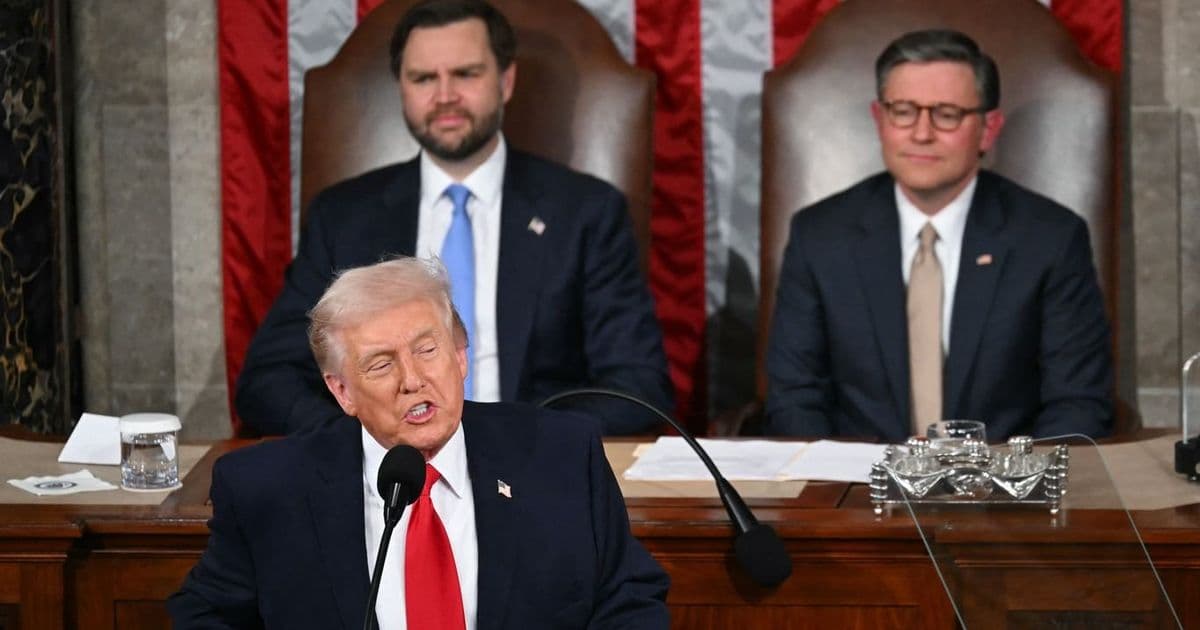
President Trump highlighted his administration's drug pricing initiatives during the 2026 State of the Union, emphasizing the TrumpRx program and claiming significant cost reductions for Americans.
President Trump delivered his 2026 State of the Union address on Tuesday evening, using the platform to tout his administration's efforts to reduce prescription drug prices through the newly launched TrumpRx program. The president claimed that his policies have led to substantial cost reductions for Americans, though healthcare analysts note that many consumers may not yet feel the impact of these changes.
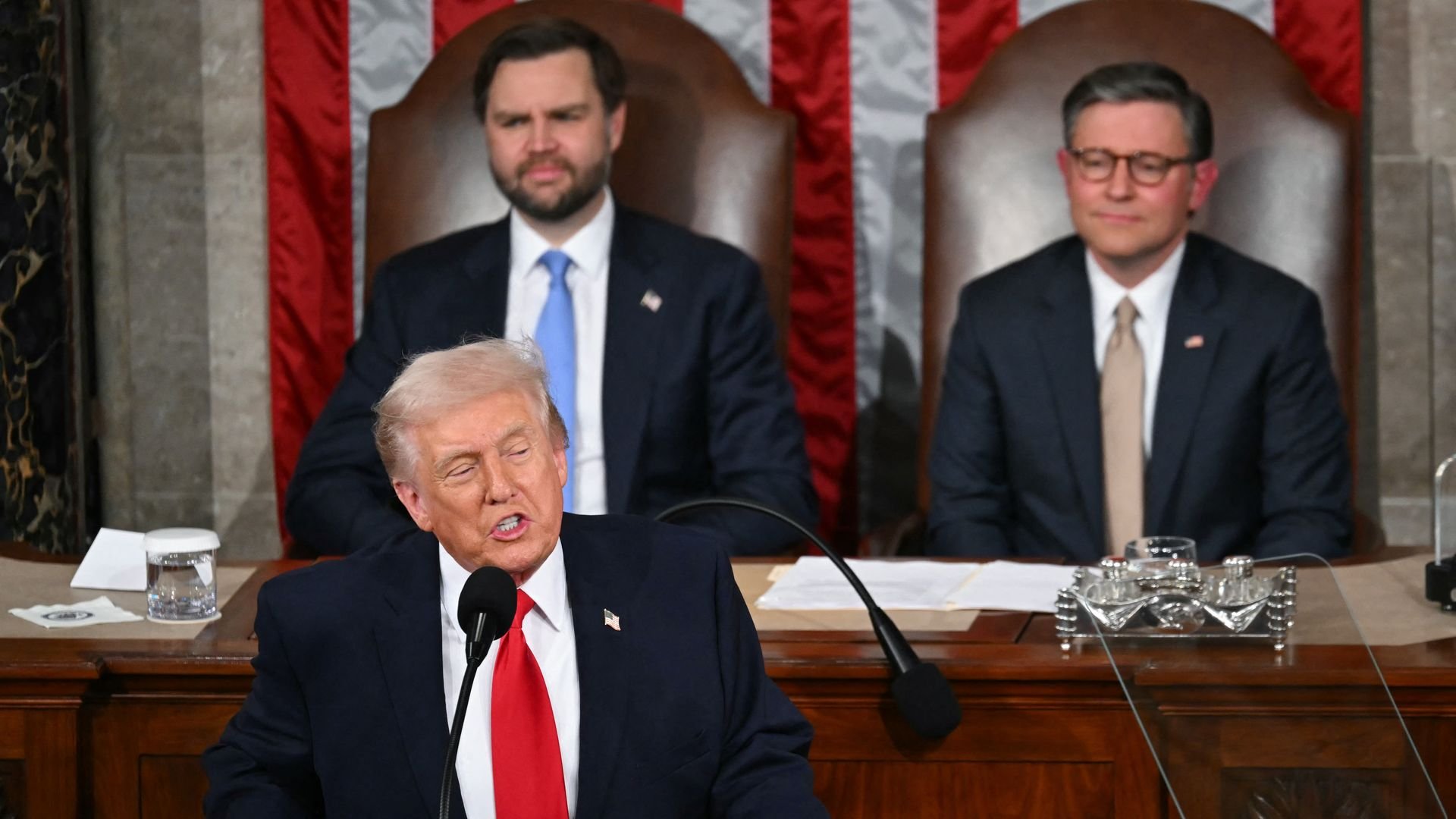
During the address, Trump emphasized that his administration has taken aggressive action to lower drug prices, citing specific examples of medications where costs have decreased. He positioned TrumpRx as a cornerstone achievement of his healthcare policy, describing it as a comprehensive approach to making prescription drugs more affordable for American families.
The president's claims about drug price reductions come amid ongoing debates about the effectiveness of federal interventions in pharmaceutical pricing. While some medications have seen price decreases under recent policy changes, healthcare economists point out that the overall impact on consumer costs remains limited, with many Americans continuing to face high out-of-pocket expenses for essential medications.
Trump's focus on drug pricing during the State of the Union reflects the issue's prominence in American politics, where healthcare costs consistently rank among voters' top concerns. The administration has faced both praise and criticism for its approach to pharmaceutical regulation, with supporters crediting recent initiatives for creating downward pressure on drug prices, while critics argue that more fundamental reforms are needed to address systemic cost issues.
The TrumpRx program, which the president highlighted extensively during his address, represents a multi-faceted approach to drug pricing that includes measures to increase competition among manufacturers, negotiate prices for certain medications, and streamline approval processes for generic alternatives. Administration officials claim these efforts have already begun yielding results, though independent analyses suggest the full impact may take years to materialize.
Healthcare policy experts note that while the administration has implemented several measures aimed at reducing drug costs, the complex nature of pharmaceutical pricing means that meaningful price reductions often require sustained policy efforts over extended periods. The disconnect between presidential claims of success and the lived experiences of many Americans struggling with prescription costs remains a significant challenge for the administration's messaging on this issue.
As the 2026 election cycle approaches, Trump's emphasis on drug pricing and the TrumpRx program appears calculated to appeal to voters concerned about healthcare affordability. The administration's ability to demonstrate tangible benefits from these policies could prove crucial in shaping public perception of its healthcare record and influencing voter priorities in the upcoming election.
The State of the Union address thus served as both a progress report on the administration's drug pricing initiatives and a preview of how healthcare costs will likely feature in the political discourse leading up to the next election. With prescription drug prices remaining a top concern for many Americans, the success or failure of programs like TrumpRx could have significant implications for both public health outcomes and political fortunes.
Comments
Please log in or register to join the discussion