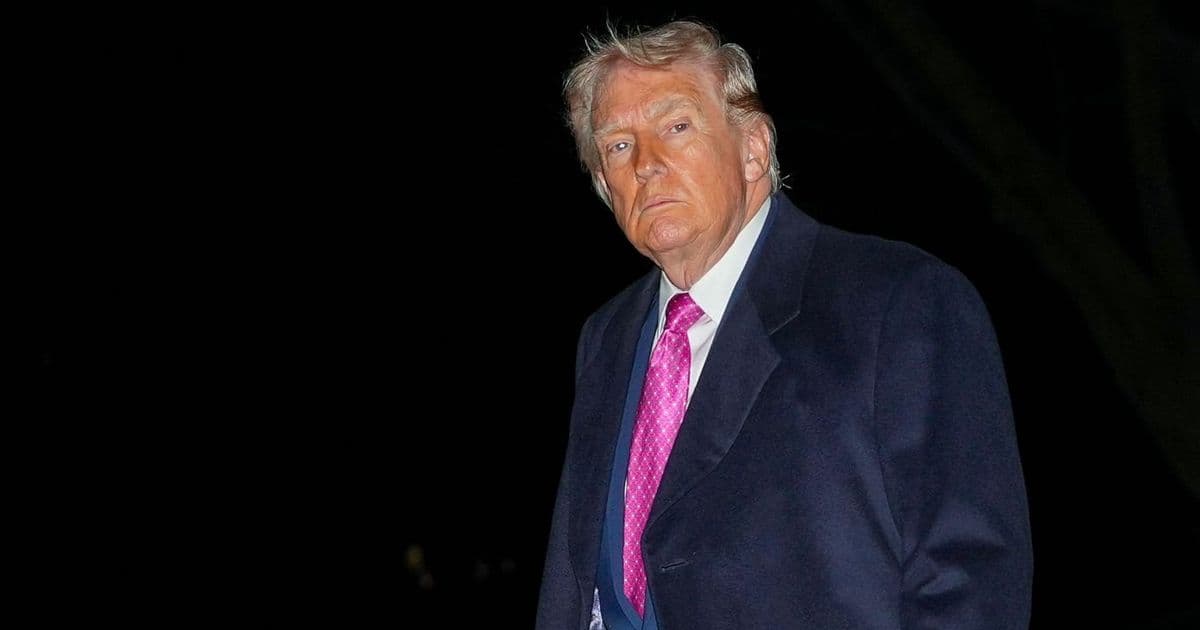
President Trump's warning to destroy Iran's energy and water systems marks a dramatic escalation in US-Iran tensions, raising concerns about regional stability and global energy markets.
President Trump has issued a stark warning to Iran, threatening to "obliterate" the country's energy and water infrastructure in response to what he described as continued hostile actions. The threat, made during a White House press conference, represents one of the most severe escalations in the long-standing tensions between the two nations.
Context of the Threat
The warning comes amid heightened tensions in the Middle East, with recent incidents including:
- Increased attacks on US military bases in Iraq and Syria
- Iranian-backed Houthi rebels targeting shipping in the Red Sea
- Ongoing nuclear negotiations at a standstill
- Regional proxy conflicts intensifying
Trump's statement specifically mentioned targeting Iran's oil production facilities, power plants, and water treatment systems. Such infrastructure attacks would have devastating humanitarian consequences, potentially affecting millions of civilians.
Strategic Implications
Economic Impact
Iran's energy sector represents approximately 80% of the country's export revenues. The nation produces roughly 3.5 million barrels of oil per day, with major facilities concentrated in Khuzestan province and offshore in the Persian Gulf. A targeted strike on these facilities would:
- Remove 3-4% of global oil supply from markets
- Potentially drive oil prices up by $10-20 per barrel
- Create significant supply chain disruptions
- Impact European and Asian economies dependent on Iranian oil
Regional Security
The threat has already triggered responses from Iran's allies:
- Hezbollah has placed forces on high alert in Lebanon
- The Iraqi government has warned of potential civil unrest
- Gulf states have increased security at their oil facilities
- Israel has placed its missile defense systems at maximum readiness
International Response
World leaders have expressed concern about the potential for catastrophic escalation:
European Union: Foreign Policy Chief Josep Borrell called for "maximum restraint" and warned that attacks on civilian infrastructure would constitute war crimes under international law.
China: Beijing, a major purchaser of Iranian oil, urged both sides to return to negotiations and avoid actions that could destabilize global energy markets.
Russia: Moscow warned that such threats violate international law and could lead to unpredictable consequences for regional security.
Historical Precedent
This threat echoes the 2003 invasion of Iraq, where infrastructure targeting was part of the initial military strategy. However, Iran's military capabilities and regional influence far exceed those of Iraq in 2003:
- Iran possesses sophisticated air defense systems
- The country has developed asymmetric warfare capabilities
- Iranian proxies are positioned throughout the region
- The nation has invested heavily in underground facilities
What Happens Next
The international community is watching closely for several key developments:
- Military movements: Satellite imagery shows increased US naval presence in the Persian Gulf
- Diplomatic channels: Back-channel communications between Washington and Tehran remain active
- Allied consultations: NATO allies are holding emergency meetings to coordinate responses
- Market reactions: Oil futures have already risen 3% in Asian trading
Expert Analysis
Military analysts suggest that while Trump's threat represents maximum pressure tactics, actual implementation would face significant obstacles:
- Civilian casualties would be substantial and internationally condemned
- Iran could retaliate through multiple channels including cyber attacks
- The US lacks regional support for such aggressive action
- Long-term consequences for Middle East stability would be severe
Energy market experts note that even the threat of such action has immediate economic implications, with traders factoring in potential supply disruptions and insurance costs for Gulf shipping.
Conclusion
Trump's threat to "obliterate" Iranian infrastructure marks a dangerous escalation in US-Iran relations. While the statement may be intended as a negotiating tactic, the potential for miscalculation and unintended consequences remains high. The coming days will be critical in determining whether diplomatic solutions can be found or whether the region moves closer to conflict.
The international community faces a delicate balance between deterring Iranian aggression and avoiding actions that could trigger a wider regional war with global economic implications.
Comments
Please log in or register to join the discussion