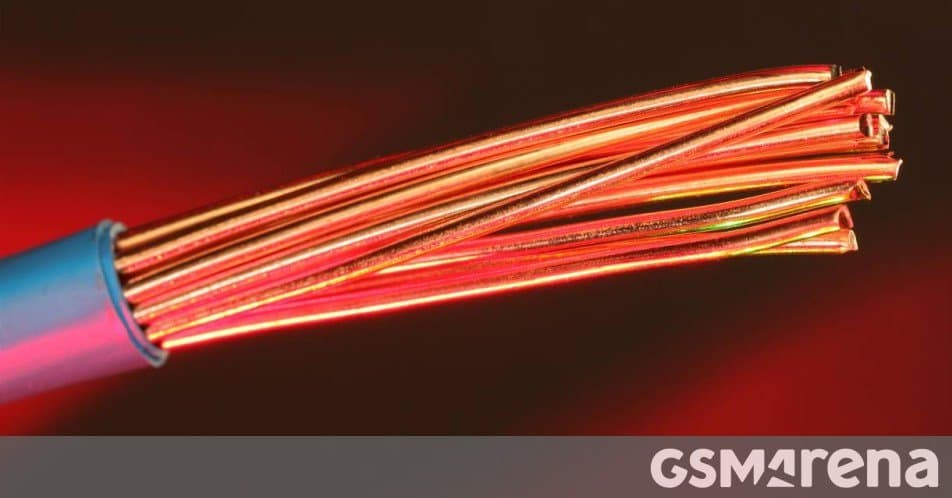
AT&T, T-Mobile, and Verizon are banding together after copper cable theft and fiber vandalism hit a record 18,327 incidents, knocking out connectivity for nearly 12 million people and fueling a push toward theft-resistant fiber.
America's three largest carriers have a common enemy, and it isn't each other for once. AT&T, T-Mobile, and Verizon have all joined a coordinated effort called the STRIKE initiative to fight back against a surge in copper cable theft and fiber vandalism that has been knocking homes, hospitals, and schools offline across the country.
The push follows an alarming report from the Internet & Television Association, which documented 18,327 incidents of theft and vandalism targeting the physical wires that carry Internet connectivity to people's homes. The scale is hard to overstate. Those incidents affected nearly 12 million people. Broken down, that works out to roughly 1,527 incidents per month, or about 50 every single day. And the trend line is pointing the wrong way, with a 59% jump since 2024. You can read the full ITA report here (PDF).
What STRIKE actually does
STRIKE stands for Strategic Threat Response & Infrastructure Knowledge Exchange. Behind the heavy acronym is a fairly practical goal: get service providers sharing information and coordinating their defenses instead of each fighting the problem in isolation. When one carrier identifies a pattern of attacks in a region, or a buyer fencing stolen metal, that intelligence can help the others protect their own lines and equipment.
The coordination matters because the networks themselves overlap and interconnect. An outage on one provider's backhaul can ripple outward, and the criminals targeting copper don't particularly care whose logo is on the junction box.
Why thieves are cutting the cables
The motivation splits into two categories. Copper wiring is stolen for the straightforward reason that copper is a valuable metal that can be resold quickly for cash. That's an old problem that scales up whenever metal prices climb.
Fiber optic cable is a stranger case. Fiber has essentially no scrap value, yet it still gets cut. These incidents look more like vandalism than theft, and they can be just as damaging to the people who depend on the connection. Industry leaders are now pushing to have deliberate cable cutting classified as acts of terrorism rather than simple vandalism, pointing out that severed lines can cut off hospitals, schools, and emergency services like 911. When a fiber cut takes down a region's ability to call for help, the stakes move well beyond a service interruption.
The aging copper problem underneath it all
Part of what makes this so disruptive is the state of the infrastructure being attacked. A lot of the copper-based network was laid down years ago, and maintenance on those older cables and equipment has not always kept pace. Aging hardware is more fragile and slower to repair, so an attack on a neglected stretch of copper can cause an outsized outage.
The combination of rising theft and deteriorating copper is accelerating a shift that was already underway. Carriers are increasingly motivated to rip out old copper and replace it with fiber. The reasoning is twofold. Fiber carries no resale value, which removes the financial incentive for theft entirely. And fiber delivers far higher Internet speeds than the copper it replaces, so the upgrade pays off for customers regardless of the security angle.
That doesn't make fiber immune, as the vandalism numbers show, but it does eliminate the metal-for-cash motive that drives most of the activity. For carriers weighing the cost of modernizing their networks, a wave of expensive theft incidents adds one more reason to move faster. The STRIKE initiative is the short-term coordination layer, while the long-term answer for the carriers appears to be getting copper out of the ground for good.
Comments
Please log in or register to join the discussion