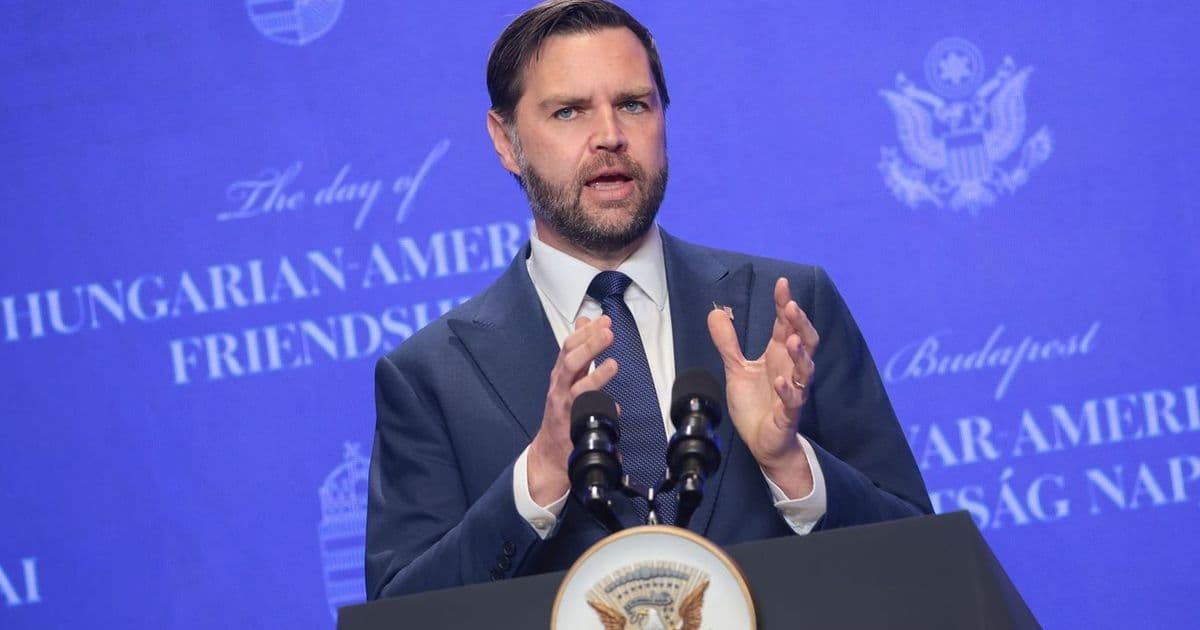
Vice President JD Vance will lead the U.S. delegation at peace talks with Iran in Islamabad this Saturday, marking a significant diplomatic engagement amid ongoing tensions.
Vice President JD Vance will lead the U.S. delegation at peace talks with Iran in Islamabad this Saturday, marking a significant diplomatic engagement amid ongoing tensions.
Background and Context
The upcoming talks in Pakistan's capital represent a notable shift in U.S. diplomatic strategy toward Iran. While specific details about the agenda remain limited, the choice of Islamabad as the venue suggests Pakistan's role as a potential mediator between the two nations, given its historical relationships with both countries.
Diplomatic Significance
This marks one of the highest-level U.S. diplomatic engagements with Iran in recent years. The involvement of the Vice President underscores the administration's commitment to pursuing diplomatic channels, even as tensions have remained high over Iran's nuclear program and regional activities.
Regional Implications
The timing of these talks comes at a critical juncture for Middle East stability. With ongoing conflicts in the region and concerns about nuclear proliferation, direct dialogue between the U.S. and Iran could have far-reaching implications for regional security dynamics.
What to Expect
While the specific agenda remains undisclosed, typical topics in U.S.-Iran discussions include:
- Nuclear program limitations
- Regional security arrangements
- Economic sanctions and trade
- Prisoner exchanges
- Regional proxy conflicts
The choice of Pakistan as host country may facilitate more productive discussions, as Islamabad has historically maintained relationships with both Tehran and Washington.
Historical Context
U.S.-Iran relations have been strained since the 1979 Islamic Revolution, with periods of both confrontation and attempted diplomacy. Previous administrations have pursued various approaches, from the Obama-era nuclear deal to the Trump administration's "maximum pressure" campaign.
International Response
While official reactions from other nations are still forthcoming, regional powers like Saudi Arabia, Israel, and the UAE will likely be monitoring these talks closely, given their own security concerns and relationships with both the U.S. and Iran.
Next Steps
The outcome of Saturday's talks could set the tone for future diplomatic engagements between the two nations. Success could open pathways for broader negotiations, while failure might lead to increased tensions and potential escalation of existing conflicts.
The international community will be watching closely as Vice President Vance leads this high-stakes diplomatic mission, which could have significant implications for global security and regional stability.
Comments
Please log in or register to join the discussion