Vivo's flagship smartphone strategy is shifting internationally, with new evidence suggesting the X300 Ultra will receive a global launch—something its predecessor never got. The device has been certified by both the Eurasian Economic Commission and Indonesia's TKDN, pointing to a wider availability beyond China.
Vivo's smartphone strategy has undergone a noticeable shift in recent years. For a long time, the company's most powerful flagships were China-exclusive, leaving international markets with mid-range options. The Vivo X200 Ultra, for instance, never saw a release outside its home country, a stark contrast to competitors like Samsung and Apple. This year, however, Vivo began to change course, launching the X300 and X300 Pro globally to compete with devices like the Oppo Find X9 series. Now, evidence suggests the company is taking its international expansion one step further.
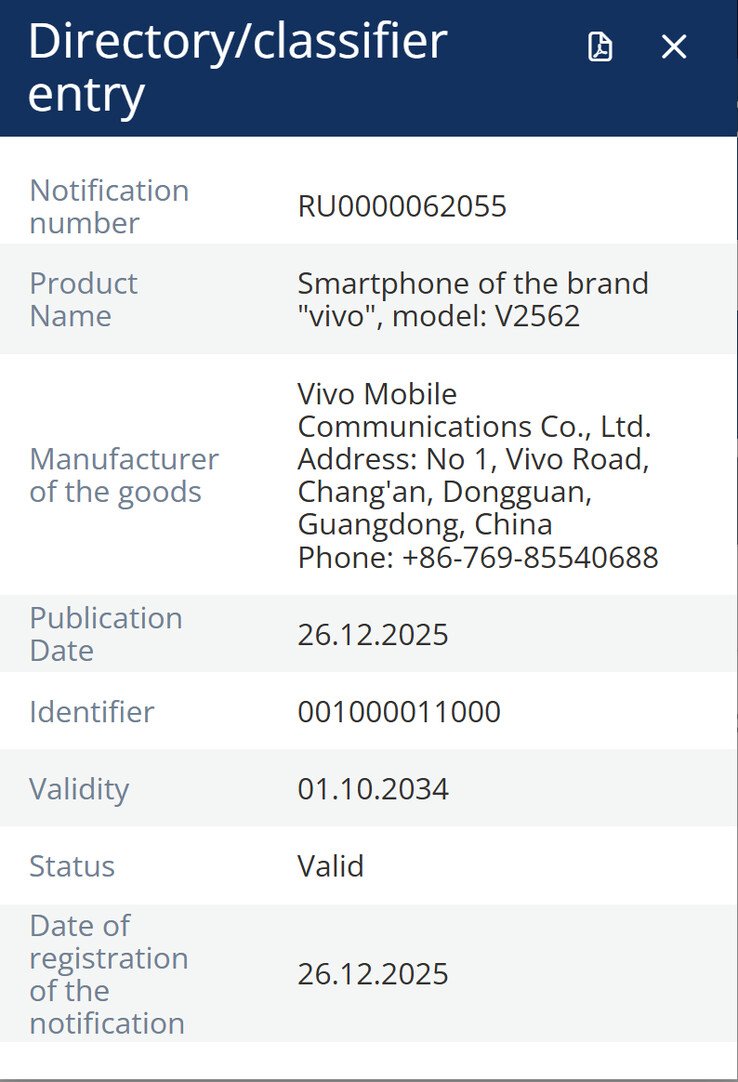
The Vivo X300 Ultra appears to be the next flagship in line for a global release. The device, carrying model number V2562, recently received certification from the Eurasian Economic Commission (EEC). EEC certification is a strong indicator of a planned release in the Eurasian region, which typically includes Russia and neighboring countries. More recently, the same model number appeared in the public database of Indonesia's TKDN (Telecommunication Device Certification Office). This dual certification is a reliable signal that Vivo intends to sell the X300 Ultra in multiple markets worldwide.

The Hardware Behind the Flagship
While the global release is the primary news, the expected hardware specifications are equally compelling. According to industry leaks and certification filings, the Vivo X300 Ultra will be powered by the Qualcomm Snapdragon 8 Elite Gen 5 chipset. This is the same top-tier processor expected to appear in most Android flagships in 2026, offering significant gains in CPU and GPU performance over the previous generation. Paired with ample RAM and storage, the X300 Ultra should deliver a flagship-level experience for gaming, multitasking, and creative applications.
The camera system is where Vivo traditionally differentiates its Ultra models, and the X300 Ultra is no exception. The rumored setup includes a formidable trio of sensors:
- Primary Camera: A 1/1.12-inch Sony LYT-901 sensor. This large sensor size, similar to what we've seen in recent high-end phones, is designed to capture more light, resulting in better low-light performance and more natural depth of field.
- Telephoto Camera: A 1/1.4-inch Samsung ISOCELL HPB sensor. This is likely a periscope-style telephoto lens, offering high optical zoom capabilities (potentially 3x or 5x) without sacrificing image quality.
- Ultra-Wide Camera: A 1/1.28-inch Sony LYT-828 sensor. This is unusually large for an ultra-wide lens, which typically uses smaller sensors. A larger sensor here should mean better detail and less noise in wide-angle shots, especially in challenging lighting.
How It Compares to the X200 Ultra
The Vivo X200 Ultra, released exclusively in China, set a high bar for camera performance. Its successor, the X300 Ultra, is poised to surpass it in several key areas. The most obvious upgrade is the chipset. The Snapdragon 8 Elite Gen 5 will provide a tangible performance boost over the X200 Ultra's processor, improving everything from app launch times to sustained gaming performance.
The camera hardware also appears to be a step forward. While the X200 Ultra featured a 1-inch primary sensor (Sony IMX989), the X300 Ultra's rumored LYT-901 is a slightly smaller but more modern sensor with improved pixel technology. The telephoto and ultra-wide sensors are also expected to be more advanced, potentially offering better zoom quality and wider field-of-view without distortion. Vivo's image processing software, which has consistently been a strength, will likely be refined further to take advantage of this new hardware.
The most significant difference, however, is availability. The X200 Ultra was a fantastic phone that most of the world never got to buy. The X300 Ultra's global certification suggests that Vivo is finally bringing its most ambitious hardware to a worldwide audience.
Who Is This Phone For?
The Vivo X300 Ultra is shaping up to be a device for a specific type of user: the mobile photography enthusiast who demands the best possible camera system without compromising on overall performance. It's for the person who compares sensor sizes and lens apertures, who wants to capture detailed photos in low light, and who values optical zoom over digital cropping.
It's also for those who have been waiting for a true alternative to the Samsung Galaxy S Ultra and Google Pixel Pro series. Vivo's approach to photography—often emphasizing natural color science and high dynamic range—offers a different flavor from Samsung's vibrant processing or Google's computational photography focus. The global release means this choice will finally be available to consumers in Europe, Southeast Asia, and potentially other regions.
What Comes Next?
While the certifications confirm a global release is planned, the exact timeline and regional availability remain unclear. Vivo will likely announce the X300 Ultra in China first, as is tradition, with a global launch event to follow. Pricing will be a critical factor; Vivo's flagships have been competitively priced in China, but international pricing often includes taxes and import fees that can increase the cost.
The move to globalize its Ultra series is a logical and welcome step for Vivo. It signals a commitment to competing at the highest level worldwide, not just in its home market. For consumers, it means more choice and potentially better value in the premium smartphone segment. The Vivo X300 Ultra is no longer a rumor—it's a certified product heading for a store near you.
Comments
Please log in or register to join the discussion