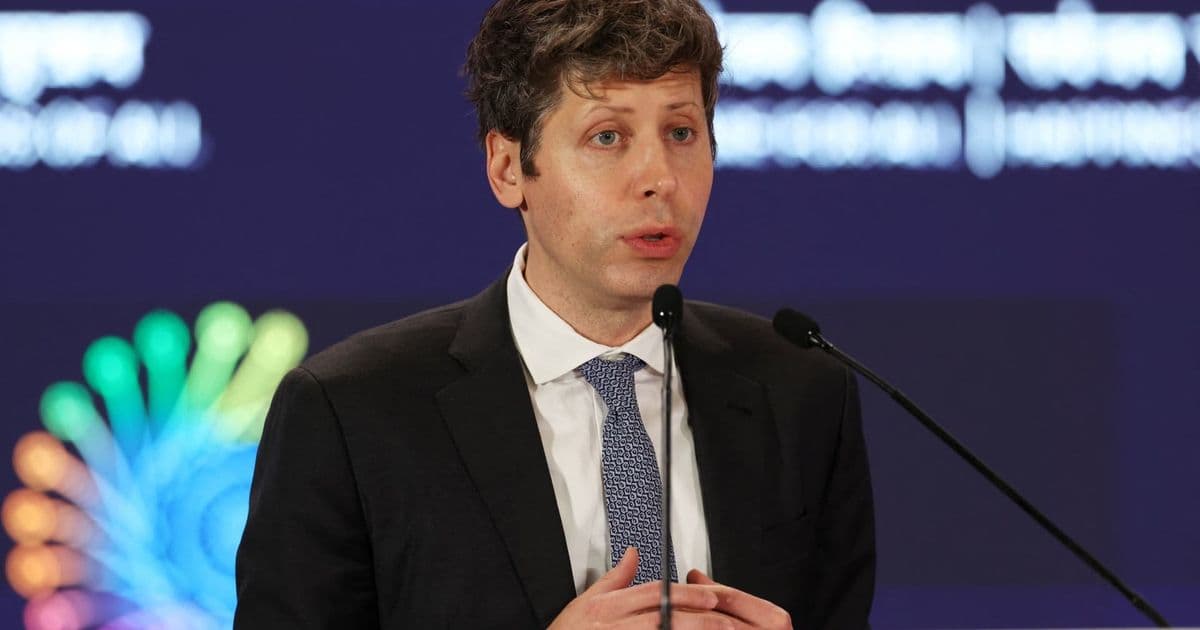
OpenAI CEO Sam Altman admits the company "shouldn't have rushed" its recent Department of Defense contract, announcing revisions after backlash over potential surveillance applications.
OpenAI CEO Sam Altman has acknowledged the company moved too quickly on its recent Department of Defense contract, announcing revisions to address concerns about potential surveillance applications and domestic monitoring.
The tech company is amending its DOD contract to ensure its AI systems are not "intentionally used for domestic surveillance of US persons and nationals," according to Altman. The CEO stated that services to agencies like the NSA would require additional contract modifications beyond the initial agreement.
This reversal comes after widespread criticism of OpenAI's initial deal with the Pentagon. The company and the Department of Defense have agreed to strengthen surveillance protections in the contract following the backlash. Sources indicate that Altman personally approached the DOD's Emil Michael to rework the agreement.
Altman admitted the rushed announcement "looked opportunistic and sloppy" but defended the company's intentions, saying OpenAI was "trying to de-escalate things and avoid a much worse outcome." The CEO emphasized that "the democratic process must stay in control, and we must democratize AI," adding that no private company should decide the fate of the world.
The controversy highlights growing tensions between AI companies and government agencies over the use of advanced technology for surveillance and military applications. While OpenAI moves to clarify its position, competitor Anthropic faces its own challenges after a contract dispute with the Pentagon led to the termination of federal agency contracts with the company.
Anthropic's situation has become increasingly precarious, with the company's $60 billion-plus in funding now at risk due to the dispute. The incident represents the first major public debate on control over frontier AI technology, with institutions behaving "erratically, maliciously, and without clarity," according to industry observers.
The developments underscore the complex balance AI companies must strike between pursuing government contracts and maintaining public trust, particularly regarding surveillance capabilities and privacy protections.
Comments
Please log in or register to join the discussion