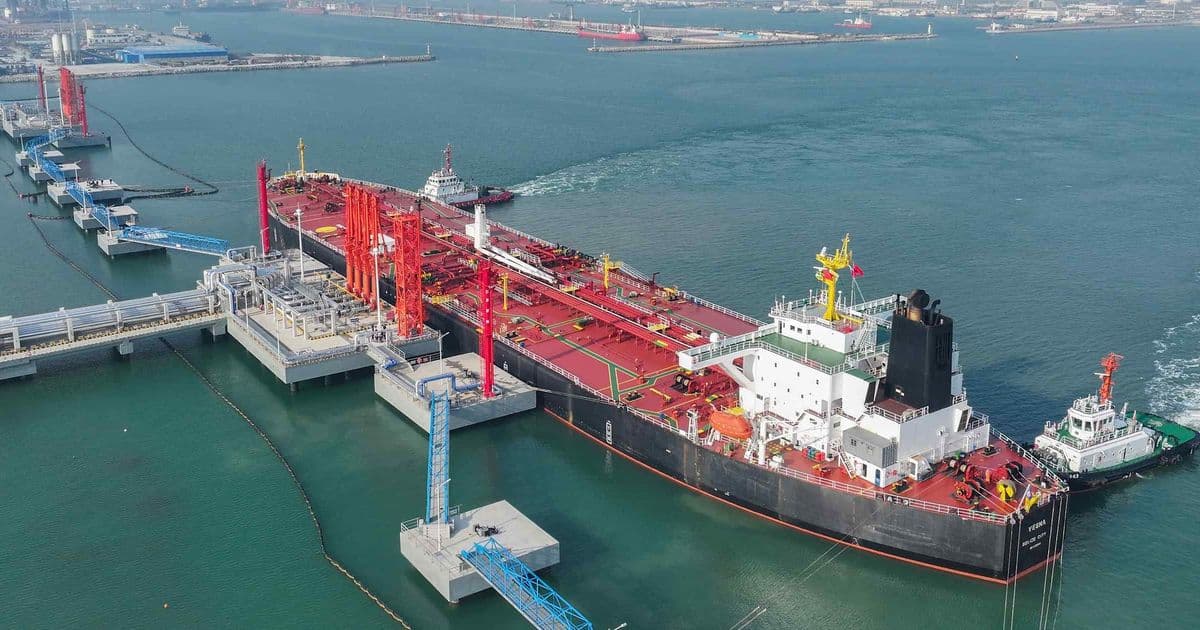
Governments across Asia are moving to calm fears of energy shortages as tensions in the Middle East threaten to disrupt vital oil and gas flows through the Strait of Hormuz.
Asian governments have moved swiftly to reassure their citizens and financial markets that they have sufficient energy reserves to weather a potential weekslong disruption to Middle East oil and gas supplies.
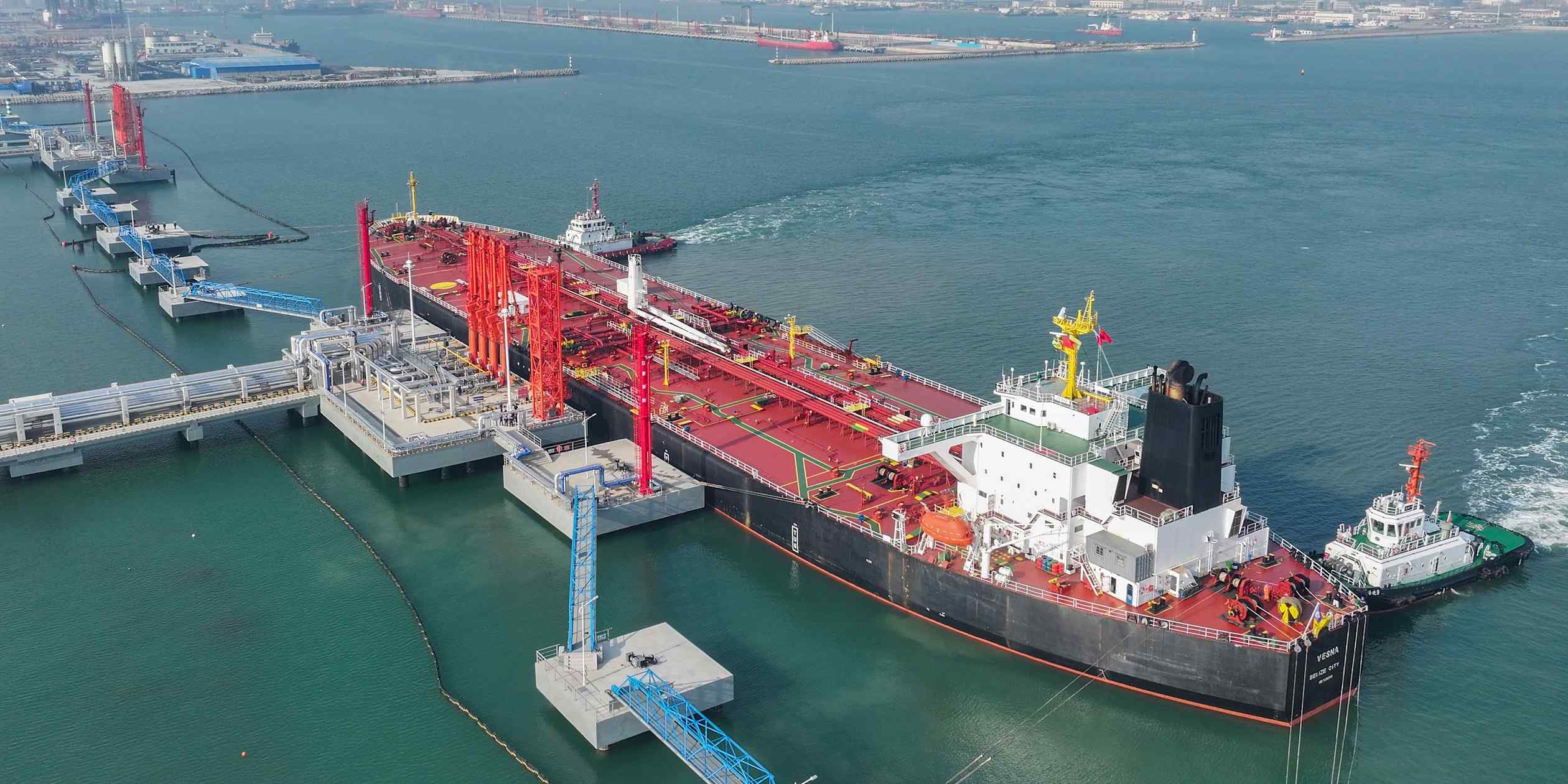
The reassurances come as tensions between Iran and Western powers have escalated dramatically, with Iran launching missile strikes against Israel and threatening to close the Strait of Hormuz, through which roughly 20% of global oil supplies pass.
Energy security becomes top priority
Governments across the region are conducting emergency assessments of their energy stockpiles and supply chains. Japan's government has stated that while the situation is serious, a closure of the Strait of Hormuz would not yet constitute a "survival-threatening" crisis for the country.
China, which received approximately 3.8 million barrels per day of the 13.4 million b/d that passed through the Strait of Hormuz in 2025, has activated its strategic petroleum reserve system. The country maintains one of the world's largest emergency oil stockpiles, capable of sustaining its economy for several months without new imports.
Market reactions and price impacts
Oil prices have surged on fears of supply disruptions, with Brent crude climbing above $85 per barrel. Asian stock markets have tumbled in response, with energy-intensive economies particularly vulnerable to sustained price increases.
India, which has been pivoting away from Russian oil imports toward Middle Eastern suppliers, now faces a strategic dilemma. The country's refiners have scrambled to secure alternative crude sources, with some turning back to Russia as a more politically stable option despite Western sanctions.
Regional energy dependencies
The Strait of Hormuz crisis has exposed varying levels of energy vulnerability across Asia:
- Japan: Imports roughly 90% of its oil, with Middle Eastern suppliers accounting for the majority
- South Korea: Heavily dependent on LNG imports, particularly from Qatar
- China: Diversified supply chains but still vulnerable to price shocks
- India: Rapidly growing energy demand makes it particularly sensitive to supply disruptions
Strategic responses
Governments are implementing multiple strategies to mitigate potential shortages:
- Activating strategic petroleum reserves
- Diversifying supply sources away from the Middle East
- Accelerating renewable energy projects to reduce oil dependency
- Negotiating emergency supply agreements with alternative producers
Qatar, a major LNG exporter, has already halted some production as regional strikes continue, highlighting the interconnected nature of energy markets.
Economic implications
The conflict threatens to derail economic recoveries across Asia, particularly in energy-intensive manufacturing economies like Japan and South Korea. Higher energy costs could force central banks to maintain higher interest rates longer than planned, potentially slowing growth.
Transportation and logistics companies are already reporting increased costs, with shipping rates for oil tankers rising as insurers reassess risks in the region.
Looking ahead
While governments maintain that current stockpiles are sufficient for weeks-long disruptions, analysts warn that prolonged conflict could force difficult choices. Some countries may need to implement energy rationing or industrial output restrictions if the crisis extends beyond initial projections.
The situation remains fluid, with market participants closely watching diplomatic developments and military movements in the region. Energy traders are particularly focused on whether Iran will follow through on threats to close the Strait of Hormuz, a move that would send oil prices spiking and force governments to implement emergency measures.
For now, Asian governments appear confident in their ability to manage short-term disruptions, but the crisis has underscored the region's continued vulnerability to Middle Eastern energy politics nearly three decades into the 21st century.
Comments
Please log in or register to join the discussion