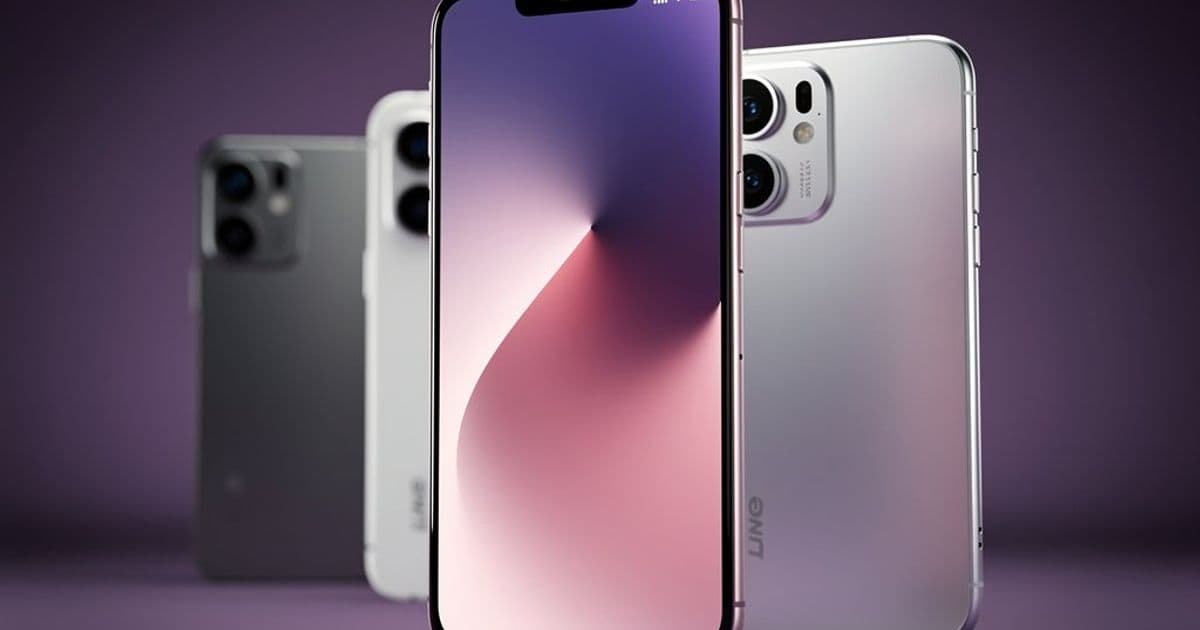
The Samsung Galaxy S26 Ultra remains the most anticipated phone of the season, holding the top spot for a second consecutive week. Meanwhile, Xiaomi's new Redmi Note 15 lineup is making a strong global push, with the Pro+ model climbing to second place and pushing the Galaxy A56 down to third.
The mobile world's attention remains fixed on unannounced hardware, with the Samsung Galaxy S26 Ultra continuing its reign as the most searched-for phone for a second week. This sustained interest, long before its official debut, underscores the anticipation for Samsung's next flagship, which is expected to push boundaries in camera technology and processing power.

The Unreleased King: Samsung Galaxy S26 Ultra
The Galaxy S26 Ultra's position at the top of the trending chart is a testament to the power of rumors and leaks in the smartphone industry. Consumers are actively seeking information about what's next for Samsung's premium line. While official specs are still under wraps, industry speculation points to a potential new sensor, possibly a 200MP main camera with improved pixel-binning technology, and the next-generation Qualcomm Snapdragon 8 Elite 2 chipset (or an equivalent Exynos variant in some markets). The device is also rumored to feature a new, more durable Gorilla Glass protection, a significant consideration for users investing in a flagship device.
This level of pre-release buzz is crucial for Samsung. It builds marketing momentum and keeps the brand at the forefront of consumer minds, even as competitors release new devices. The S26 Ultra's success will hinge on whether it can deliver meaningful upgrades over the already impressive Galaxy S25 Ultra, particularly in battery life and camera performance in low-light conditions.
Xiaomi's Redmi Note 15 Series: A Global Power Play
While Samsung dominates the high-end anticipation, Xiaomi is making waves in the mid-range segment with its Redmi Note 15 series. The global rollout of these devices is clearly having an effect on search trends.
The Xiaomi Redmi Note 15 Pro+ 5G has surged to the second position, a significant jump from third place last week. This model is positioned as a performance-focused mid-ranger. It typically features a high-refresh-rate AMOLED display, a capable MediaTek Dimensity or Snapdragon processor, and a fast-charging battery system—often exceeding 100W. For consumers, the appeal is clear: flagship-level features at a fraction of the price of a Galaxy S-series. The Pro+ model's climb suggests that its specifications and competitive pricing are resonating with a global audience looking for value without major compromises.

Following closely is the standard Xiaomi Redmi Note 15 Pro, which also saw a significant rise from seventh to fourth place. This model often shares the core design and many features with the Pro+ but may have slight differences in processor or camera hardware, making it an even more accessible entry point into the series. The base Redmi Note 15 also entered the chart at sixth, indicating strong overall interest in the entire lineup.
Xiaomi's strategy here is straightforward: flood the market with well-specced, competitively priced devices across multiple price brackets. This approach puts pressure on established players like Samsung and Apple, forcing them to justify their premium pricing with tangible, high-end innovations.
The Shifting Mid-Range Landscape
The rest of the chart highlights the dynamic nature of the mid-range and budget segments:
- Samsung Galaxy A56 (Rank 3, down from 2): The A56's drop to third is likely a direct result of the Redmi Note 15 Pro+'s surge. The A56 is a solid, reliable device with good software support, but it faces intense competition on price-to-performance ratio.
- Samsung Galaxy S25 Ultra (Rank 5): Holding steady at fifth, the previous year's flagship remains a popular search, likely from consumers considering a slightly older model for a discount.
- Apple iPhone 17 Pro Max (Rank 7, down from 6): Apple's latest flagship slipped one spot, a minor fluctuation in a chart dominated by Android devices. Its position is still strong, reflecting the enduring appeal of the iOS ecosystem.
- Infinix Note Edge 5G (Rank 8): Holding its ground, Infinix continues to target the budget-conscious segment with devices that offer features like high-refresh-rate screens and large batteries at aggressive price points.
- Samsung Galaxy A17 (Rank 9, up from 10): This budget-friendly Samsung model climbing a spot shows consistent interest in entry-level devices with the Samsung brand name.
- Honor Magic8 Pro Air 5G (Rank 10, New Entry): The newly announced Honor Magic8 Air completes the chart. As a new entry, its appearance indicates immediate consumer curiosity about Honor's latest offering, which likely focuses on a slim design and capable cameras to compete in the premium mid-range space.
Ecosystem and Consumer Considerations
For consumers navigating this chart, the choice isn't just about specs. It's about ecosystem lock-in. Choosing a Samsung phone often means a seamless experience with Samsung's Galaxy Watch, Buds, and tablets. Opting for Xiaomi means access to MIUI's feature set and potentially lower-cost accessories. Apple's iPhone 17 Pro Max sits in its own walled garden, offering deep integration with macOS, iPadOS, and the Apple Watch, but at a premium price.
The rising trend of Xiaomi's Redmi Note 15 series suggests a growing segment of consumers are prioritizing raw hardware value over ecosystem loyalty, or are willing to mix and match devices from different brands. This trend pressures all manufacturers to keep innovation moving and prices competitive.
As we move forward, the anticipation for the Galaxy S26 Ultra will only intensify as its rumored launch date approaches. Meanwhile, the success of Xiaomi's global Redmi Note 15 rollout will be a key metric to watch, potentially setting the benchmark for what consumers expect in the sub-$500 price range.
Comments
Please log in or register to join the discussion