
Motorola’s Razr Fold arrives with a Snapdragon 8 Gen 5, large 6,000 mAh Si/C battery and a triple‑50 MP camera stack, but its €2,000 price tag puts it squarely against Samsung’s Galaxy Z Fold 7. This article breaks down the hardware, compares it to rival book‑style foldables, and examines how Motorola’s software and accessory ecosystem could sway buyers.
Will the Motorola Razr Fold Earn Your Vote?
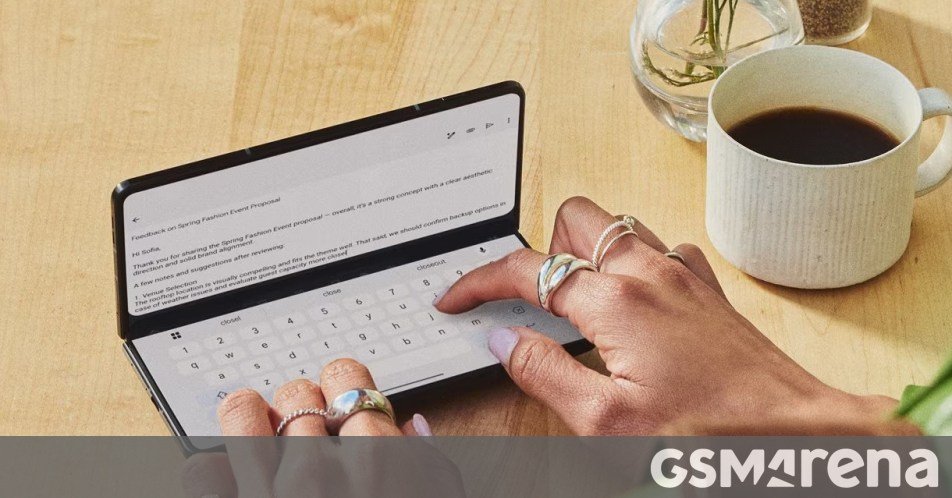
Motorola finally steps into the book‑style foldable arena with the Razr Fold, a device that tries to blend the nostalgia of the classic Razr flip with the larger inner screen that Samsung and Google have been championing for years. The phone is already shipping in the UK, much of Europe, India, the United States and Canada, and GSMArena has opened a poll asking readers whether they would buy it. Below we unpack the hardware, compare it to the competition, and discuss the ecosystem factors that could tip the scales.
Key hardware specs
| Feature | Motorola Razr Fold | Samsung Galaxy Z Fold 7 | Google Pixel 10 Pro Fold |
|---|---|---|---|
| SoC | Snapdragon 8 Gen 5 (non‑Elite) | Snapdragon 8 Gen 5 (Elite) | Google Tensor G3 |
| RAM / Storage | 16 GB / 512 GB | 12 GB / 1 TB | 12 GB / 512 GB |
| Cover display | 6.6‑inch, 1080p+, LTPO, up to 165 Hz | 6.2‑inch, 1080p+, LTPO, 120 Hz | 6.0‑inch, 1080p+, LTPO, 120 Hz |
| Inner display | 8.1‑inch, 2,232 × 2,484 px, LTPO, up to 120 Hz | 7.6‑inch, 2176 × 1812 px, LTPO, 120 Hz | 7.5‑inch, 2208 × 1840 px, LTPO, 120 Hz |
| Battery | 6,000 mAh Si/C, 80 W wired, 50 W wireless | 4,400 mAh, 25 W wired, 15 W wireless | 5,015 mAh, 30 W wired, 15 W wireless |
| Main camera | 50 MP (1/1.28″, OIS) + 50 MP 3× periscope (1/1.95″, OIS) + 50 MP ultra‑wide | 50 MP (wide) + 12 MP ultra‑wide + 10 MP telephoto | 50 MP (wide) + 48 MP ultra‑wide + 48 MP telephoto |
| Selfie cameras | 32 MP on cover, 20 MP on inner | 10 MP on cover | 11 MP on cover |
| Thickness (folded) | 10.1 mm | 8.9 mm | 10.8 mm |
| Weight | 243 g | 215 g | 258 g |
| IP rating | IP48/IP49 (water jets & submersion) | IPX8 | IPX8 |
| Price (launch) | €2,000 / £1,800 / $1,900 / ₹150,000 / CAD 2,700 | €2,200 / $2,200 | €2,300 / $2,400 |
What the numbers mean
- Snapdragon 8 Gen 5 – Motorola opted for the baseline version rather than the Elite variant found in Samsung’s flagship. The chip still delivers flagship‑class performance, but the Elite’s extra GPU cores could matter for heavy gaming.
- Battery advantage – The 6,000 mAh silicon‑carbon cell gives the Razr Fold roughly 30 % more capacity than the Z Fold 7, and the 80 W wired charger can refill the battery in about 35 minutes. Si/C chemistry is still rare in mainstream phones, which explains why Samsung, Google and Apple have not adopted it yet.
- Refresh‑rate flexibility – The cover screen can push 165 Hz, a noticeable bump over Samsung’s 120 Hz panel. This makes scrolling and UI animations feel smoother on the outer display, which is where most quick interactions happen.
- Camera stack – Three 50 MP sensors provide a balanced setup. The periscope lens offers 3× optical zoom, matching Samsung’s 3× telephoto but with a larger sensor (1/1.95″ vs. 1/2.0″), potentially delivering better low‑light performance.
- Thickness & weight – At 10.1 mm the Razr Fold is marginally thicker than Samsung’s device but lighter than Google’s. It sits in a sweet spot for users who dislike the ultra‑thin feel of the Z Fold 7 but want a solid, pocket‑friendly form factor.
How it fits into the foldable ecosystem
Motorola’s entry is not just about raw specs; it also brings a different software and accessory story.
Software experience
Motorola ships a near‑stock Android 15 overlay with a few Razr‑specific tweaks:
- Moto Actions – Gestures on the cover screen (double‑tap to wake, lift‑to‑reply) that work across both displays.
- Moto Pen Ultra integration – The stylus is recognized on the inner and cover screens, with pressure‑sensitive input and a shortcut bar that appears automatically when the pen is detected. This mirrors the experience on the Samsung Galaxy Tab S9 series, but Motorola’s implementation feels lighter because it avoids heavy UI layers.
- Continuity with other Moto devices – If you own a Moto Edge (2026) or a Moto G Power 2025, you can share apps, media and even a unified notification stream via the Moto Sync service. It’s not as polished as Samsung’s Smart Switch, but it does reduce friction for users already in the Motorola ecosystem.
Accessory ecosystem
- Moto Pen Ultra – Sold separately for about $120, it magnetically attaches to the side of the device and charges wirelessly. The pen’s latency is around 9 ms, comparable to the Samsung S Pen Pro.
- Foldable cases – Third‑party manufacturers such as Spigen and ZAGG have already announced protective cases designed for the Razr Fold’s dimensions. The larger battery means the device is a bit heavier, so a sturdy case is advisable for daily use.
- Docking options – Motorola’s Power Dock provides 80 W wired charging while also acting as a stand for the inner display, similar to Samsung’s DeX dock but without the desktop UI.
Pricing and market positioning
At €2,000 the Razr Fold is positioned just below Samsung’s launch price for the Z Fold 7, which sits at €2,200 in most European markets. Google’s Pixel 10 Pro Fold starts at €2,300, making Motorola the cheapest of the three flagship book‑foldables.
However, the price is still far from a “budget” tier. The device competes on three main factors:
- Battery life – The larger Si/C cell translates to roughly 1.5 hours more screen‑on time than the Z Fold 7 under mixed usage.
- Refresh‑rate on the cover – 165 Hz is a tangible benefit for users who spend a lot of time on quick tasks like messaging or social media.
- Stylus support – Not all foldables offer a pen, and the Moto Pen Ultra is a compelling add‑on for note‑takers and artists.
If you prioritize raw performance, the Elite Snapdragon in Samsung’s model may still win, but for most consumers the Razr Fold’s battery and stylus advantage could be decisive.
Will you buy it?
The poll on GSMArena asks a simple question, but the answer depends on how you weigh three variables:
- Ecosystem lock‑in – If you already own Samsung or Google devices, the convenience of cross‑device features may outweigh Motorola’s modest advantages.
- Battery & charging needs – Heavy users who value fast wired charging and longer endurance will find the Razr Fold appealing.
- Stylus workflow – Creators and business users who need a pen will likely lean toward Motorola, unless they are already invested in Samsung’s S Pen ecosystem.
Ultimately, the Razr Fold proves that Motorola can build a competitive book‑style foldable without sacrificing battery life or display smoothness. Whether it convinces you to switch from Samsung or Google will come down to personal workflow preferences and how much you value the Moto‑specific accessories.
Related resources
- Official Motorola Razr Fold page – https://www.motorola.com/us/products/razr-fold
- Snapdragon 8 Gen 5 specifications – https://developer.qualcomm.com/snapdragon-8-gen-5
- Si/C battery technology overview – https://www.silicon-carbon-batteries.com
- GSMArena hands‑on review – https://www.gsmarena.com/motorola_razr_fold_hands_on-review-xxxx.php

Comments
Please log in or register to join the discussion