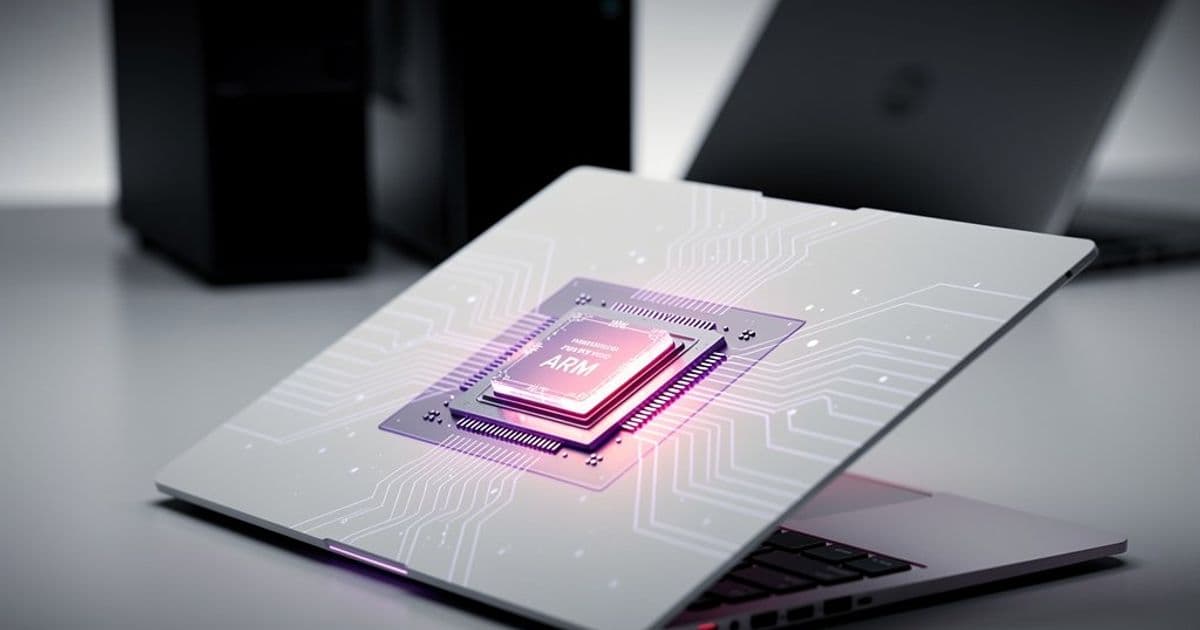
Microsoft is taking a bold step with its upcoming 26H1 update for Windows 11, restricting it exclusively to devices powered by the new Snapdragon X2 Elite chips. This isn't just a random hardware lockdown—it's a strategic move to push the industry toward ARM-based computing, leveraging the efficiency and AI capabilities of Qualcomm's latest silicon. While it might frustrate Intel and AMD users, the decision highlights Microsoft's commitment to a unified, AI-first ecosystem.
A Hardware-Exclusive Update
In a surprising twist, Microsoft has confirmed that the Windows 11 26H1 update will be available only on PCs equipped with Qualcomm's Snapdragon X2 Elite processors. This means users with Intel Core or AMD Ryzen chips won't get the update, at least not in its full form. The decision, first reported by Windows Central, underscores a deeper shift in Microsoft's strategy: moving away from legacy x86 architecture toward ARM's power efficiency and integrated AI acceleration.
Why the Lockdown?
The reason boils down to optimization and future-proofing. The Snapdragon X2 Elite isn't just another chip—it's built for on-device AI, with a Neural Processing Unit (NPU) capable of 45 TOPS (trillions of operations per second). The 26H1 update is expected to introduce advanced AI features like real-time translation, enhanced Copilot integration, and smarter battery management, all of which rely heavily on that NPU. By limiting the update to X2 devices, Microsoft ensures a seamless, high-performance experience without the fragmentation that plagued earlier Windows on ARM efforts.
This move also aligns with Qualcomm's push to dominate the laptop market. As  illustrates, the social buzz around these chips is already building, with previews showing blistering speeds and all-day battery life that outpace many Intel equivalents. For Microsoft, it's a win-win: they can showcase Windows' AI potential on hardware that's ready for it, rather than retrofitting older systems.
The Broader Implications
For developers like us in the mobile space, this echoes trends we're seeing in iOS and Android ecosystems. Apple's M-series chips have long tied macOS updates to their ARM silicon, and Google's Tensor chips do the same for Android's AI features. Cross-platform tools like Flutter or React Native will need to adapt to ARM-first development, but the payoff is clear—more efficient apps that leverage hardware acceleration.
If you're rocking a Snapdragon X2 PC, the 26H1 update promises a snappier, AI-enhanced Windows experience. For everyone else? It's a nudge to consider your next upgrade carefully. Microsoft isn't abandoning x86 entirely, but this exclusivity signals that the future of Windows is ARM-powered.
What do you think—excited for the ARM revolution, or is this too restrictive? Let us know in the comments.
Comments
Please log in or register to join the discussion