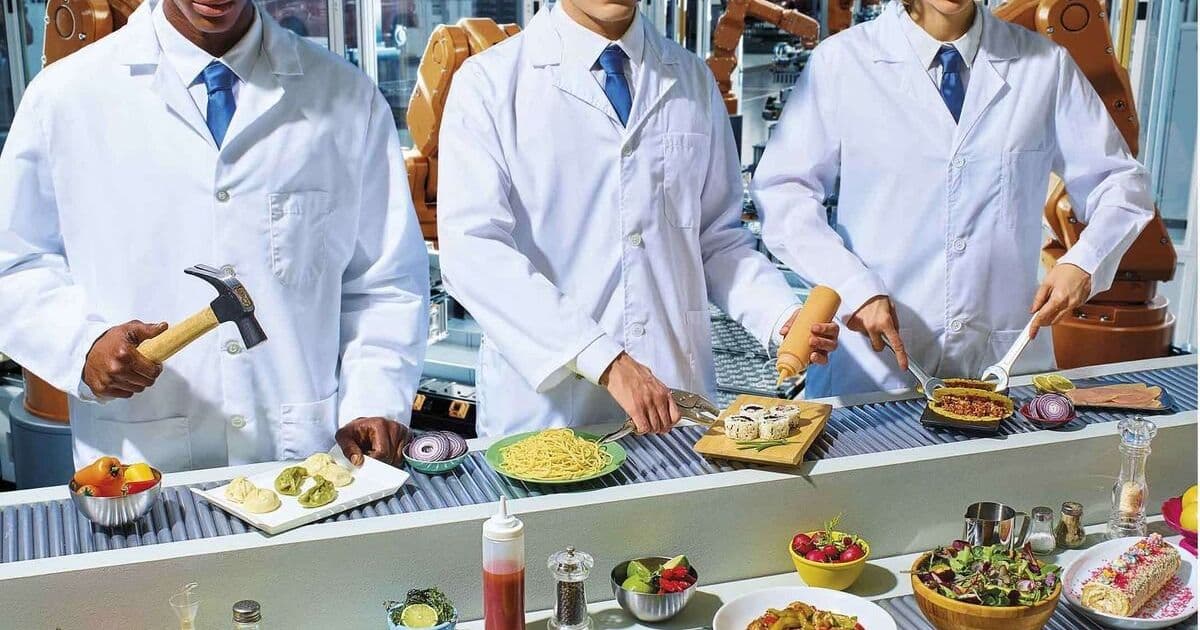
Grubhub parent Wonder is deploying robotic meal-assembly technology acquired from Sweetgreen as part of a $2 billion push to automate restaurant operations, raising questions about scalability and industry disruption.
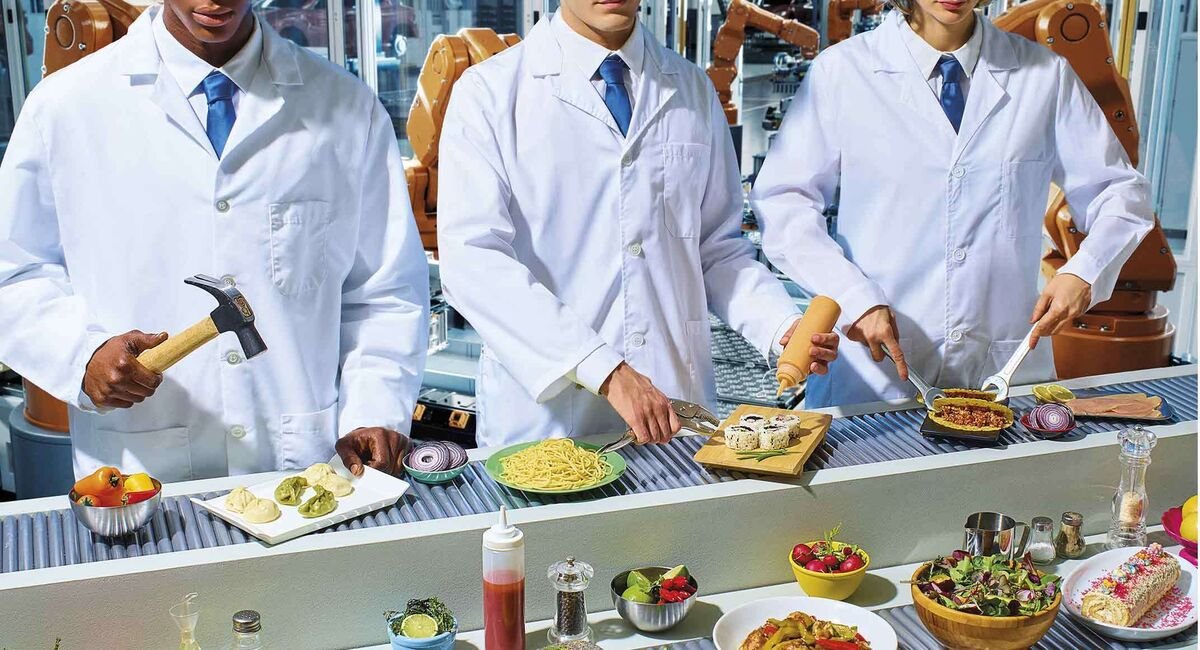
The food tech sector's accelerating automation drive has found its latest expression in Wonder, the Grubhub parent company that has raised approximately $2 billion to reimagine meal preparation. Founded by e-commerce veteran Marc Lore, Wonder acquired Sweetgreen's robotic meal-assembly technology for $186 million in November 2025, signaling a strategic pivot toward automating core kitchen functions. This move positions Wonder not just as a delivery intermediary, but as a vertically integrated operator aiming to industrialize food production.
At its core, Wonder's strategy mirrors Amazon's retail playbook: replace fragmented, labor-intensive operations with centralized, technology-driven efficiency. The acquired Sweetgreen system uses robotic arms equipped with specialized tools to assemble salads and grain bowls with precision. Ingredients are dispensed from refrigerated cartridges into containers moving along conveyor belts, with sensors verifying portion accuracy. Initial deployments in New Jersey and New York reportedly handle 300+ meals hourly per unit, a volume unattainable through manual processes.
Proponents highlight potential benefits: reduced food waste through algorithmic portion control, consistent quality across locations, and 24-hour operation without staffing constraints. Wonder's backers—including funds affiliated with NEA and Forerunner Ventures—bet these efficiencies will enable profitable meal pricing while absorbing delivery costs. Lore envisions "cloud kitchens on steroids," where robotic hubs serve surrounding neighborhoods through Grubhub's delivery network.
Yet significant hurdles persist. Technical reliability remains unproven at scale—early prototypes struggled with ingredient viscosity, requiring manual intervention for sauces and dressings. The $186 million acquisition price also raises eyebrows, given that Sweetgreen abandoned the technology after failing to achieve target throughput rates. Former Sweetgreen engineers note the system requires perfect ingredient preparation; any variation in vegetable cuts or cheese shred size causes assembly errors.
Labor implications spark debate. While Wonder claims automation creates higher-skilled maintenance roles, the Restaurant Opportunities Centers United estimates each robotic unit could displace 8-10 kitchen staff. Perhaps most critically, consumer acceptance of fully automated meal assembly remains untested beyond limited pilots. Early adopters describe the output as "functional but soulless," noting the absence of human customization that defines restaurant experiences.
As Wonder scales deployment, the initiative becomes a litmus test for automation's viability in perishable goods handling. Success could pressure established chains to accelerate robotics investments, while failure might validate skeptics arguing that food preparation's inherent variability defies industrialization. With Grubhub's existing delivery infrastructure providing a distribution advantage, Wonder's robotic kitchens may soon become either a disruptive force or a cautionary tale in the quest to systematize sustenance.
Relevant links: Wonder, Sweetgreen, Grubhub
Comments
Please log in or register to join the discussion