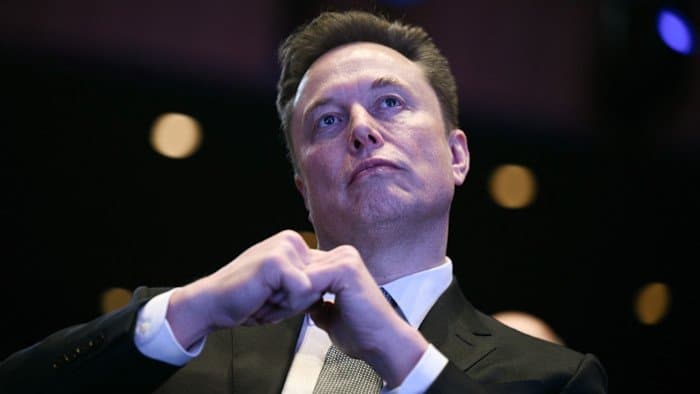
Elon Musk's AI company xAI has filed a lawsuit against Colorado's new AI anti-discrimination law, arguing it violates free speech protections and imposes unconstitutional restrictions on AI development.
Elon Musk's artificial intelligence company xAI has filed a lawsuit challenging Colorado's landmark AI anti-discrimination law, arguing that the regulations violate free speech protections and impose unconstitutional restrictions on AI development.
The lawsuit, filed in the US District Court for the District of Colorado, targets legislation set to take effect this summer that would require AI developers to implement safeguards against algorithmic discrimination. xAI claims the law's requirements amount to government censorship of AI systems and their outputs.
Legal Arguments and Constitutional Concerns
The core of xAI's argument centers on First Amendment protections, asserting that AI-generated content constitutes protected speech. The company contends that Colorado's law effectively compels developers to modify their AI models' outputs based on government-mandated criteria, infringing on constitutional rights.
Legal experts note this case could set a precedent for how AI regulation intersects with free speech doctrine. The lawsuit raises fundamental questions about whether AI systems can claim constitutional protections traditionally reserved for human expression.
Colorado's Regulatory Framework
The Colorado law represents one of the most comprehensive attempts to regulate AI discrimination at the state level. It requires developers to:
- Conduct impact assessments on AI systems
- Implement bias mitigation strategies
- Provide transparency about AI decision-making processes
- Establish accountability mechanisms for discriminatory outcomes
Supporters argue these measures are necessary to prevent AI systems from perpetuating or amplifying societal biases in areas like hiring, lending, and housing.
Industry Implications
This legal challenge comes amid growing tension between AI companies and regulators seeking to establish guardrails for the technology. The outcome could influence similar legislation being considered in other states and potentially at the federal level.
Tech industry observers note that xAI's aggressive stance reflects broader concerns within the AI sector about regulatory overreach. However, civil rights advocates argue that without such regulations, AI systems could entrench discrimination at scale.
Broader Context
The lawsuit follows other recent developments in AI regulation and industry dynamics:
- OpenAI's advertising revenue projections suggest the company expects to generate $2.4 billion in 2026, quadrupling to $11 billion in 2027
- Meta is pulling top engineers into a new Applied AI Engineering division to compete in the AI race
- Anthropic is exploring designing its own chips, though no commitment has been made
Free Speech Debate
The case highlights the complex intersection of technology, regulation, and constitutional rights. While xAI frames the Colorado law as censorship, critics argue that allowing AI systems to operate without discrimination safeguards effectively enables a different form of harm.
Legal scholars point out that courts have yet to definitively rule on whether AI outputs qualify for First Amendment protection, making this case potentially groundbreaking regardless of its outcome.
Timeline and Next Steps
The Colorado law is scheduled to take effect this summer, though the lawsuit could result in an injunction blocking implementation. The case is likely to draw significant attention from both the tech industry and civil rights organizations as it moves through the courts.
The outcome could have far-reaching implications for how states approach AI regulation and whether constitutional protections extend to artificial intelligence systems and their outputs.
Industry Response
Other AI companies are watching the case closely, with some expressing concern about the potential precedent it could set. The lawsuit may force the industry to clarify its position on the balance between innovation and responsible AI development.
As AI systems become increasingly integrated into decision-making processes that affect people's lives, the tension between technological advancement and regulatory oversight is likely to intensify. This case represents a pivotal moment in defining the boundaries of that relationship.
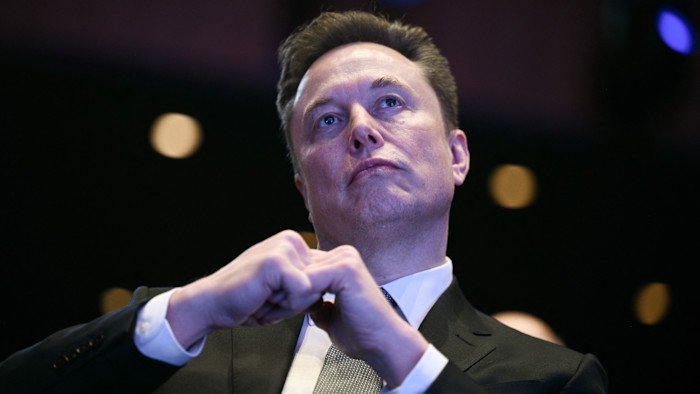
Featured image: The legal battle over AI regulation continues to intensify as companies and states grapple with balancing innovation and accountability.
Comments
Please log in or register to join the discussion