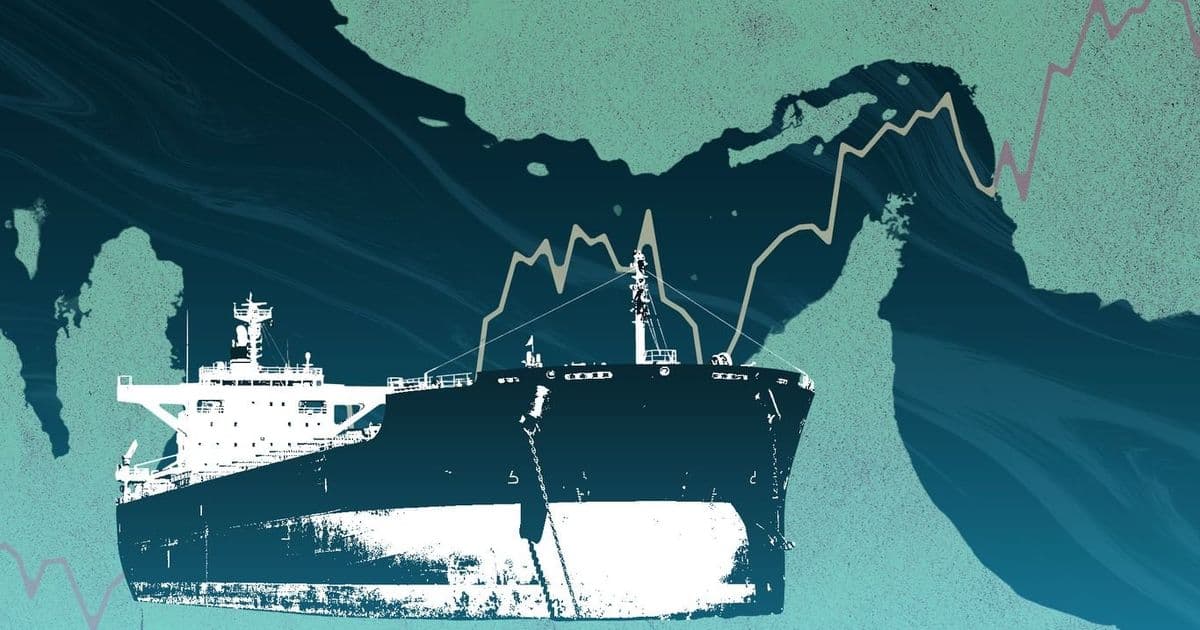
The strategic waterway through which 20% of global oil flows remains blocked as tensions escalate between the US and Iran over Iran's collection of transit fees.
The Strait of Hormuz, the world's most critical oil chokepoint through which approximately 20% of global petroleum supplies flow daily, remains effectively closed as of March 13, 2025, with President Donald Trump demanding Iran cease its collection of transit fees from vessels passing through the strategic waterway.
Market Impact and Oil Prices
The closure has sent shockwaves through global energy markets. Brent crude futures surged 8.2% to $94.50 per barrel, while West Texas Intermediate climbed 7.8% to $89.30. The market reaction reflects the strait's outsized importance - despite representing only 2.2% of global shipping routes by volume, it carries roughly one-fifth of the world's oil supply.
Shipping insurance rates for vessels transiting the Persian Gulf have skyrocketed by 300-400%, with Lloyd's of London classifying the region as "high-risk" territory. Major oil companies including Saudi Aramco, BP, and Shell have suspended all shipments through the strait pending resolution.
Iran's Position
Iranian officials maintain that the toll collection is a legitimate response to US sanctions that have cost the country an estimated $150 billion in lost oil revenue since 2018. The Islamic Revolutionary Guard Corps (IRGC) has deployed additional naval assets to enforce the closure, including fast-attack craft and anti-ship missile batteries along the strait's narrow shipping lanes.
"The United States cannot expect free passage through waters that are under our sovereign control while simultaneously strangling our economy," said Iranian Foreign Minister Abbas Araghchi in a statement to state media.
US Response
President Trump, speaking from Mar-a-Lago, issued an ultimatum to Tehran: "Stop the tolls immediately, or face consequences you've never seen before." The administration has not specified what actions it might take, but military analysts suggest options could include:
- Deployment of additional carrier strike groups to the region
- Naval escorts for commercial vessels
- Cyber operations against Iran's maritime tracking systems
- Secondary sanctions on countries purchasing Iranian oil
The US Navy's Fifth Fleet, based in Bahrain, has increased its readiness level and is conducting freedom-of-navigation exercises in nearby waters, though no direct confrontation has occurred yet.
Global Economic Implications
The strait's closure threatens to push global inflation higher, particularly in energy-importing nations. Japan, South Korea, and India - which collectively depend on the strait for over 70% of their oil imports - face immediate economic pressure. European nations are also vulnerable, with Germany's industrial sector warning of potential production slowdowns if energy costs remain elevated.
China, while less directly affected due to its diversified supply routes, has called for "calm and restraint" while quietly exploring alternatives to secure its energy needs. The country has increased purchases from Russia and is accelerating talks with Saudi Arabia about long-term supply agreements that bypass the strait.
Historical Context
The current crisis echoes previous confrontations over the strait. During the 1980s "Tanker War," Iran and Iraq attacked vessels in the Persian Gulf, prompting US intervention. More recently, tensions flared in 2019 when Iran seized a British-flagged tanker and attacked Saudi oil facilities.
What makes this situation different is the scale of Iran's response and the Trump administration's willingness to engage in economic warfare. Unlike previous administrations that relied primarily on diplomatic channels, Trump has shown a preference for maximum pressure tactics.
Potential Resolutions
Diplomatic observers see three possible paths forward:
Negotiation: The most likely scenario involves back-channel talks leading to a compromise where Iran receives some economic relief in exchange for reopening the strait.
Military Escalation: Less likely but possible, this would involve US military action to clear the strait by force, potentially triggering a wider regional conflict.
Protracted Standoff: The strait remains partially closed for months, forcing global energy markets to adapt through alternative routes and increased domestic production.
What's Next
The coming weeks will be critical. The US has given Iran a 30-day ultimatum to comply with its demands, after which "all options are on the table." Meanwhile, OPEC members are meeting to discuss potential production increases to offset the supply disruption.
For now, the world watches as one of its most vital economic arteries remains constricted, with the potential to reshape global energy markets and geopolitical alliances depending on how this confrontation unfolds.
Comments
Please log in or register to join the discussion