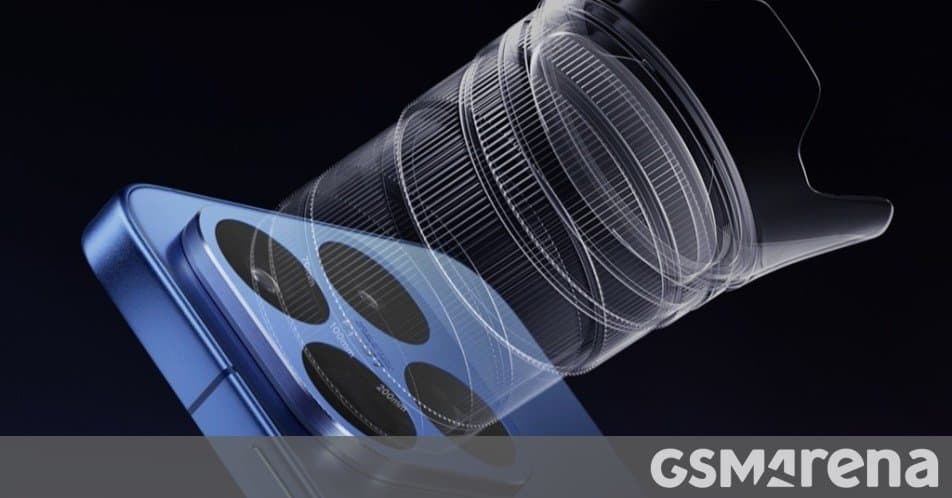
Xiaomi’s Indian X account released the first high‑resolution video of the non‑Pro 17T, confirming a centered punch‑hole display and branding the phone as “The Telephoto Master.” The same posts reveal that both 17T models will carry a Leica‑tuned 5× optical zoom camera with a 115 mm equivalent focal length, 10× optical‑quality zoom and up to 120× AI Ultra Zoom, tightening the link between Xiaomi’s hardware and Leica’s imaging ecosystem.
Xiaomi has finally given fans a clear visual of the upcoming Xiaomi 17T ahead of its May 28 unveiling. A short clip posted on Xiaomi India’s X (formerly Twitter) feed shows the handset in its classic midnight‑black finish, now sporting a centered punch‑hole selfie camera instead of the off‑center cutout seen in earlier leaks. The design matches the renderings that have circulated for weeks, confirming that the company is sticking with a flat‑back glass back and a 6.73‑inch AMOLED panel that will likely support a 120 Hz refresh rate.
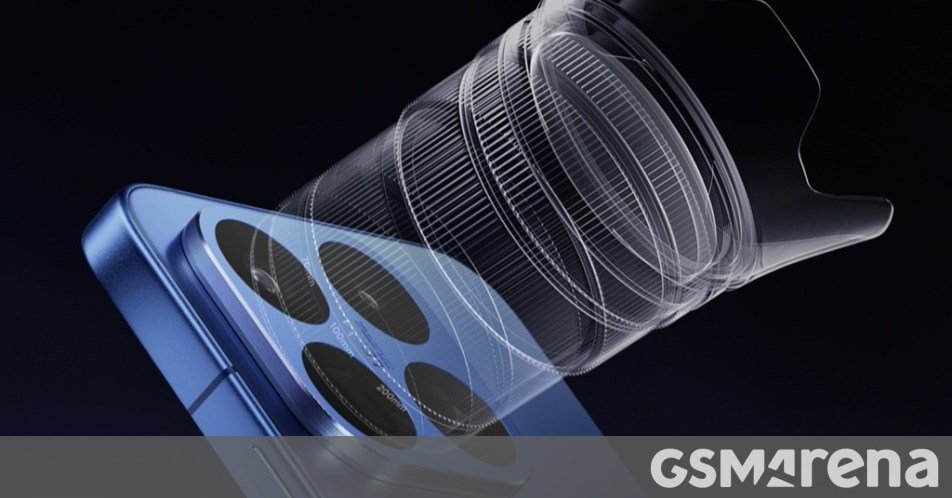
Telephoto focus – “The Telephoto Master”
In the same post Xiaomi India tagged the 17T as “The Telephoto Master.” Two follow‑up posts from the global Xiaomi X account added technical details:
- Leica 5× Telephoto – The camera will have a 115 mm equivalent focal length and will be standard across the 17T line, meaning the 17T Pro also receives the same lens.
- Zoom performance – Xiaomi claims the 5× optical zoom will deliver 10× optical‑quality zoom and an AI‑enhanced 120× Ultra Zoom for distant subjects.
While the exact sensor resolution wasn’t disclosed, multiple leaks suggest a 50 MP telephoto sensor paired with a 5× optical system, similar to the setup found in the Xiaomi 13 Ultra’s Leica‑branded module. If true, the combination of a large sensor and Leica’s color tuning should give the 17T series a noticeable edge in portrait and long‑range shooting compared with many competitors that still rely on 3× or 4× optical zoom.
How the Leica partnership shapes the ecosystem
Xiaomi’s ongoing collaboration with Leica goes beyond a branding badge. Leica provides both optical design expertise and a software pipeline that integrates its colour science into MIUI’s camera app. This means users get:
- Leica‑tuned colour profiles that aim for more natural skin tones and richer highlights.
- AI‑driven scene detection that leverages Leica’s research on low‑light noise reduction.
- Consistent output across the 17T and 17T Pro, making it easier for photographers to switch between devices without a learning curve.
The partnership also nudges Xiaomi users toward the broader Xiaomi‑Leica ecosystem. Accessories such as the Leica‑branded lens adapters and the upcoming Leica‑styled photo editing suite are expected to roll out alongside MIUI 15, creating a lock‑in effect for enthusiasts who value a unified workflow.
What this means for the market
- Competitive zoom: A 5× optical system with 10× optical‑quality zoom puts the 17T ahead of most mid‑range flagships, which typically stop at 3×. The 120× AI Ultra Zoom, while heavily processed, offers a marketing hook that could attract social‑media creators.
- Software synergy: By tying the camera experience to Leica’s ecosystem, Xiaomi encourages users to stay within MIUI for photo editing, cloud backup, and even printing services that may carry the Leica brand.
- Pricing pressure: If Xiaomi can deliver Leica‑level image quality at a sub‑$600 price point, it will pressure rivals like Samsung and OnePlus to upgrade their own telephoto modules or seek similar branding deals.
Where to follow the launch
- Official launch event (May 28): Xiaomi Global YouTube channel
- Detailed specs and comparison charts: GSMArena’s 17T spec page
- Leica partnership overview: Leica’s official announcement
The 17T’s official look and telephoto details give a clearer picture of Xiaomi’s strategy: blend high‑end optics with a mid‑range price tag, and use the Leica brand to deepen ecosystem ties. Expect the full spec sheet, pricing, and MIUI 15 features to be revealed during the live event, with the Indian market launch slated for June 4.
Comments
Please log in or register to join the discussion