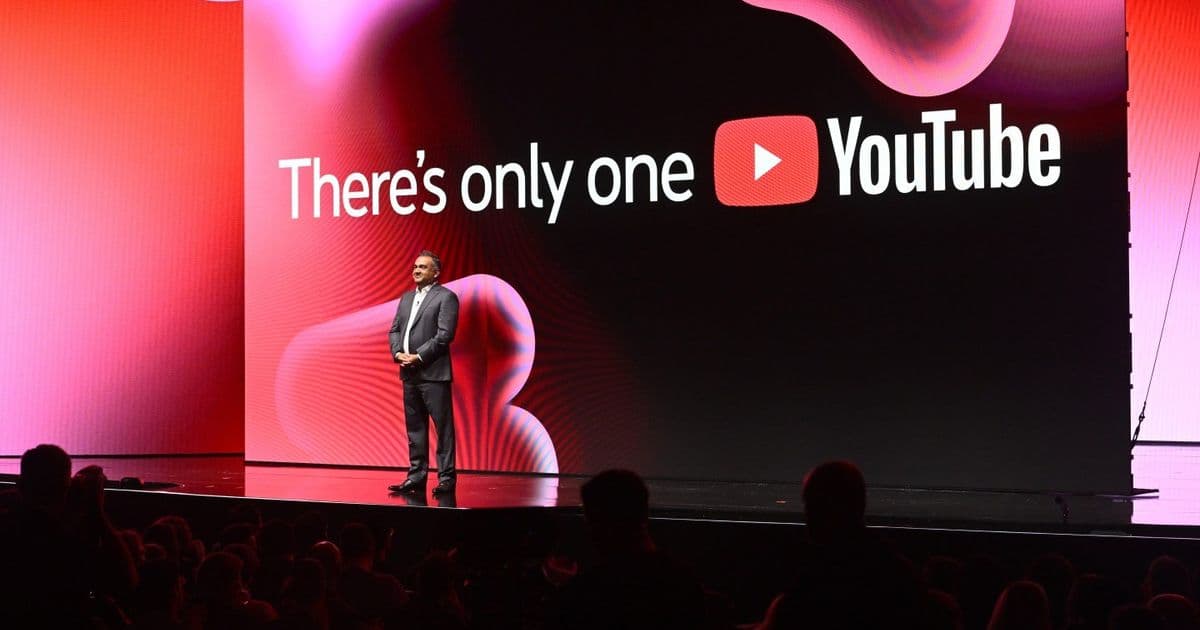
YouTube's 2025 revenue of $62B surpasses Disney's media business, marking a major shift in the entertainment landscape as streaming and user-generated content dominate.
YouTube has officially become the world's largest media company, surpassing Disney's media business with an estimated $62 billion in revenue for 2025, according to financial research firm MoffettNathanson. This milestone marks a significant shift in the entertainment industry landscape, with the Google-owned video platform outpacing Disney's $60.9 billion in media revenue.
This development represents more than just a financial achievement for YouTube. It signals a fundamental transformation in how audiences consume content and how media companies generate revenue in the digital age.
The Numbers Behind the Shift
The $62 billion figure for YouTube includes revenue from advertising, YouTube Premium subscriptions, and YouTube TV. This growth comes as traditional media companies have struggled with cord-cutting, declining cable subscriptions, and the challenges of transitioning to streaming models.
Disney, despite its vast portfolio of beloved franchises including Marvel, Star Wars, Pixar, and its extensive theme park operations, has seen its media business revenue overtaken by a platform built on user-generated content and independent creators.
What's Driving YouTube's Growth
Several factors have contributed to YouTube's dominance:
Creator Economy Explosion: The platform has cultivated millions of content creators who produce everything from short-form videos to long-form documentaries. This diverse content ecosystem attracts a broader audience than traditional media's more limited offerings.
Global Reach: YouTube operates in over 100 countries and supports 80 languages, giving it unprecedented global penetration compared to traditional media companies that often struggle with international expansion.
Ad Revenue Model: YouTube's sophisticated advertising algorithms and targeted ad capabilities have proven more effective than traditional TV advertising, attracting both large brands and small businesses.
Short-Form Content: The rise of YouTube Shorts has positioned the platform to compete directly with TikTok and Instagram Reels, capturing the growing demand for quick, engaging content.
Implications for the Entertainment Industry
This shift has profound implications for the entertainment industry:
Content Creation Democratization: YouTube has lowered barriers to entry for content creators, allowing anyone with a smartphone to potentially reach millions of viewers. This has disrupted traditional content production and distribution models.
Revenue Distribution: The platform's revenue-sharing model with creators has created a new class of media entrepreneurs, challenging the traditional studio system where profits were concentrated among a few major players.
Competition for Talent: As YouTube creators earn substantial incomes, traditional media companies face increased competition for talent, with many creators choosing the independence and potential upside of the YouTube platform over traditional media contracts.
Challenges and Criticisms
YouTube's rise hasn't been without controversy:
Content Moderation: The platform has faced ongoing criticism for its content moderation policies, balancing free expression with the need to combat misinformation, hate speech, and harmful content.
Creator Burnout: The pressure to constantly produce content to maintain audience engagement has led to creator burnout and mental health issues among popular YouTubers.
Algorithm Concerns: YouTube's recommendation algorithm has been criticized for promoting sensational or divisive content to maximize engagement and ad revenue.
What This Means for Disney and Traditional Media
Disney and other traditional media companies are responding to this new reality in several ways:
Streaming Investment: Disney has heavily invested in Disney+, its direct-to-consumer streaming service, though it still lags behind YouTube in overall revenue generation.
Content Strategy Shifts: Traditional media companies are increasingly focusing on content that performs well on social media platforms, including YouTube, to drive viewership and engagement.
Partnerships and Acquisitions: Some traditional media companies are exploring partnerships with popular YouTube creators or acquiring successful YouTube channels to tap into the platform's audience.
The Future of Media Consumption
YouTube's ascendance suggests several trends that will likely continue:
Personalization: AI-driven content recommendations will become increasingly sophisticated, further fragmenting the media landscape.
Mobile-First Content: As mobile viewing continues to grow, content optimized for small screens and on-the-go consumption will dominate.
Interactive and Community-Driven Content: The success of live streaming, community posts, and interactive features suggests audiences increasingly want to engage with content creators directly.
Industry Reactions
The financial community has taken note of this shift. MoffettNathanson's analysis highlights how traditional valuation metrics for media companies may need to be recalibrated to account for the dominance of platform-based media companies.
Some industry analysts predict that YouTube's lead will continue to grow, potentially reaching $70 billion in revenue by 2026, while traditional media companies struggle to find sustainable growth models in an increasingly digital landscape.
Conclusion
YouTube's emergence as the world's largest media company represents a watershed moment in entertainment history. It demonstrates how digital platforms can rapidly disrupt traditional industries and reshape how billions of people consume content.
The question now is whether traditional media companies can adapt quickly enough to compete in this new landscape, or whether we're witnessing the beginning of an era where platform-based media companies like YouTube, Netflix, and TikTok dominate the entertainment industry, while traditional studios and networks become increasingly marginalized.
What's clear is that the media consumption habits of younger generations, who have grown up with YouTube as their primary entertainment source, will continue to drive this transformation, potentially making YouTube's current position as the largest media company just the beginning of a much larger shift in the entertainment industry.
Comments
Please log in or register to join the discussion