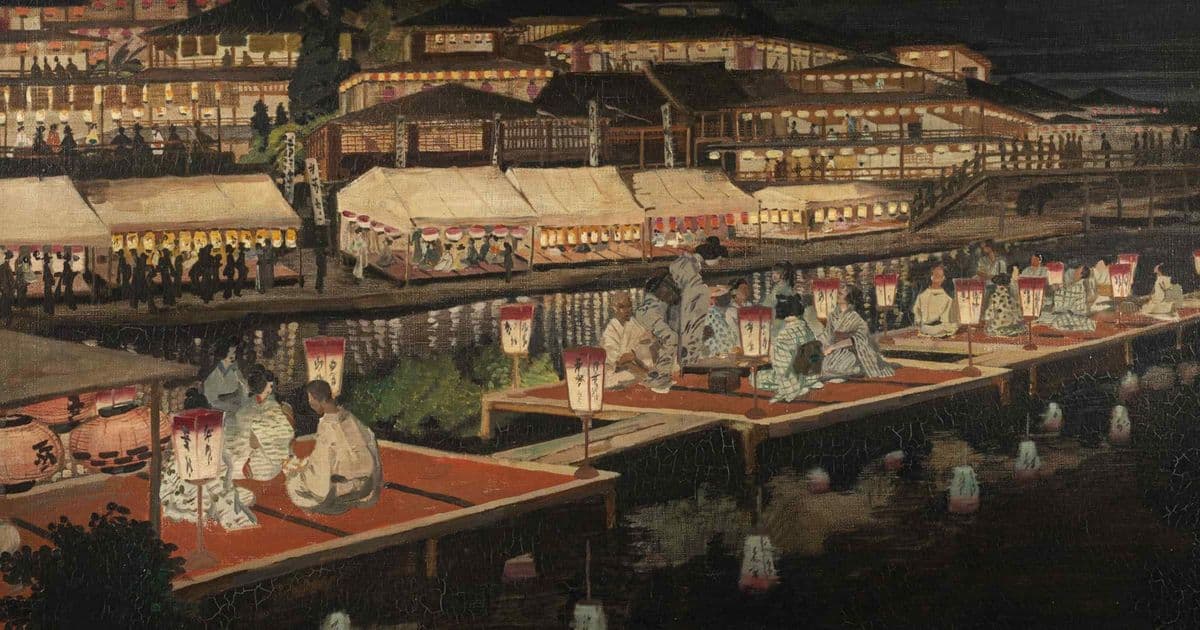
Swiss artist Karl Walser's 1908 portraits of Japan offer a unique Western perspective on the Meiji era, blending Eastern and Western artistic traditions.
A Swiss artist's portrait of Meiji-era Japan
The Artistic Encounter
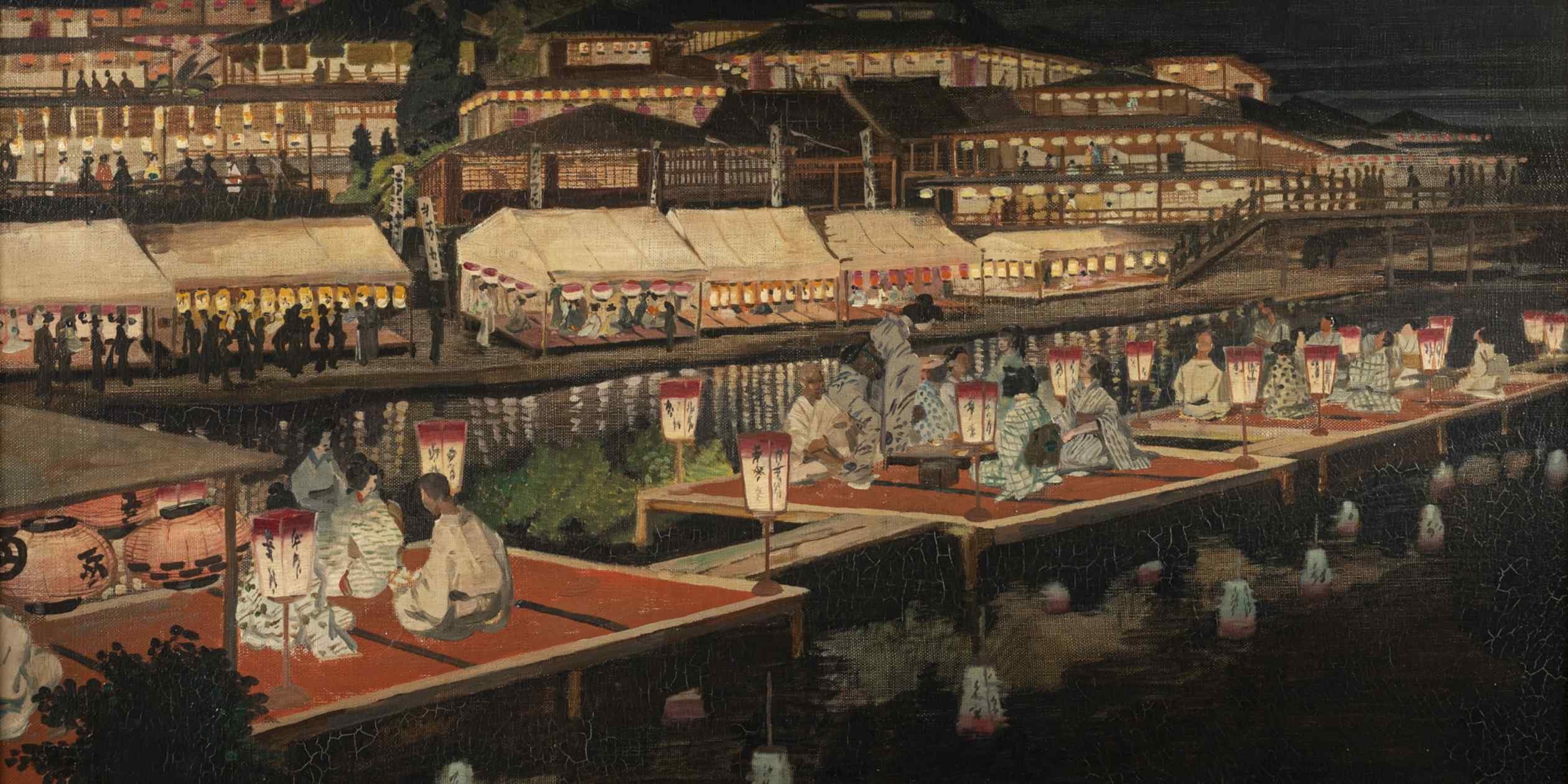
In 1908, Swiss artist Karl Walser embarked on a journey to Japan, where he immersed himself in the country's rich cultural tapestry. His subsequent portraits, now on display at the Tokyo Station Gallery, provide a fascinating glimpse into Meiji-era Japan through a Western lens.
Walser's Unique Perspective
Walser's work is characterized by a blend of Eastern and Western artistic traditions. His portraits capture the essence of Meiji-era Japan, from the bustling streets of Tokyo to the serene landscapes of Kyoto. His use of color and composition reflects his Swiss training, while his subject matter and attention to detail reveal his deep appreciation for Japanese culture.
The Meiji Era
The Meiji era, which spanned from 1868 to 1912, was a period of rapid modernization and Westernization in Japan. The Meiji government actively promoted the adoption of Western technology, industry, and culture, leading to significant changes in Japanese society.
Walser's Contribution
Walser's portraits offer a unique perspective on this transformative period. His work provides a window into the daily lives of ordinary Japanese people, as well as the grandeur of the imperial court and the beauty of Japan's natural landscapes.
Legacy
Walser's portraits are a testament to the power of art to bridge cultural divides. His work not only captures the essence of Meiji-era Japan but also highlights the enduring appeal of Japanese culture to Western artists.
Conclusion
Karl Walser's portraits of Meiji-era Japan are a valuable addition to the canon of art history. They offer a unique perspective on a transformative period in Japanese history and demonstrate the enduring appeal of Japanese culture to Western artists.
References
Comments
Please log in or register to join the discussion