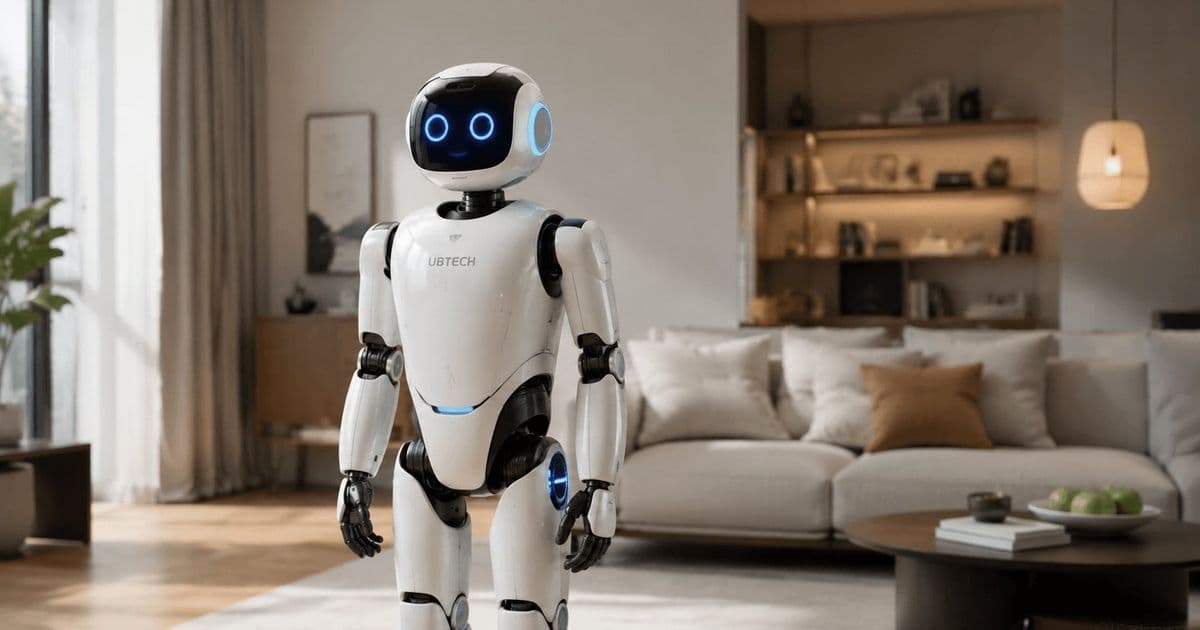
UBTECH's consumer humanoid robot pulled in nearly 4,000 pre-orders and over 10 million yuan in deposits within 10 days, suggesting real demand for home companion robots. The bigger story is what the company is leaving unsaid about capability and risk.
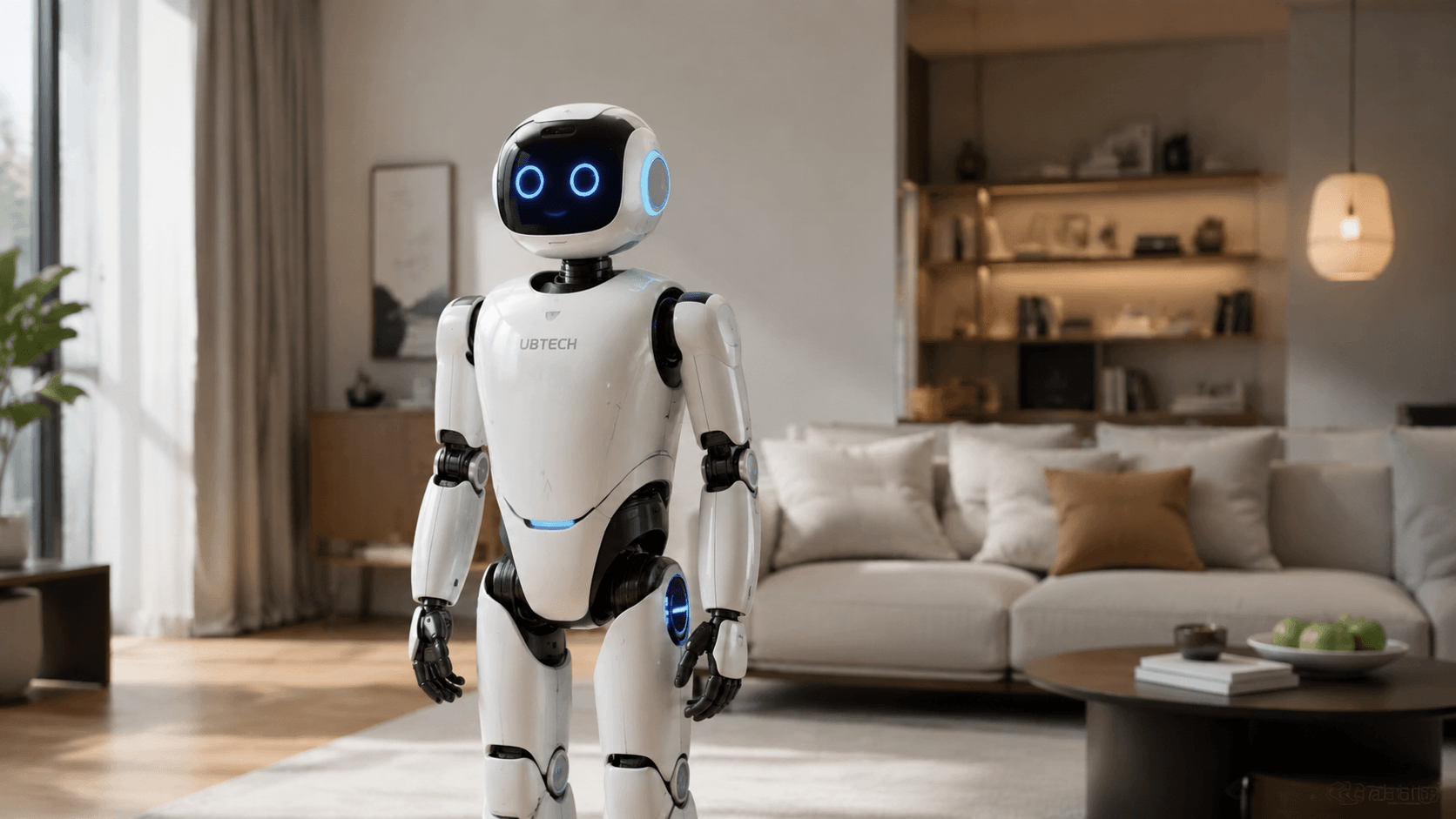
UBTECH's U1 humanoid companion robot hit nearly 4,000 pre-orders in 10 days, with deposits exceeding 10 million yuan (roughly $1.4 million USD). The Shenzhen-based robotics company is now scheduling a second production run to meet what it describes as unexpected demand for a full-size bipedal home companion robot.
This is a notable number for a product category that has struggled to move beyond prototypes and pilot programs. Consumer humanoid robots have been perpetually "five years away" for at least two decades. UBTECH is claiming real commercial traction with a product priced and positioned for household use, not factory floors or research labs.
What UBTECH Is Actually Selling
The U1 is a full-size bipedal humanoid designed for home companionship. According to the company, it includes an emotional AI model for natural conversation and adaptive interaction, locally encrypted memory for personalized user experiences, and extensive appearance customization options. The product is marketed strictly for adults and is scheduled to begin shipping June 30, 2026.
The emphasis on local encryption and offline processing for sensitive interactions is a deliberate response to privacy concerns that have plagued always-on AI devices. UBTECH is positioning the U1 as a companion that keeps your data on the device, not in the cloud. That is a meaningful differentiator in a market where every smart speaker and AI assistant has become a surveillance anxiety trigger.
What's New, What's Not
The hardware specs matter less than the business model signal here. Consumer humanoid robots have been stuck in a loop of impressive demonstrations and failed commercial launches. Hanson Robotics' Sophia generated headlines for years without producing a viable consumer product. UBTECH's own earlier models, like the Walker series, were enterprise-focused.
What makes the U1 different is the explicit consumer play with a pre-order model that is generating real revenue before shipping. Four thousand pre-orders at whatever deposit level produced 10 million yuan suggests either aggressive pricing or genuine consumer conviction. That is the kind of market validation that investors and competitors will pay attention to.
The emotional AI component is where skepticism is warranted. Every AI companion company claims natural conversation and adaptive interaction. The gap between a marketing claim and a robot that can sustain meaningful interaction over weeks and months in a home environment is enormous. Large language models have improved conversational quality dramatically, but long-term personalization and emotional consistency remain unsolved problems.
The Ethical Backdrop
Ethics researchers have raised concerns about the U1 that are worth taking seriously. Emotional attachment to AI companions is not hypothetical. Research on attachment to chatbots and voice assistants shows that people form genuine emotional bonds with conversational AI, even when they understand the technology is artificial.
The societal implications of normalizing intimate relationships with machines extend beyond individual users. If companion robots become common, the downstream effects on human relationships, social development, and psychological health are unpredictable at scale.
UBTECH's privacy safeguards, including offline processing and user-controlled data management, address part of the concern. But data privacy and emotional risk are separate problems. A robot that never sends your conversations to the cloud can still create psychological dependence.
Limitations and Open Questions
The pre-order numbers are promising, but several critical questions remain unanswered:
Actual capability: UBTECH has not published detailed specifications on the U1's conversational ability, physical dexterity, or autonomous behavior. Pre-orders are based on marketing materials, not independent reviews.
Shipping timeline: The June 30 date is ambitious for a consumer humanoid robot. Hardware production at scale with consistent quality is notoriously difficult. The second production run suggests confidence, but it could also mean the first batch was undersupplied by design to create scarcity perception.
Pricing and total cost: Deposit amounts do not reveal the full price. Consumer humanoid robots face a fundamental cost problem. The actuators, sensors, and compute required for capable bipedal movement and real-time conversation are expensive. If the U1 is priced as a premium product, 4,000 units is a niche success, not mass market validation.
Regulatory environment: Consumer robots with emotional AI and memory functions operate in a regulatory gray zone in most markets. China's approach to AI regulation may differ from the EU or US, which could affect international expansion.
Long-term support: A companion robot that stops receiving software updates after two years becomes an expensive paperweight. UBTECH's commitment to ongoing development and support will determine whether the U1 is a product or a platform.
The Bigger Picture
The U1's reception will be watched closely by every robotics company considering a consumer play. If UBTECH ships on time, at scale, with a product that delivers on even a fraction of its promises, it will validate a market that has been theoretical for years.
If the product underdelivers or the ethical backlash gains traction, it could set the category back. The humanoid robot industry has been burning credibility on demonstrations for years. A commercial failure at this visibility level would be damaging.
The pre-order numbers are real. The product is not shipping yet. That gap is where the actual story lives.
Comments
Please log in or register to join the discussion