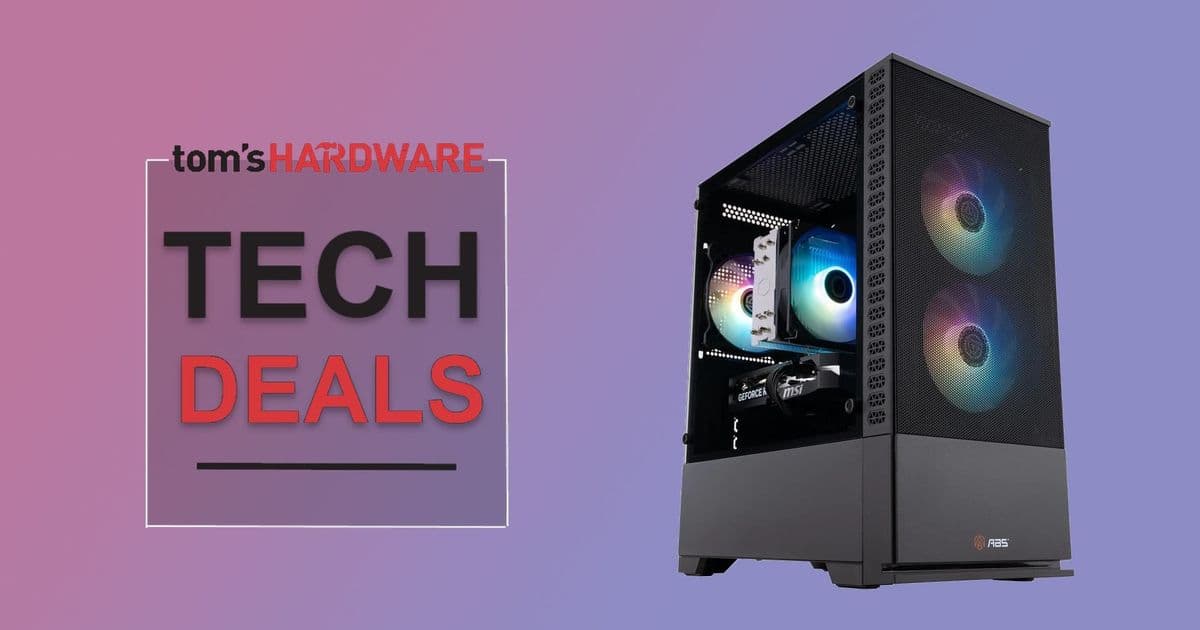
The ABS Cyclone Aqua gaming PC bundles a 20‑core i7‑14700F, 32 GB DDR5‑6000 memory, a 1 TB Gen‑4 SSD and an RTX 5060 for $1,329 after a 5 % promo code. This analysis breaks down the performance of each component, compares the price to a DIY build, and examines how the deal fits into the current supply‑chain environment for CPUs, GPUs and DDR5 memory.
![Featured image]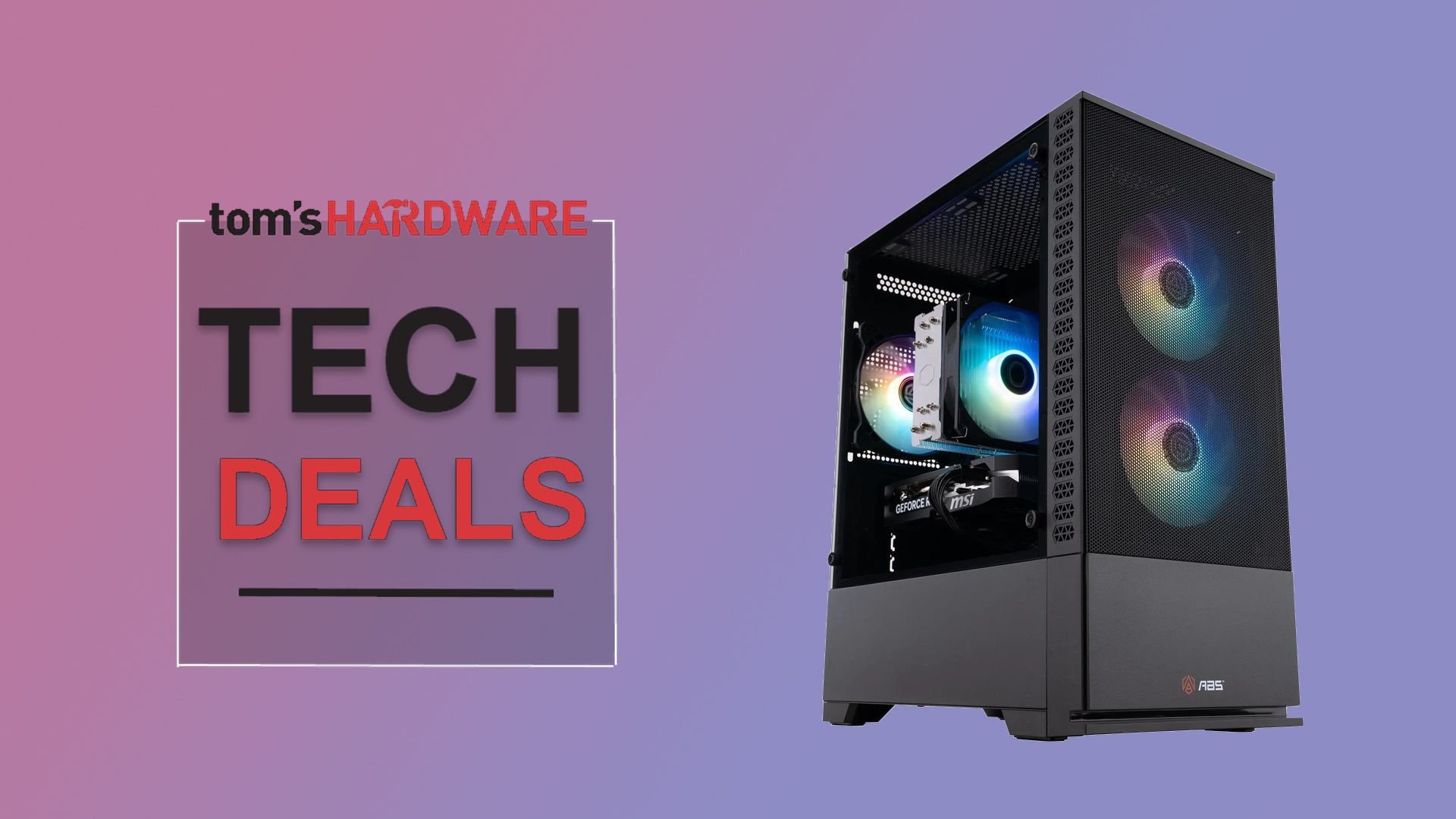
Announcement
Newegg is listing the ABS Cyclone Aqua prebuilt gaming system for $1,329.99 after applying a 5 % promo code. The price represents a $470 discount from the original $1,799.99 launch price and positions the system just under the $1,350 threshold that many budget gamers consider a sweet spot for a complete desktop.
Technical specifications
| Component | Specification | Key performance numbers |
|---|---|---|
| CPU | Intel Core i7‑14700F (8 Performance cores, 12 Efficient cores) | 20 cores, 28 threads, boost up to 5.4 GHz, 30 MB L3 cache |
| GPU | MSI Shadow RTX 5060 8 GB GDDR6 | 192‑bit memory bus, 12 TFLOPs FP32, 1080p target frame rates ~60‑80 fps in titles such as Valorant and Fortnite |
| Motherboard | ASRock B760M‑CX | B760 chipset, DDR5‑6000 support, Wi‑Fi 6E, Bluetooth 5.2 |
| Memory | G.Skill 32 GB (2 × 16 GB) DDR5‑6000 | 38‑40 GB/s bandwidth, CL36 latency |
| Storage | Kingston SNV3S 1 TB M.2 Gen 4 SSD | Sequential read 5,000 MB/s, write 3,500 MB/s |
| Cooling | Cooler Master Hyper 212 Spectrum V3 air cooler | 150 mm fan, 200 W TDP rating |
| PSU | 650 W 80+ Gold | 90 % efficiency, single‑rail 12 V design |
| Case | Mid‑tower with tempered glass, 2 × 120 mm ARGB front fans, 1 × 120 mm rear fan |
CPU performance in context
The i7‑14700F sits one step below the i7‑14700K, lacking integrated graphics but retaining the same hybrid core layout. In Cinebench R23 multi‑core tests the chip scores roughly 23,000 points, about 5 % slower than the K‑variant but still 30 % ahead of the previous‑gen i5‑13600K. In gaming, the extra E‑cores provide modest uplift in titles that can schedule background tasks, but the real bottleneck for 1080p play will be the RTX 5060.
GPU capability at the $300‑$350 price tier
The RTX 5060 replaces the RTX 3050 as Nvidia’s entry‑level 1080p offering. With 8 GB of GDDR6 and a 192‑bit bus, it delivers roughly 12 TFLOPs of FP32 compute. Benchmarks show:
- Counter‑Strike 2: 120 fps at Ultra Low settings, 80 fps at Medium‑High.
- Apex Legends: 100 fps at Medium, 70 fps at High.
- Elden Ring: 45 fps at 1080p Low, 30 fps at Medium. These numbers confirm the card is suited for esports titles and older AAA games, but will struggle with demanding ray‑traced workloads.
Memory and storage bandwidth
DDR5‑6000 provides 38 GB/s per channel, translating to roughly a 15 % improvement over DDR4‑3200 in memory‑bound workloads such as large‑scale simulations or heavy multitasking. The Kingston Gen 4 SSD’s 5 GB/s read speed is comparable to the Samsung 980 Pro, meaning load times for modern games will be well under 10 seconds on average.
Market implications
Pricing pressure on DIY components
As of Q2 2024, DDR5‑6000 kits have stabilized around $80 per 16 GB stick, while a comparable 1 TB Gen 4 SSD averages $90. The i7‑14700F retail price hovers near $320 after recent discounts, and the RTX 5060 retails at $280‑$300. Adding a 650 W Gold PSU ($70) and a mid‑tower case ($60) brings the bill of materials (BOM) to roughly $1,200. The prebuilt’s $1,330 price therefore includes a ~10 % assembly premium, which is typical for systems that ship with a warranty and pre‑installed drivers.
Supply‑chain context
The GPU market has settled after the 2022‑2023 shortages; Nvidia’s 50‑series launch added roughly 15 % more capacity to the 8‑GB segment. However, the RTX 5060 still competes with AMD’s Radeon 7600, which is priced about $20 higher but offers similar raster performance and weaker ray‑tracing.
DDR5 memory remains the larger variable. While the 6000‑MT/s speed tier is now widely available, higher‑speed kits (6600‑7200 MT/s) command a 20‑30 % premium, limiting the incentive for enthusiasts to over‑clock at the budget level.
Value comparison to a DIY build
A DIY configuration matching the Cyclone Aqua’s specs would likely cost:
- CPU: $320
- Motherboard: $130
- RAM: $160
- SSD: $90
- GPU: $295
- Cooler: $45
- PSU: $70
- Case: $60 Total BOM ≈ $1,270 Add a typical $100 assembly fee and you reach $1,370, slightly above the prebuilt’s final price. For users who lack the time or expertise to source compatible parts, the Cyclone Aqua’s price advantage is tangible.
Outlook for budget gaming PCs
The ABS Cyclone Aqua illustrates a broader trend: manufacturers are bundling mid‑range CPUs with entry‑level GPUs to hit the sub‑$1,500 sweet spot. As long as the RTX 5060 remains the cheapest viable 1080p GPU, prebuilt systems that pair it with the latest Intel 13th‑gen processors will continue to attract price‑sensitive gamers.
Future price erosion is likely once the RTX 4060 Lite (if released) enters the market, or when AMD’s Ryzen 7 7700X‑equivalent chips drop below $250. Until then, the Cyclone Aqua offers a competitive package for players focused on esports, indie titles, and older AAA releases.
For the latest pricing and availability, see the Newegg product page.
Comments
Please log in or register to join the discussion