AI's growing power demands and reduced need for London proximity are driving UK datacenters to relocate beyond the capital, with new AI Growth Zones and energy incentives encouraging expansion into regions like Scotland and northern England.
The UK's datacenter landscape is undergoing a significant transformation as artificial intelligence reshapes where and how computing infrastructure is deployed across Britain. London, long the undisputed center of the country's server farm ecosystem, is seeing its dominance challenged by a combination of power constraints, planning limitations, and changing technological requirements.
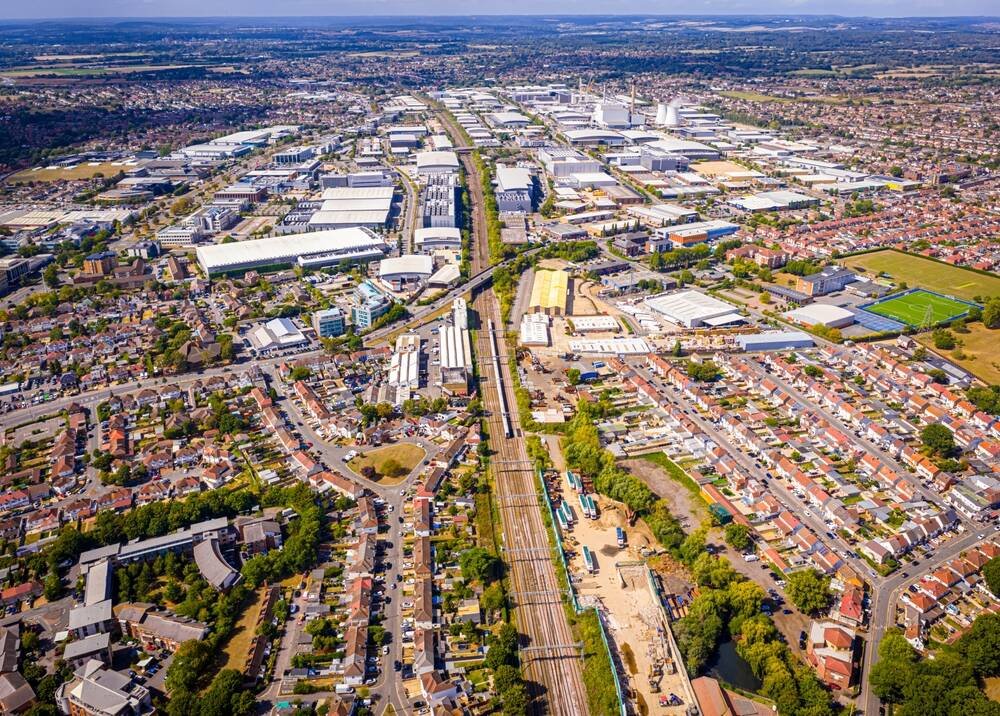
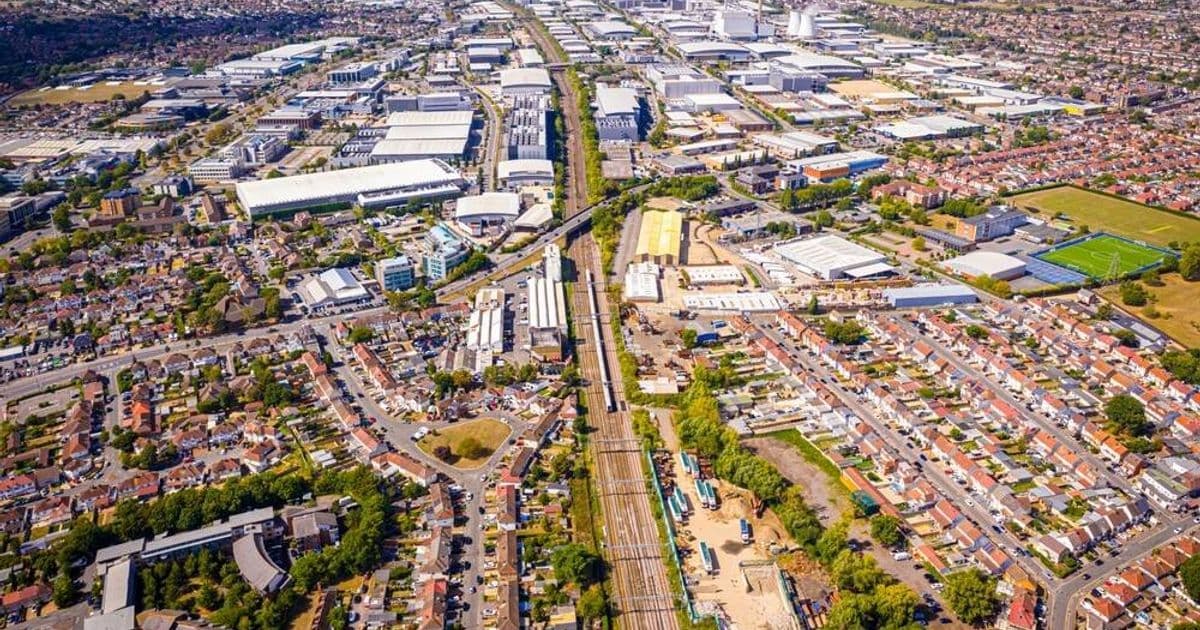
For years, London has been the gravitational center for UK datacenters, with over 80 percent of the nation's total capacity concentrated in the capital and its surrounding areas. The Greater London region, including outlying areas like Slough, Redhill, and Hayes, hosts more than 200 datacenters. Slough alone reportedly contains up to 35 facilities, while Heathrow airport has emerged as another major hub.
However, this concentration is becoming increasingly problematic. West London is "beginning to reach saturation point," according to cloud and colocation provider Pulsant, with both land availability and electrical grid capacity reaching their limits. The competition for power resources has intensified as datacenters and housing projects vie for the same electrical infrastructure.
The rise of AI workloads is fundamentally changing the calculus for datacenter location decisions. Unlike traditional financial services applications that require ultra-low latency connections to the City of London, many AI use cases can tolerate higher latency. This shift means that factors like land availability and grid access are now trumping proximity to the capital for operators planning new AI infrastructure.
"A lot of organizations still default to London in early planning, then run into delivery friction," explained Pulsant chief marketing officer Mark Lewis. "AI has made the power question impossible to defer. The smart move is to start with the workload, the latency tolerance and the power profile, then choose the geography that can deliver on those constraints."
The UK government is actively encouraging this geographic diversification through its AI Opportunities Action Plan, which aims to position Britain at the forefront of AI development while driving economic recovery. A key component of this strategy involves creating AI Growth Zones built around datacenter campuses, offering streamlined planning processes and priority grid access to operators who locate in these designated areas.
To address the power availability challenges, the Department for Science, Innovation and Technology (DSIT) has proposed targeted pricing support – effectively energy discounts – to incentivize operators to establish facilities where electrical capacity exists. This approach recognizes that there are significant mismatches between electricity generation capacity in some UK regions and the grid's ability to transmit that power elsewhere.
Scotland's abundant wind power resources serve as a prime example of this mismatch. The region often generates more renewable energy than its transmission infrastructure can deliver to population centers, creating an opportunity for datacenters to locate in Scotland and the north of England, where they can harness this local generation and potentially reduce overall system costs.
This geographic redistribution represents a pragmatic response to the challenges facing London's datacenter ecosystem rather than an abandonment of the capital. Pulsant emphasizes that the goal is not to eliminate London's role but to recognize that concentrating all infrastructure in one region creates vulnerabilities as power becomes increasingly contested and AI workloads continue to expand.
The shift away from London comes amid broader concerns about the sustainability of current AI infrastructure trends. The UK's Science, Innovation and Technology Committee has launched an inquiry into whether emerging low-energy compute architectures could help address the spiraling power demands driven by AI development.
These concerns are not unique to the UK. Just this month, ChatGPT developer OpenAI suspended plans for a planned Stargate server farm project in the UK, citing high energy costs and regulatory challenges. The Institute of Economic Affairs reports that UK electricity prices are among the highest in the world, approximately four times higher than those in the United States.
The transformation of Britain's datacenter geography reflects a broader recognition that the infrastructure supporting the AI revolution must evolve to address practical constraints around power, land, and environmental sustainability. As AI continues to reshape the technological landscape, it's also reshaping the physical infrastructure that makes it possible, potentially leading to a more distributed and resilient computing ecosystem across the United Kingdom.
Comments
Please log in or register to join the discussion