
Amazon's massive acquisition of Globalstar brings crucial spectrum licenses and satellite technology to Project Kuiper, positioning it as a serious competitor to SpaceX's Starlink while securing Apple's partnership in the process.
Amazon has made a bold move in the satellite internet race, agreeing to pay over $11.5 billion to acquire Globalstar, a deal that brings more than just additional satellites to its Project Kuiper constellation. While the acquisition only adds about 24 operational satellites to Amazon's existing 241, the real value lies in the spectrum licenses, intellectual property, and strategic partnerships that come with the venerable mobile satellite services operator.
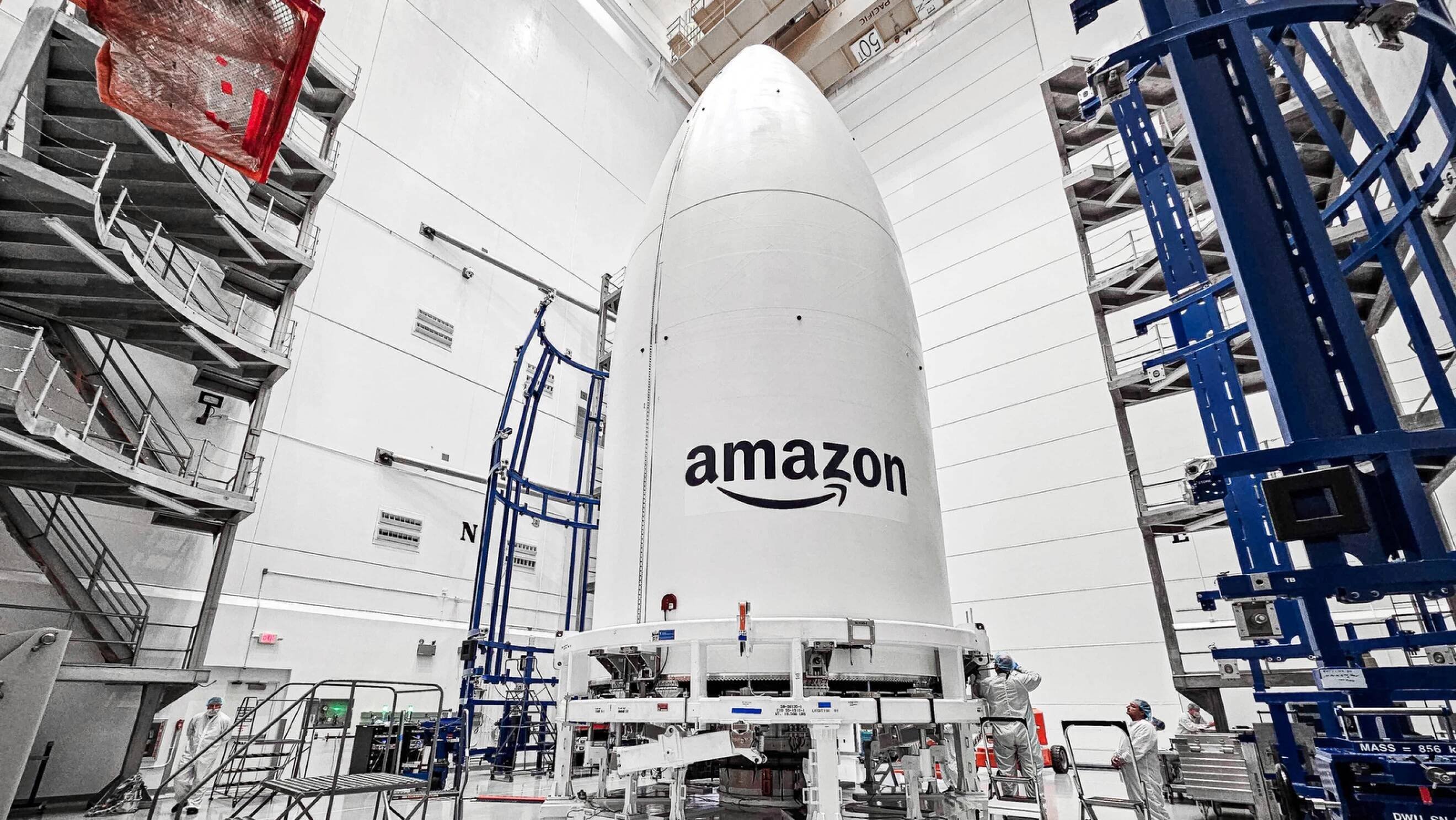
The deal represents Amazon's most significant step yet in its quest to challenge Elon Musk's Starlink, which currently boasts roughly 10,000 satellites in orbit and vastly superior network capacity. Despite the relatively modest increase in satellite count, Amazon gains exclusive access to Globalstar's Band 53 spectrum (2483.5 to 2495 MHz), which is specifically optimized for high-performance, direct-to-device communication. This spectrum is particularly valuable for extending coverage beyond traditional cell towers and enabling seamless connectivity wherever compatible satellites are overhead.
Globalstar's technology portfolio, built over three decades since its founding in 1991, includes innovations that Amazon hopes will accelerate its entry into the direct-to-device space where Starlink is already making significant inroads. The acquisition also resolves potential regulatory hurdles, as Globalstar's existing spectrum licenses provide Amazon with a clearer path to market without the protracted battles it has previously faced with SpaceX over similar rights.
Perhaps most crucially, the deal secures Amazon's relationship with Apple, which owns a 20 percent stake in Globalstar and relies on its satellite network for the emergency SOS feature on iPhone and Apple Watch devices. Amazon has committed to continuing support for these existing services while exploring future collaboration opportunities using the expanded Project Kuiper network. Apple stands to benefit significantly from the transaction, with its stake valued at approximately $90 per share upon deal closure.
The acquisition comes at a pivotal moment in the satellite internet industry, with competitors racing to establish market dominance. While Project Kuiper has yet to begin commercial service due to not reaching critical satellite mass, the Globalstar deal provides Amazon with the technological foundation and spectrum rights needed to accelerate its timeline. The company plans to operate Globalstar as a subsidiary post-acquisition, maintaining continuity in services while integrating the technology into its broader satellite strategy.
Industry analysts view this as a strategic necessity for Amazon, which has been playing catch-up to Starlink's established infrastructure and market presence. The deal not only provides immediate technological advantages but also positions Amazon to compete more effectively in the emerging direct-to-device communication market, where the ability to connect smartphones directly to satellites without specialized hardware is becoming increasingly important.
As the satellite internet landscape continues to evolve, Amazon's $11.5 billion investment signals its determination to be a major player in this space. While it still faces significant challenges in matching Starlink's scale and capabilities, the Globalstar acquisition provides the company with crucial assets and partnerships that could prove decisive in the years to come. The deal is expected to close next year, marking a new chapter in the competitive dynamics of global satellite internet provision.
Comments
Please log in or register to join the discussion