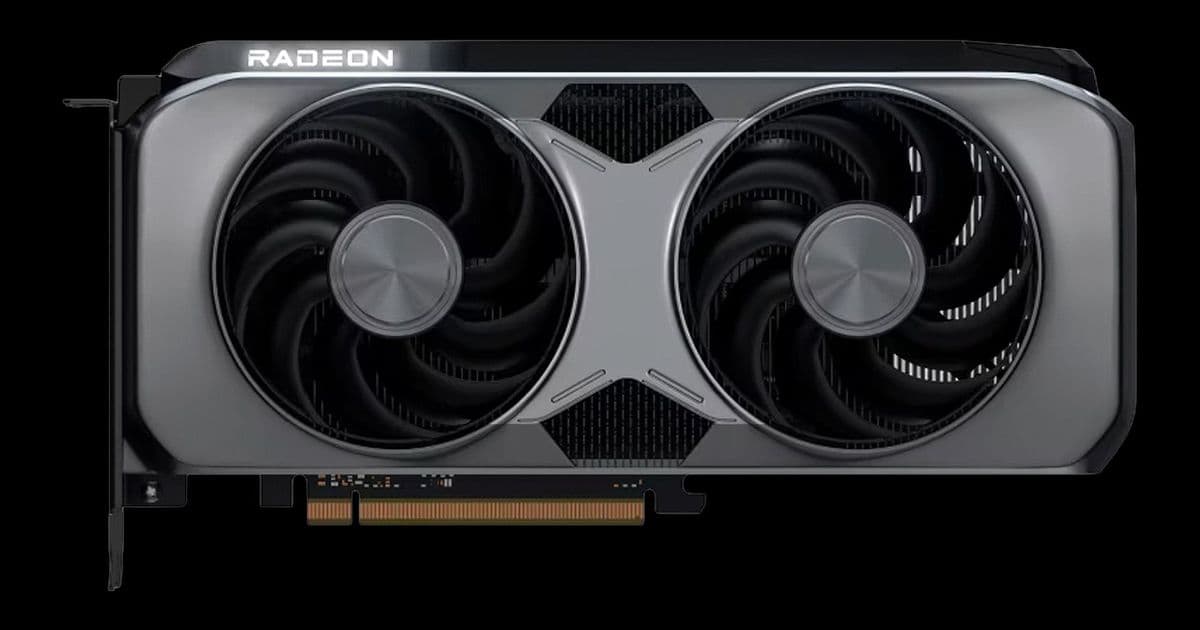
AMD is bringing its China-exclusive Radeon RX 9070 GRE graphics card to global markets on June 2, priced at $549. The RDNA 4 GPU features 48 Compute Units and 12GB of GDDR6 memory, strategically positioned between the RX 9060 XT and RX 9070 in AMD's lineup amid ongoing memory supply constraints.
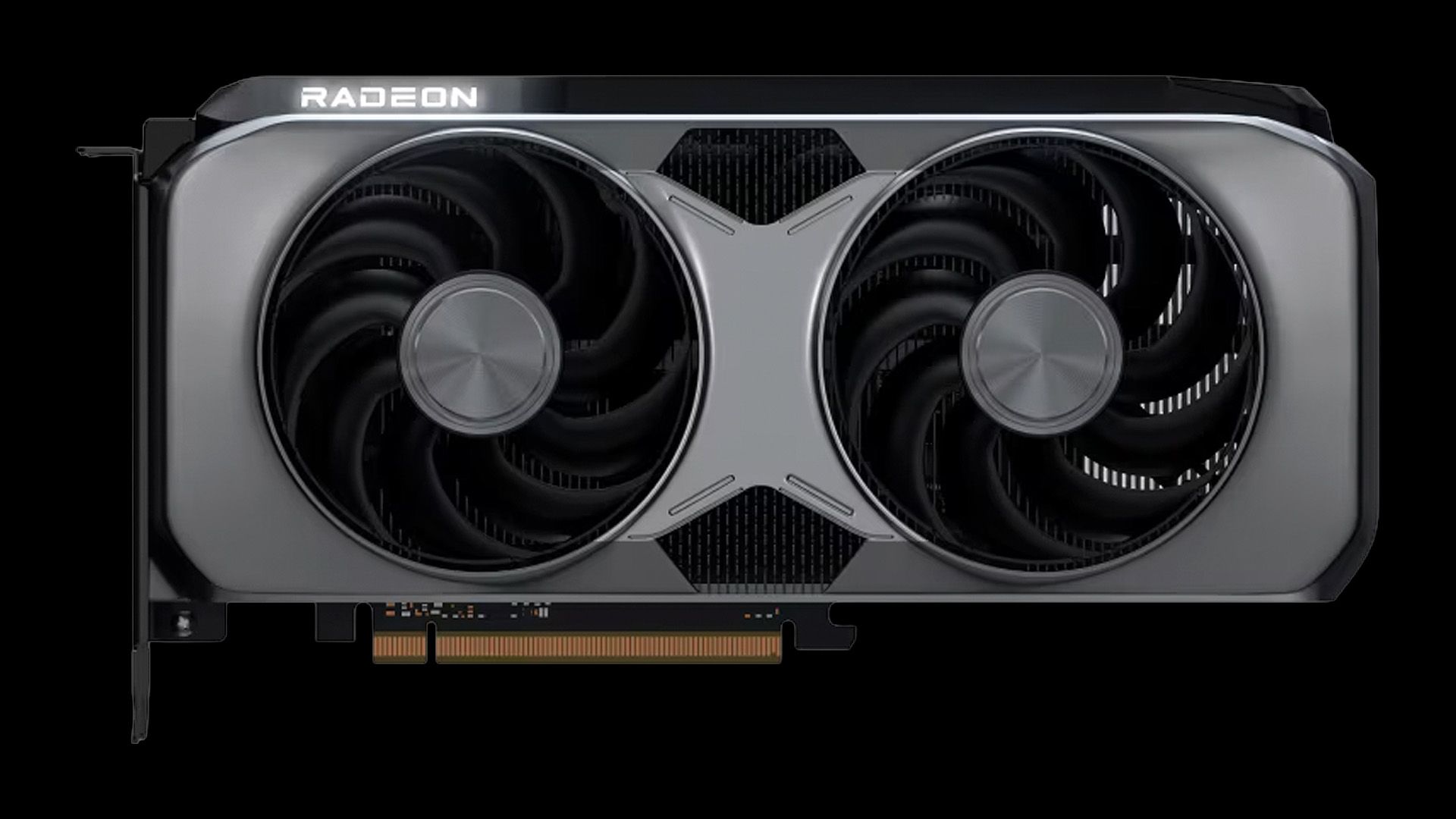
AMD is strategically expanding its Radeon RX 9000 series by making the previously China-exclusive Radeon RX 9070 GRE available to global markets on June 2, with a retail price of $549. This move represents the chipmaker's tactical response to current market conditions, particularly the ongoing memory shortage that has created pricing gaps in the mid-range GPU segment.
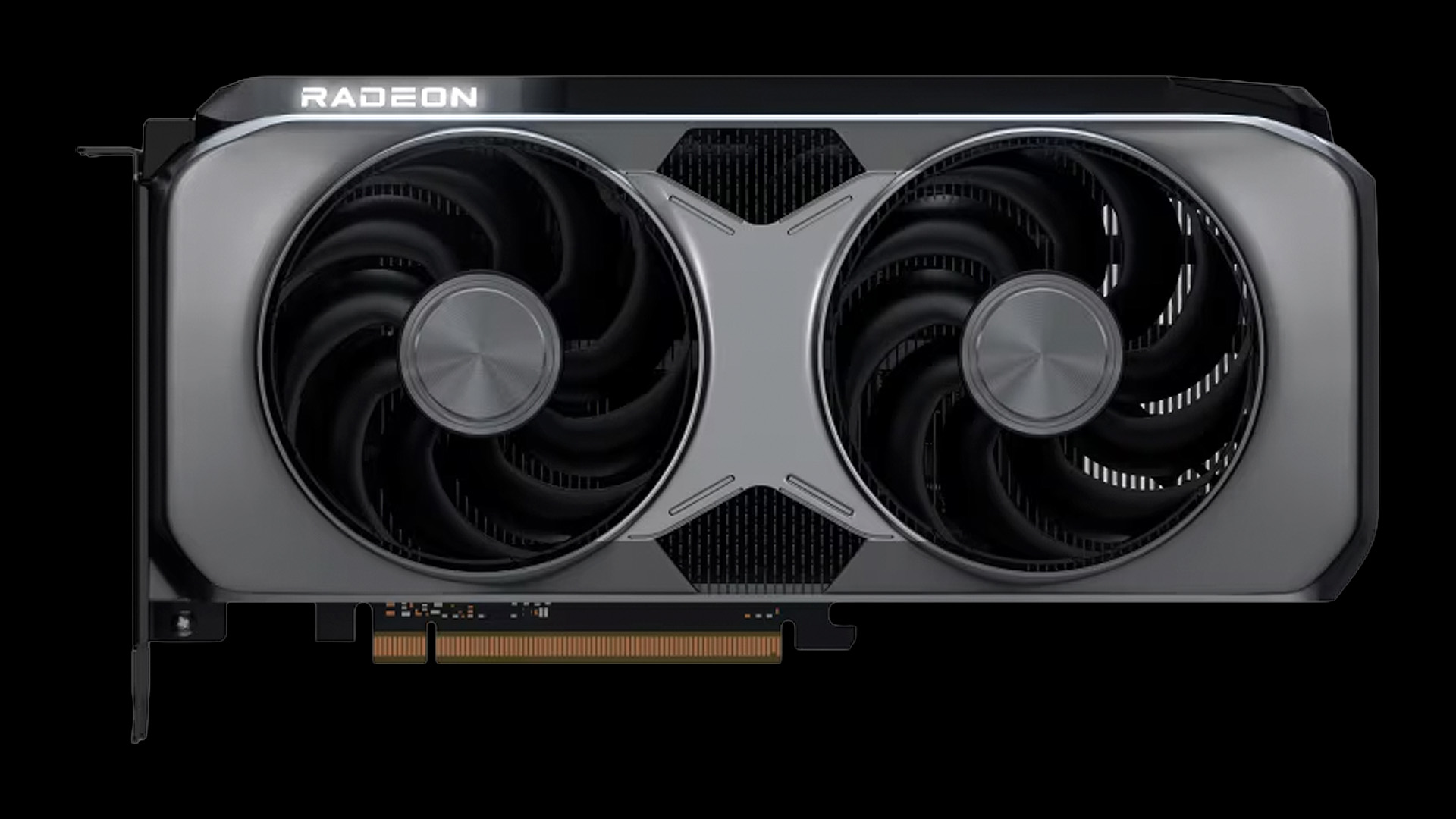
At its core, the Radeon RX 9070 GRE utilizes the same 4nm Navi 48 silicon found in the standard Radeon RX 9070 and the higher-end Radeon RX 9070 XT. The primary differentiator among these models lies in the number of enabled Compute Units (CUs), which directly impacts graphical performance. While the RX 9070 and RX 9070 XT feature 56 and 64 RDNA 4 CUs respectively, the RX 9070 GRE is configured with 48 CUs—representing a 14% reduction compared to the standard RX 9070 and approximately 25% fewer than the RX 9070 XT.
This configuration reflects AMD's silicon utilization strategy. The RX 9070 typically recovers silicon that doesn't meet the stringent requirements for the RX 9070 XT. The RX 9070 GRE takes this process further by utilizing silicon that doesn't fully meet the specifications of the standard RX 9070, maximizing yield from each silicon wafer.
The memory subsystem further differentiates the RX 9070 GRE from its more powerful siblings. It comes equipped with 12GB of GDDR6 memory, which represents a 25% reduction in capacity compared to the 16GB found in both the RX 9070 and RX 9070 XT. Additionally, the RX 9070 GRE employs a narrower 192-bit memory interface, whereas the other models use wider memory buses. This architectural limitation restricts the RX 9070 GRE's maximum memory bandwidth to 432 GB/s, which is 32.5% lower than its counterparts.
Despite these scaled-back specifications, the RX 9070 GRE maintains a 220W TDP (thermal design power), identical to the standard RX 9070. According to AMD's internal testing, the card delivers, on average, 21% higher gaming performance than the GeForce RTX 5060 Ti 16GB in 1440p gaming scenarios. These tests were conducted across 40 different games using a high-end system powered by a Ryzen 7 9800X3D processor.
Independent reviews from Chinese technology publications have largely confirmed AMD's performance claims, showing the RDNA 4 graphics card outperforming the GeForce RTX 5060 Ti 16GB while falling short of the GeForce RTX 5070. This performance positioning creates a strategic gap in AMD's product stack, bridging the space between the RX 9060 XT and the RX 9070.
The RX 9070 GRE will debut globally at $549, essentially matching the original MSRP of the RX 9070 and RTX 5070. However, due to ongoing memory supply constraints, both the RX 9070 and RTX 5070 have seen their prices increase to around $599 or higher. This price inflation has created a significant market opportunity for a sub-$550 graphics card, which the RX 9070 GRE aims to fill.

This strategic move by AMD demonstrates the company's adaptability to current market conditions. Rather than developing an entirely new architecture or product to compete directly with NVIDIA's offerings, AMD is leveraging an existing SKU and adjusting its market positioning. This approach allows the company to address immediate market demands while optimizing its silicon yields and production efficiency.
The global launch of the RX 9070 GRE also highlights AMD's continued focus on the mid-range GPU segment, which represents the largest market share in the discrete graphics card space. By offering competitive performance at a lower price point, AMD aims to capture budget-conscious gamers who seek 1440p gaming experiences without paying premium prices.
As the semiconductor industry continues to navigate supply chain challenges and shifting consumer demands, AMD's strategy of product segmentation and silicon optimization will likely play an increasingly important role in maintaining market competitiveness. The RX 9070 GRE serves as a case study in how semiconductor companies can adapt their product strategies to address immediate market conditions while maintaining long-term technological roadmaps.
Comments
Please log in or register to join the discussion