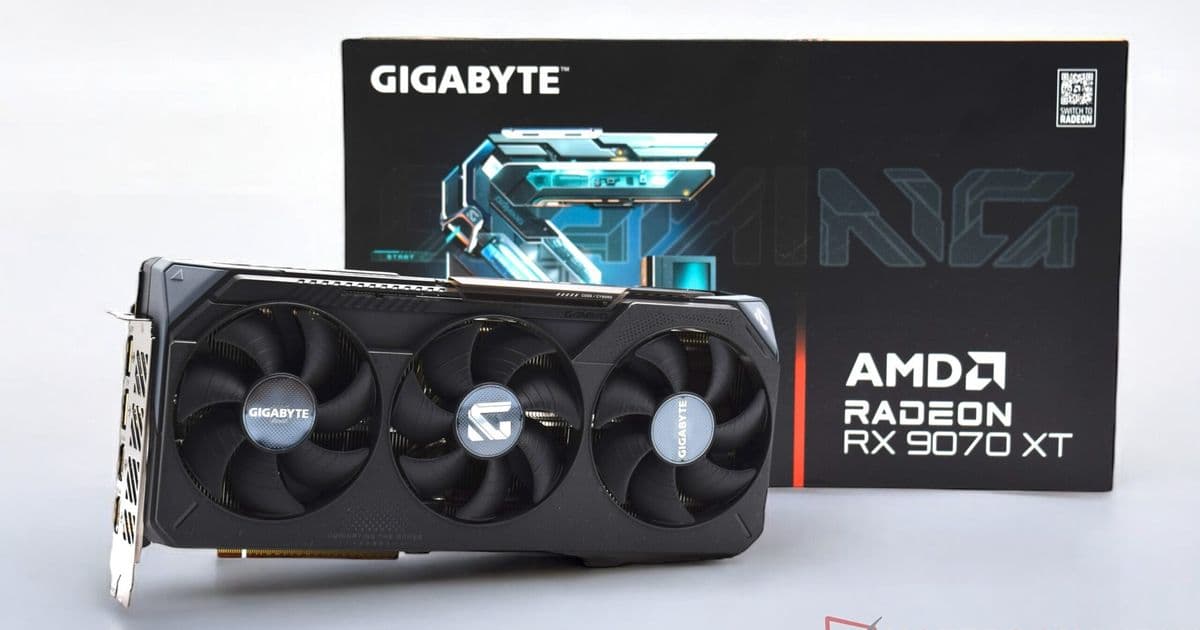
Japanese retailers slash prices on AMD's Radeon RX 9060 XT and RX 9070 XT GPUs by up to 20% as consumer resistance to inflated pricing triggers rare market correction.
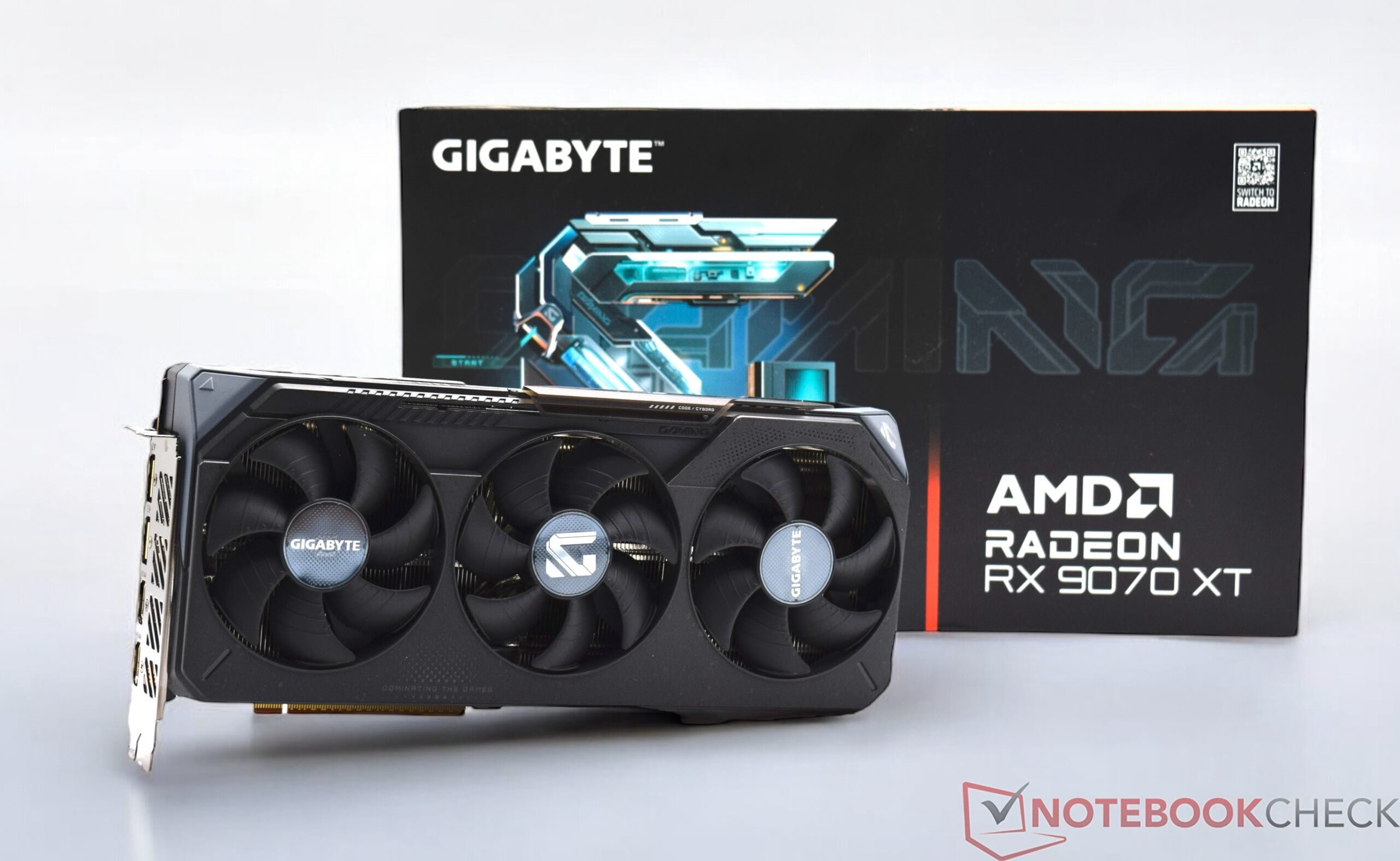
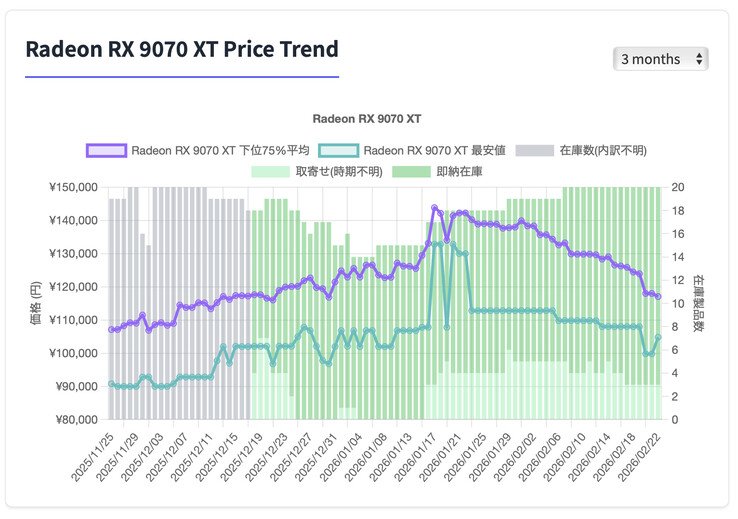
While global GPU markets grapple with relentless price hikes fueled by AI demand and supply constraints, Japan presents a surprising anomaly. Recent data reveals significant price reductions on AMD's latest Radeon RX 9000-series graphics cards, with the RX 9060 XT falling 20% from January peaks and the flagship RX 9070 XT dropping 15%. This correction follows a period where scarcity-driven inflation pushed Japanese prices up to 45% above December 2025 levels, demonstrating how consumer behavior can influence market dynamics.
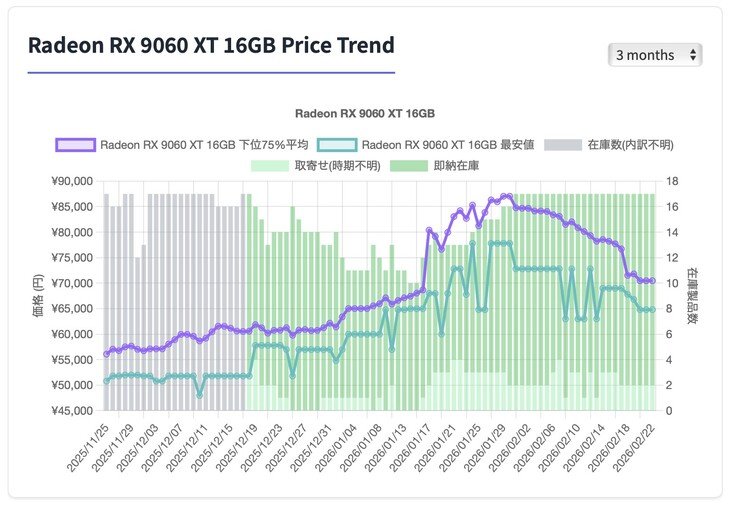
The reversal stems directly from buyer resistance. When retailers raised Radeon RX 9060 XT and RX 9070 XT prices throughout January 2026—peaking at nearly half again above MSRP—Japanese gamers responded by halting purchases. Tracking firm GAZ:log confirms this demand collapse forced retailers to reduce prices substantially over recent weeks. The RX 9060 XT now sits roughly 20% below its January high, while the RX 9070 XT has retreated by about 15%. Both cards remain above AMD's original $600 and $800 MSRPs respectively, but the downward momentum offers tangible relief.
Notably, this trend diverges sharply from global patterns. While Nvidia's GeForce cards face ongoing shortages and inflated pricing worldwide—pushing budget-conscious gamers toward AMD alternatives—Japan's localized correction highlights how regional markets react differently to price sensitivity. The RX 9060 XT and RX 9070 XT both utilize 16GB of GDDR6 memory, and rising DRAM costs threaten future stability. Memory module prices have climbed steadily through 2026, and further increases could erase Japan's gains. This makes the current dip a temporary opportunity rather than a lasting trend.
For Japanese gamers, these reductions provide a rare window for value. The RX 9060 XT delivers solid 1440p performance at a more accessible cost, while the RX 9070 XT remains competitive for 4K gaming. However, buyers should monitor DRAM market fluctuations and recognize that similar corrections seem unlikely elsewhere soon. Japan's unique response to inflated pricing demonstrates that consumer pushback can influence retailer behavior, even amid broader industry pressures.
Comments
Please log in or register to join the discussion