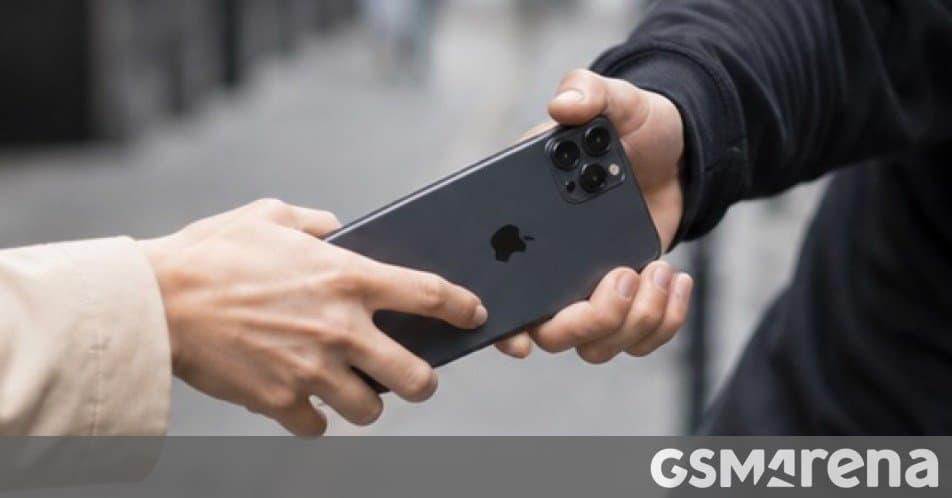
Apple is prototyping a theft‑prevention system that uses the iPhone’s motion sensors to auto‑lock the device when a sudden snatching motion is detected, while employing location and Wi‑Fi checks to avoid false triggers.
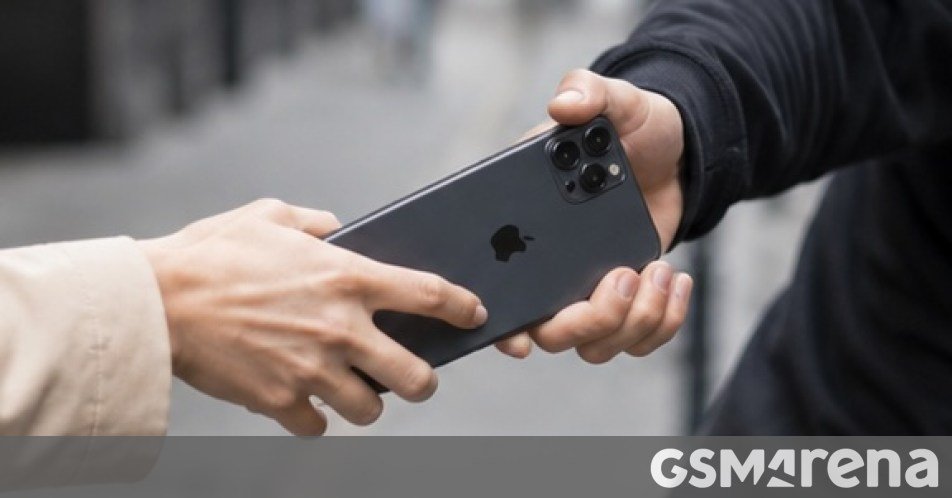
Apple is reportedly working on a new anti‑snatch feature that would automatically lock an iPhone the moment it senses a rapid, theft‑related motion. The idea, first detailed in a leak on May 27 2026, builds on the same principle that powers Android’s Theft Detection Lock – but with Apple‑specific safeguards to keep legitimate users from being locked out.
How the feature is expected to work
- Accelerometer‑based detection – The iPhone’s built‑in accelerometer continuously monitors movement. A sudden jerk that matches the profile of a snatch (high‑g force, abrupt direction change) would trigger the detection algorithm.
- Contextual verification – Before engaging the lock, the system checks for trusted signals:
- Is the device connected to a known Wi‑Fi network (home or office)?
- Is the location familiar based on previous GPS data?
- Is the device paired with a trusted Apple ID device nearby? If any of these conditions are met, the auto‑lock is suppressed to prevent accidental activation when the phone is simply being moved quickly, such as during a workout.
- Immediate lock and notification – Once the algorithm decides the phone is likely stolen, it instantly locks the screen, disables Face ID/Touch ID, and sends a push notification to the owner’s other Apple devices. The lock can be overridden only with the Apple ID password or by entering recovery mode.
Comparison with Android’s Theft Detection Lock
Android’s solution, introduced in recent versions of the OS, also relies on motion sensors but leans heavily on the Find My Device service to trigger a lock after a set period. Apple’s approach appears tighter: the lock is applied instantly, and the decision is made locally on the device, preserving privacy while still leveraging the broader Apple ecosystem for verification.
Ecosystem implications
- Tighter integration with Find My – The feature will likely tie into Apple’s existing Find My network, allowing a locked iPhone to broadcast a secure Bluetooth beacon that nearby Apple devices can pick up. This could improve recovery rates without exposing location data to third parties.
- Potential impact on resale and insurance – An auto‑locking iPhone that is harder to tamper with may lower insurance premiums and increase resale confidence, as buyers can be assured the device is protected against opportunistic theft.
- Developer considerations – Apps that rely on background motion data will need to respect the new privacy guardrails. Apple may expose a new API that lets developers query the lock status without compromising security.
Timeline and rollout
The report does not specify a release window, but given Apple’s typical cadence, the feature could debut as part of a major iOS update—possibly iOS 18, slated for the June 8 2026 WWDC. Early‑beta testers may see the option in the Settings → Privacy & Security → Anti‑Snatch section, where they can toggle the feature and fine‑tune the trusted‑network criteria.
What this means for users
If the anti‑snatch lock arrives as described, iPhone owners will gain a proactive layer of theft protection that works even when the device is out of reach of the user’s Apple ID or internet connection. The reliance on local sensor data means the lock can activate within seconds, giving thieves less time to disable the phone or wipe it.
For anyone concerned about device security, the upcoming feature underscores Apple’s continued focus on privacy‑first hardware solutions that complement its cloud services. Keep an eye on the official Apple announcements and the iOS 18 beta release notes for the final feature set.
Comments
Please log in or register to join the discussion