As the semiconductor industry continues to navigate supply chain challenges and market fluctuations, older generation components like the AMD Ryzen 7 5800X and Nvidia RTX 5060 are finding renewed interest among budget-conscious builders. This analysis examines the technical merits of these components, their market positioning, and how they fit into the broader landscape of PC building in 2026.
The PC hardware market has undergone significant transformation in recent years, with supply chain disruptions, manufacturing challenges, and shifting consumer demands creating a complex landscape. Amidst this environment, legacy components are experiencing a resurgence as builders seek cost-effective solutions without compromising on essential performance.
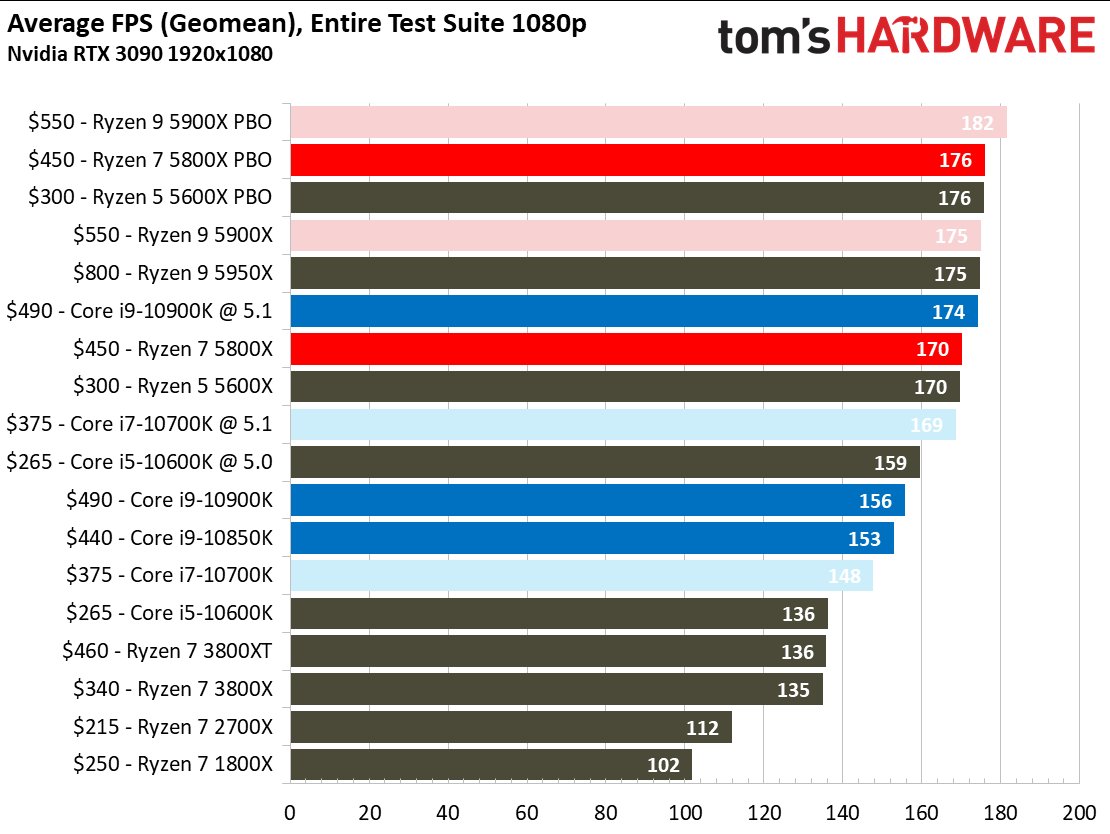
The AMD Ryzen 7 5800X, built on Zen 3 architecture, represents an interesting case study in component longevity. Despite being several years old, this 8-core processor continues to demonstrate remarkable competitiveness in gaming workloads, particularly in the 1080p segment where many budget-oriented systems operate. The Zen 3 architecture's efficiency, combined with the AM4 platform's extended support timeline, has created a unique value proposition for builders working with constrained budgets.
From a technical perspective, the Ryzen 7 5800X's 8-core, 16-thread configuration delivers consistent performance across a wide range of applications. Its base clock of 3.8 GHz with a boost clock up to 4.7 GHz provides ample headroom for gaming tasks, while the 32MB L3 cache ensures smooth data access patterns. The processor's TDP of 105W strikes a balance between performance and thermal efficiency, making it compatible with a range of cooling solutions from budget air coolers to more advanced liquid cooling setups.
The AM4 platform's longevity deserves special attention. While newer platforms like AM5 offer DDR5 support and more modern features, the AM4 ecosystem has benefited from an extended support cycle that has become increasingly rare in the semiconductor industry. This extended support has resulted in a mature motherboard market with numerous options at various price points, as well as established compatibility with DDR4 memory. For builders prioritizing value, this ecosystem represents significant cost savings, as DDR4 memory remains substantially more affordable than DDR5 alternatives.
Complementing the CPU is Nvidia's RTX 5060, a graphics card that has carved out a niche in the budget gaming segment. With 3,840 CUDA cores clocked at up to 2.5 GHz, 8GB of GDDR6 memory, and support for technologies like DLSS, the RTX 5060 delivers solid 1080p gaming performance. The card's strength lies in its rasterization performance, where it competes effectively with other options in its price range.
However, the RTX 5060 does have notable limitations. The 8GB VRAM allocation can become a bottleneck in modern titles, especially at higher resolutions or with texture-intensive settings. Additionally, while the card supports ray tracing, its performance in RT-enabled games is modest, making it less suitable for enthusiasts prioritizing ray-traced visuals. These limitations are important considerations for builders evaluating the card's suitability for their specific use cases.
The combination of these components creates an interesting value proposition for budget-conscious builders. The Ryzen 7 5800X provides strong CPU performance that won't bottleneck the RTX 5060, while the GPU delivers capable 1080p gaming performance with the added benefit of Nvidia's driver optimization and DLSS support. This pairing represents a balanced approach to system building, where neither component creates a significant bottleneck for the other.
From a market perspective, the availability of such combinations reflects broader trends in the semiconductor industry. As manufacturers continue to grapple with production challenges and market fluctuations, older generation components are finding new relevance. This trend is particularly evident in the consumer space, where budget constraints and supply limitations have made value-oriented solutions increasingly attractive.
The AM4 platform's extended support also highlights an interesting shift in industry practices. Historically, platform lifecycles have been relatively short, with manufacturers introducing new sockets and memory standards every few years. However, the current environment has seen longer support cycles for established platforms, providing consumers with more options and potentially extending the useful lifespan of their investments.
For builders considering such combinations, several factors should be weighed. The primary advantage lies in cost savings, as both components can be acquired at significantly lower prices than their newer counterparts. Additionally, the mature AM4 ecosystem offers numerous motherboard options and established compatibility with existing components. However, builders should also consider platform limitations, such as the lack of PCIe 5.0 support and the constraints of DDR4 memory, which may impact future upgrade paths.
The thermal characteristics of these components also merit consideration. The Ryzen 7 5800X, while efficient by today's standards, still requires adequate cooling to maintain optimal performance. Budget air coolers can provide sufficient cooling for most use cases, but builders planning to push the processor with overclocking should consider more robust cooling solutions. Similarly, the RTX 5060's thermal design is relatively modest, making it suitable for a wide range of chassis configurations without requiring extensive cooling infrastructure.
In terms of software compatibility, both components benefit from mature driver support. AMD continues to provide updates for the Ryzen 7 5800X, optimizing performance for newer applications and games. Nvidia's driver ecosystem offers regular updates that improve performance and add support for new technologies like DLSS enhancements. This ongoing support ensures that these components will remain viable for gaming and productivity tasks for the foreseeable future.
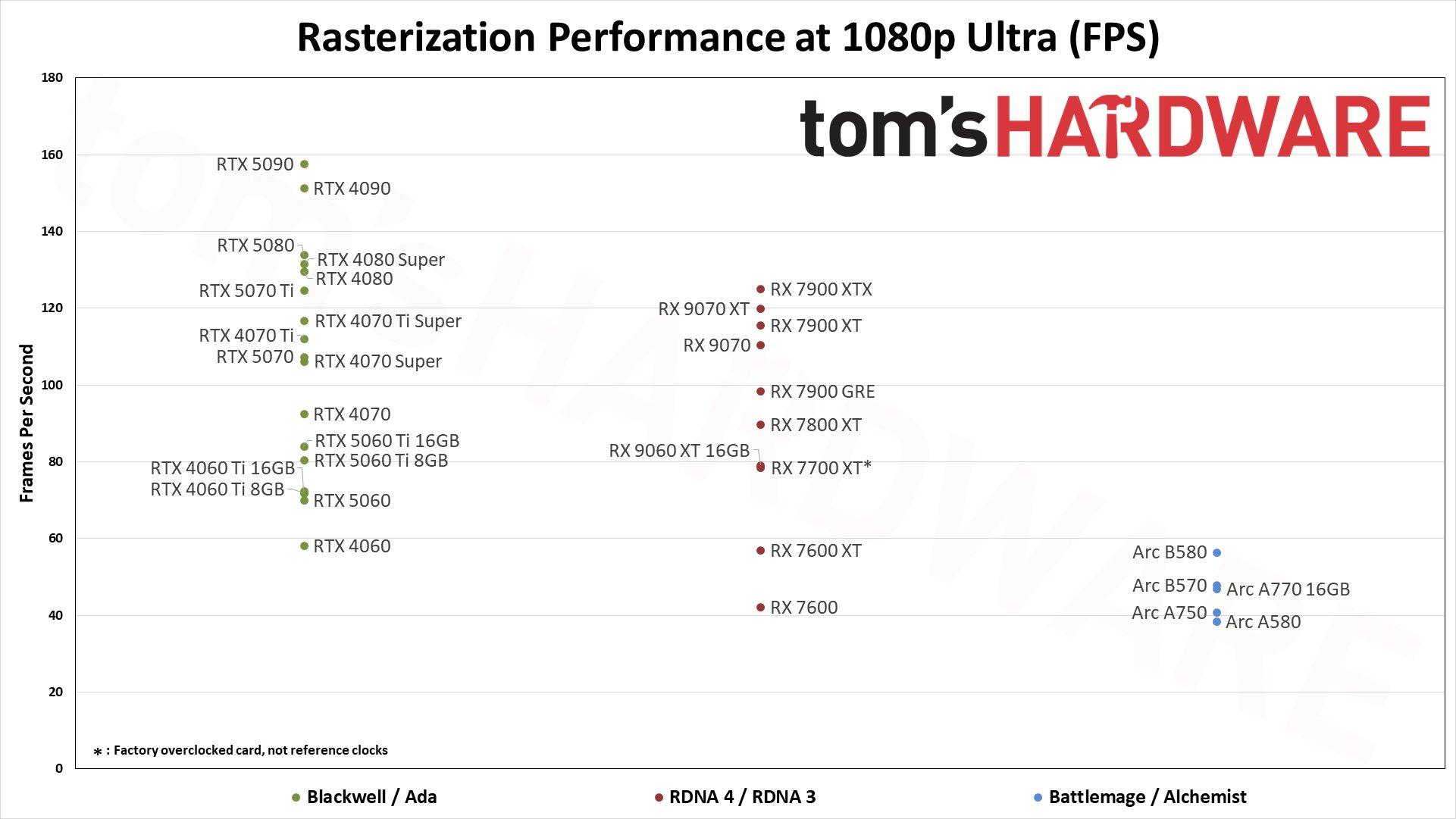
The gaming performance of this combination deserves specific attention. For competitive gaming at 1080p, both components deliver excellent frame rates with minimal latency. The Ryzen 7 5800X's strong single-core performance ensures responsive gameplay, while the RTX 5060 provides consistent frame rates in most titles. For more demanding games or higher resolutions, the combination may struggle, but this limitation is expected given the components' positioning in the market.
Productivity workloads also represent a viable use case for this combination. The Ryzen 7 5800X's 8-core configuration provides ample processing power for content creation, productivity applications, and multitasking scenarios. While newer processors may offer better performance in heavily multi-threaded workloads, the 5800X remains competitive for most consumer and light professional applications.
From a future-proofing perspective, builders should consider the limitations of this combination. The lack of PCIe 5.0 support may impact compatibility with next-generation storage solutions, while the RTX 5060's 8GB VRAM allocation may become increasingly limiting as games continue to demand more memory. However, for builders with budget constraints or those prioritizing immediate performance over long-term upgradeability, this combination represents a pragmatic choice.
The availability of such combinations also reflects broader trends in the PC market. As component prices remain elevated and supply chain challenges persist, builders are increasingly turning to value-oriented solutions that maximize performance within budget constraints. This trend has created a robust market for older generation components that continue to deliver solid performance at attractive price points.
For manufacturers, this trend presents both challenges and opportunities. On one hand, the extended viability of older components may impact sales of newer products. On the other hand, it demonstrates the value of maintaining backward compatibility and providing long-term support for established platforms. This approach can foster customer loyalty and create a more stable market environment.
In conclusion, the combination of the AMD Ryzen 7 5800X and Nvidia RTX 5060 represents a compelling option for budget-conscious builders in the current market. Despite their age, both components continue to deliver solid performance for their intended use cases, supported by mature ecosystems and ongoing driver support. For builders prioritizing value over cutting-edge features, this combination offers a pragmatic approach to PC building that balances cost, performance, and future viability.
As the semiconductor industry continues to evolve, such combinations are likely to remain relevant as manufacturers navigate production challenges and market fluctuations. The Ryzen 7 5800X and RTX 5060 exemplify how legacy components can find renewed relevance in changing market conditions, providing builders with cost-effective solutions without compromising on essential performance.
Comments
Please log in or register to join the discussion