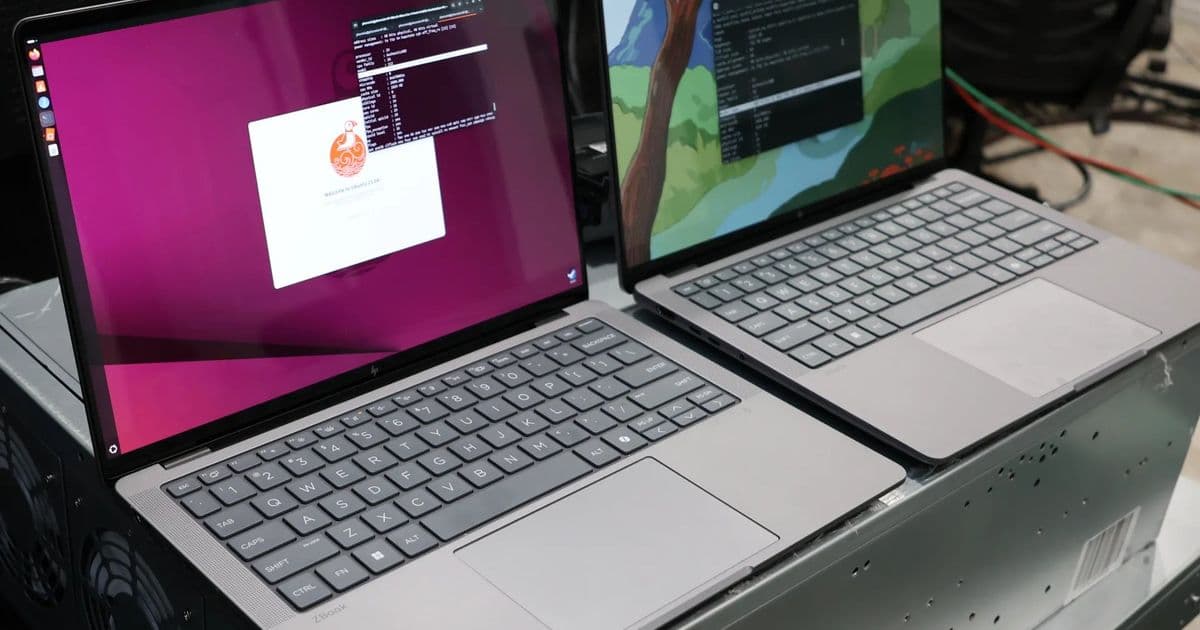
AMD is introducing a new 'power module' to its Linux graphics driver that will unify display power management with Windows, potentially improving battery life and reducing platform-specific quirks.
AMD is making a significant change to its Linux graphics driver that could improve power management for Radeon users. The company is introducing a new "power module" to the AMDGPU kernel driver that will align Linux display power handling more closely with Microsoft Windows.
What's Changing
The change comes as part of today's Display Core (DC) patches for the AMDGPU kernel driver. The new power module is designed to manage panel power features like backlight control and Panel Self Refresh (PSR) - functionality that Windows users have had for some time.
According to the patch notes, "Other OS supported by DC uses the power module to manage panel power features such as backlight and self-refresh. It contains enhancements on top what amdgpu_dm is doing today that can benefit power."
Key Improvements
The implementation brings several concrete changes:
- Unified power management: The Display Manager (DM) will now use the power module for replay, PSR, and backlight control
- Enhanced VRR handling: Variable Refresh Rate support within replay and PSR logic has been improved
- Replay rate control: New power options for managing display refresh rates
- Event-driven PSR: Better enable/disable control for Panel Self Refresh
Why This Matters
This change is particularly important for laptop and mobile users. By unifying the power management code path between Windows and Linux, AMD aims to deliver a more consistent experience across platforms. This could mean:
- Better battery life: More efficient power management for mobile devices
- Fewer platform-specific issues: Reduced Linux-only quirks and bugs
- Consistent behavior: Similar power-saving features across operating systems
Timeline and Availability
The patches were just posted to the mailing list today, which means they're too late for the current Linux 7.1 kernel cycle. Users will need to wait for Linux 7.2 later this year to see these changes, assuming no issues arise during the review process.
Additional Changes
Alongside the power module introduction, today's DC patches also enable driver power gating - another feature that should help reduce power consumption when the GPU isn't actively in use.
This move by AMD represents a broader trend of Linux graphics drivers catching up to their Windows counterparts in terms of feature parity and power management capabilities. For Linux users who have long dealt with platform-specific quirks, this unified approach could mark a significant improvement in the overall user experience, especially for those running AMD hardware on laptops and other mobile devices.
Comments
Please log in or register to join the discussion