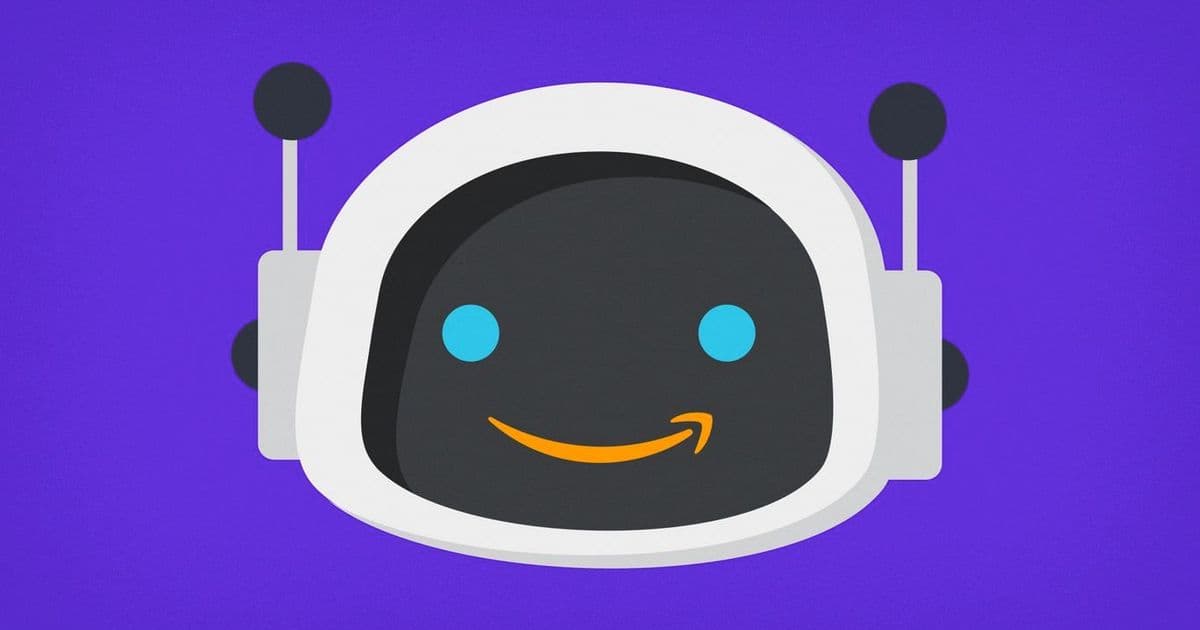
Anthropic has struck a major deal with Amazon to secure cloud computing resources, positioning itself as a serious contender against OpenAI in the AI model race.
Anthropic, the AI research company founded by former OpenAI employees, has announced a significant partnership with Amazon Web Services that could reshape the competitive landscape of artificial intelligence development. The deal, which industry sources value at over $4 billion, gives Anthropic access to substantial cloud computing resources needed to train and deploy its frontier AI models.
The Compute Arms Race
The partnership comes amid an intensifying battle for computing power in the AI industry. Training large language models requires massive GPU clusters and specialized hardware that can cost hundreds of millions of dollars. Companies like OpenAI, Google DeepMind, and Anthropic are all competing for the same limited pool of computational resources, making strategic partnerships essential for survival.
Amazon's investment provides Anthropic with priority access to AWS's latest Inferentia and Trainium chips, custom silicon designed specifically for AI workloads. This gives Anthropic a competitive edge over rivals who rely solely on NVIDIA GPUs, which have been in short supply due to overwhelming demand from the AI sector.
Strategic Implications
The deal represents more than just a hardware purchase. Amazon gains a potential counterweight to Microsoft's exclusive relationship with OpenAI, which has given Microsoft's Azure platform a significant advantage in attracting AI developers and enterprises. By backing Anthropic, Amazon positions itself as a neutral alternative for companies wary of committing entirely to Microsoft's ecosystem.
For Anthropic, the partnership provides the computational horsepower needed to continue developing its Claude family of AI models. The company has been gaining traction with enterprise customers who appreciate Claude's focus on safety and alignment, but scaling to compete with OpenAI's GPT-4 required substantial infrastructure investment.
Market Context
This partnership reflects broader shifts in the AI industry's economics. The cost of training frontier models has skyrocketed from millions to potentially billions of dollars, creating a barbell effect where only well-funded incumbents or companies with deep-pocketed partners can compete. Startups without such backing face increasingly steep barriers to entry.
The timing is particularly notable given recent reports of OpenAI exploring its own chip development efforts. If successful, this could reduce OpenAI's dependence on NVIDIA and potentially alter the competitive dynamics once again. Anthropic's Amazon deal may be seen as a preemptive move to secure its computational advantage.
What This Means for Developers
For the developer community, the partnership could accelerate the availability of more powerful and specialized AI models. Anthropic has promised that its Claude models will be available through Amazon's Bedrock service, making them accessible to millions of AWS customers. This integration could simplify deployment for enterprises already invested in the AWS ecosystem.
The competition between AI model providers is ultimately beneficial for developers, who gain access to increasingly capable tools and platforms. As Anthropic, OpenAI, Google, and others race to outdo each other, the pace of innovation in areas like reasoning, code generation, and multimodal capabilities continues to accelerate.
The compute wars show no signs of cooling down. With training costs continuing to rise and the potential rewards for market leadership growing larger, expect to see more strategic alliances and infrastructure investments as companies position themselves for what many believe will be the most transformative technology shift since the internet itself.
Comments
Please log in or register to join the discussion