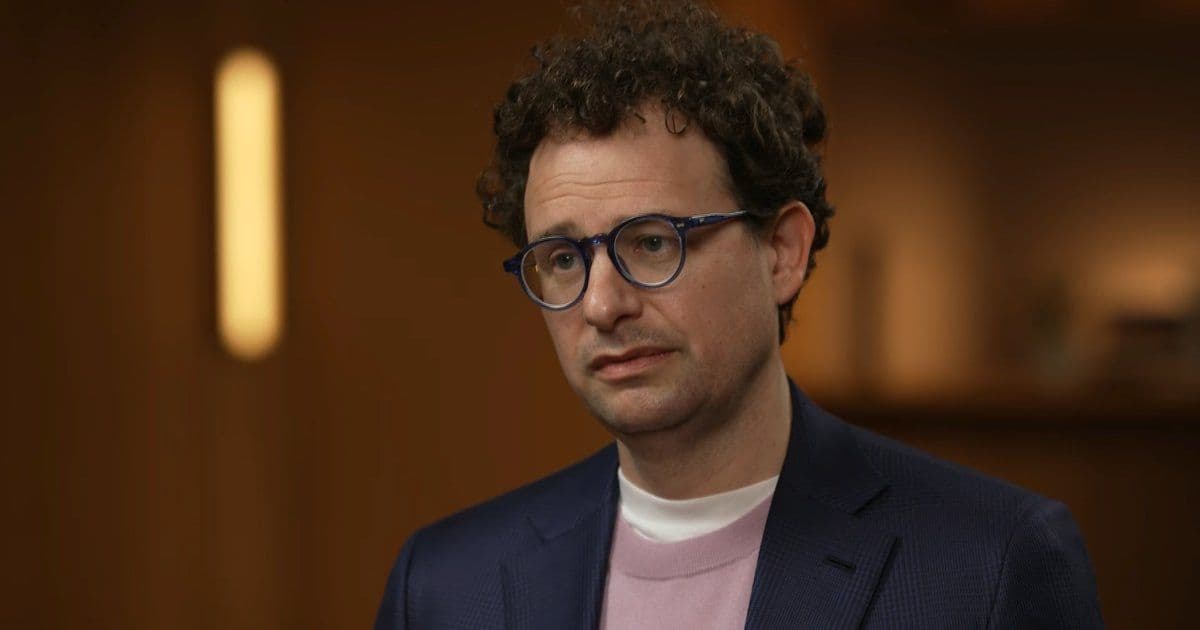
Dario Amodei defends Anthropic's American values amid Pentagon ban, as OpenAI cuts deal with DOD while workers protest military AI use
Dario Amodei, CEO of Anthropic, has declared his company's patriotism while simultaneously facing a Pentagon ban that highlights growing tensions over AI's role in military applications and national security. The controversy erupted after Defense Secretary Pete Hegseth directed the Department of Defense to designate Anthropic as a supply chain risk, effectively barring military contractors from using the company's AI models.
Amodei's statement that "we are patriotic Americans" comes as Anthropic fears that some AI uses could clash with American values, particularly as AI's potential gets "ahead of the law." The company has indicated it would challenge any supply chain risk designation in court, arguing that such restrictions would only affect contractors' use of Claude on Department of Defense work.
This standoff represents one of the most consequential policy decisions in the AI industry's brief history. The Trump administration has taken an even harder line, with President Trump calling Anthropic a "radical left, woke company" and directing every federal agency in the US to stop using its products. The designation has sparked intense debate about the balance between AI safety, national security, and American values.
Meanwhile, OpenAI has taken a different approach, reaching an agreement with the Department of Defense to deploy its models in classified networks. CEO Sam Altman has stated that OpenAI shares Anthropic's red lines regarding military AI use, suggesting these concerns are "an issue for the whole industry." However, OpenAI's willingness to work with the Pentagon has drawn criticism from its own employees and industry peers.
A coalition of workers from Amazon, Google, Microsoft, and OpenAI has publicly supported Anthropic's stance, asking their companies to join Anthropic in refusing DOD demands. This worker solidarity highlights the deep divisions within the tech industry about the appropriate role of AI in military applications and surveillance.
Anthropic's position reflects a broader concern that AI technology is advancing faster than legal and ethical frameworks can keep pace. The company's fear that some AI uses could clash with American values suggests a fundamental disagreement about what those values are and how they should be applied in the context of emerging technologies.
The Pentagon's move against Anthropic raises critical questions for other tech companies that work closely with the military, including Nvidia, Google, Amazon, and Palantir. These companies have built significant business relationships with the Department of Defense, and Anthropic's blacklisting could signal a broader shift in how the government approaches AI partnerships.
Internal documents from the standoff reveal that discussions about using Claude during hypothetical nuclear missile attacks contributed to the escalating tensions. Sources indicate that the Pentagon's concerns go beyond simple security risks to encompass broader questions about AI safety, reliability, and alignment with military objectives.
OpenAI's deal with the DOD includes provisions that would allow the company to build its own "safety stack" and refuse to comply if its models decline certain tasks. This arrangement suggests that the Pentagon is willing to accommodate AI companies' safety concerns to a degree, but the terms of such accommodations remain unclear and potentially controversial.
The controversy has exposed deep divisions within the tech industry and the broader American public about the role of AI in national security. While some view Anthropic's stance as principled and necessary to prevent AI from being used in ways that conflict with American values, others see it as obstructionist and potentially harmful to national security interests.
Anthropic's challenge to the supply chain risk designation will likely set important precedents for how AI companies can operate in the defense sector. The outcome could determine whether companies can maintain ethical boundaries while still participating in government contracts, or whether they will be forced to choose between their principles and access to the massive defense market.
The situation also highlights the growing influence of AI safety advocates within major tech companies. The fact that workers from multiple companies have rallied behind Anthropic suggests that concerns about military AI use are not limited to one organization but represent a broader movement within the industry.
As AI technology continues to advance, the tension between innovation, safety, and national security is likely to intensify. Companies like Anthropic that prioritize AI safety may find themselves increasingly at odds with government agencies that view AI as a critical component of national defense strategy.
The Anthropic-Pentagon standoff serves as a case study in the challenges of governing emerging technologies. It demonstrates how quickly technological capabilities can outpace legal frameworks and how difficult it can be to establish common ground between companies, government agencies, and the public on issues of safety and ethics.
Looking forward, the resolution of this conflict could shape the future of AI development and deployment in the United States. If Anthropic succeeds in challenging the Pentagon's designation, it may embolden other companies to maintain stricter ethical boundaries. If the Pentagon prevails, it could signal that national security concerns will take precedence over AI safety considerations in government contracting.
Either way, the controversy underscores the need for clearer frameworks governing AI use in sensitive applications. As Amodei noted, AI's potential is getting ahead of the law, and the Anthropic case illustrates the urgent need for policymakers to catch up with technological developments before more serious conflicts arise.
The broader implications extend beyond just one company or one government agency. The Anthropic-Pentagon dispute reflects fundamental questions about the role of technology companies in society, the limits of corporate responsibility, and the balance between innovation and safety in an era of rapid technological change.
As this situation continues to unfold, it will likely influence how other AI companies approach government partnerships and how policymakers think about regulating AI technology. The outcome could determine whether the United States maintains its leadership in AI development while also ensuring that the technology is developed and deployed in ways that align with American values and safety standards.
For now, Anthropic finds itself at the center of a national debate about the future of AI, patriotism, and the role of technology in American society. Dario Amodei's defense of his company's American values comes at a time when those values themselves are being debated and redefined in the context of emerging technologies that have the potential to reshape every aspect of modern life.
Comments
Please log in or register to join the discussion