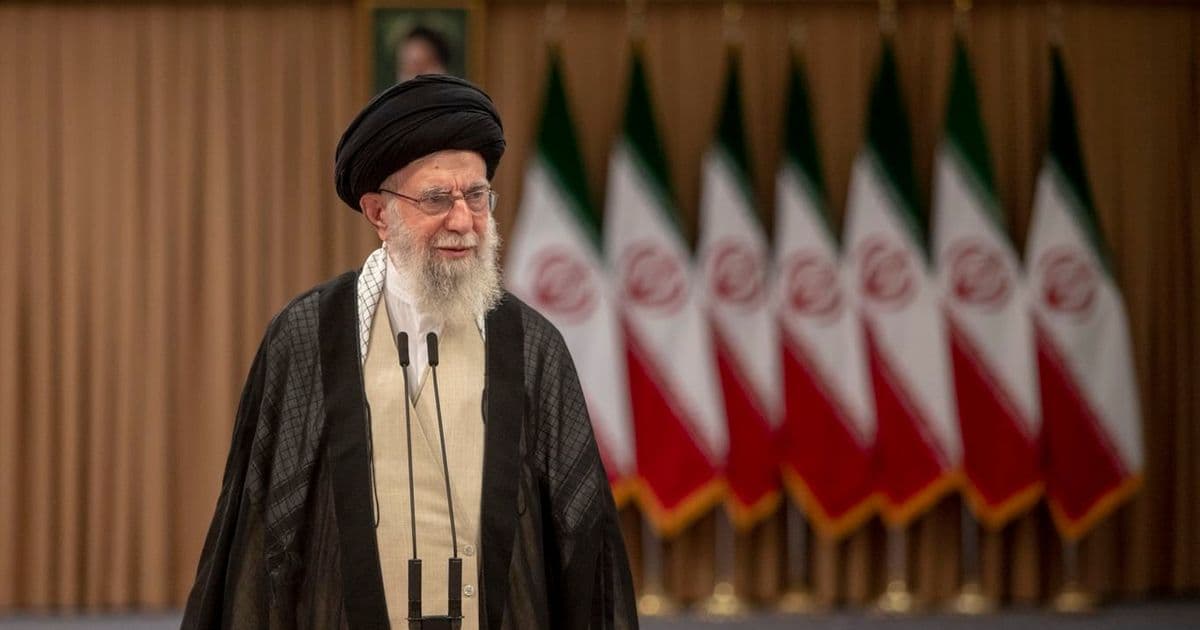
Israel has expanded its military strategy to include direct targeting of Iran's Supreme Leader Ali Khamenei and other top regime officials, marking a significant escalation in the shadow war between the two nations.
Israel has dramatically escalated its shadow war with Iran by expanding its military targeting strategy to include Supreme Leader Ali Khamenei and other top Iranian regime officials, according to multiple sources familiar with the matter.
This represents a significant shift from Israel's previous approach, which focused primarily on Iran's nuclear facilities, military installations, and proxy forces across the Middle East. The new strategy aims to directly undermine the Iranian regime's leadership structure.
Strategic Context
The targeting of Khamenei and other senior leaders marks a departure from Israel's traditional military doctrine. Previously, Israeli operations in Iran concentrated on:
- Nuclear research facilities
- Military bases and weapons depots
- Proxy groups like Hezbollah and the Houthis
- Scientists and technical personnel
By expanding to regime leadership, Israel appears to be pursuing a decapitation strategy designed to create internal instability and potentially trigger a leadership crisis within Iran's clerical establishment.
Regional Implications
The escalation comes amid heightened tensions in the Middle East, with Iran-backed groups launching attacks on Israeli targets and Israel conducting strikes in Syria, Lebanon, and Iran itself. The targeting of top leadership could provoke an even more aggressive Iranian response.
Regional analysts suggest this strategy carries significant risks:
- Potential for rapid escalation into direct conflict
- Iranian retaliation against Israeli or Jewish targets worldwide
- Disruption of global oil markets if the Strait of Hormuz is threatened
- Increased instability in an already volatile region
Intelligence and Operational Considerations
The shift requires substantial intelligence capabilities, including:
- Real-time tracking of regime leaders' movements
- Infiltration of Iran's security apparatus
- Advanced cyber capabilities to disrupt communications
- Precision strike capabilities to eliminate high-value targets
Israel's Mossad intelligence agency has historically demonstrated sophisticated operational capabilities against Iranian targets, including the assassination of nuclear scientists and cyber attacks on nuclear facilities.
International Response
The international community has expressed concern about the potential for uncontrolled escalation. While some Western allies understand Israel's security concerns regarding Iran's nuclear program and regional ambitions, targeting regime leadership crosses a significant threshold that could be viewed as state-sponsored assassination.
Strategic Objectives
Israel's expanded targeting strategy appears designed to achieve several objectives:
- Regime destabilization: Creating leadership vacuums and internal power struggles
- Deterrence: Signaling that no Iranian leader is safe from Israeli reach
- Nuclear program disruption: Targeting those who make decisions about Iran's nuclear ambitions
- Proxy group isolation: Cutting off support from Tehran to regional militias
The success of this strategy depends on Israel's ability to execute precise operations while managing the risk of Iranian retaliation and international condemnation.
The shadow war between Israel and Iran has intensified over the past decade, with both nations conducting covert operations against each other's interests. This latest escalation represents one of the most significant shifts in Israeli strategy since the conflict began, potentially reshaping the dynamics of Middle Eastern geopolitics.
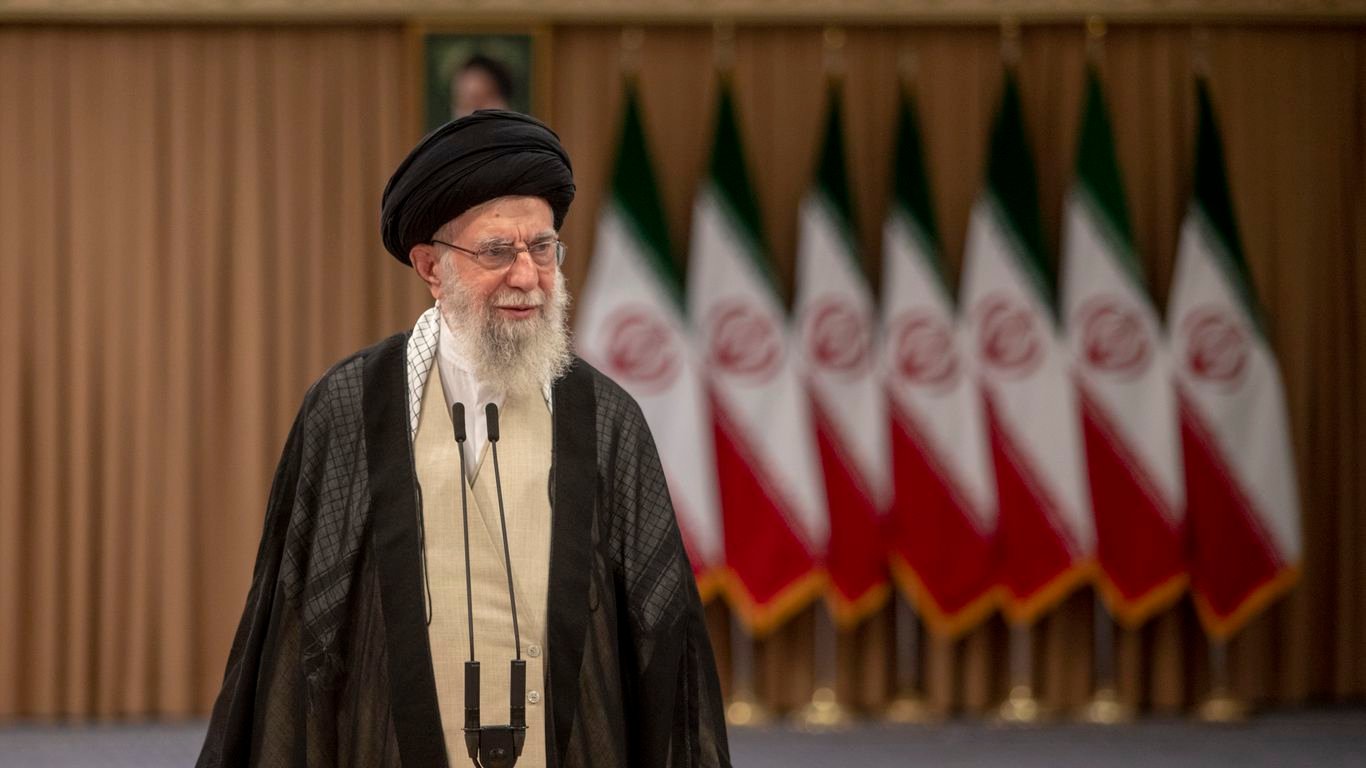
Image: Majid Saeedi/Getty Images - Israeli military strategy has expanded to target Iran's Supreme Leader and top regime officials
Comments
Please log in or register to join the discussion