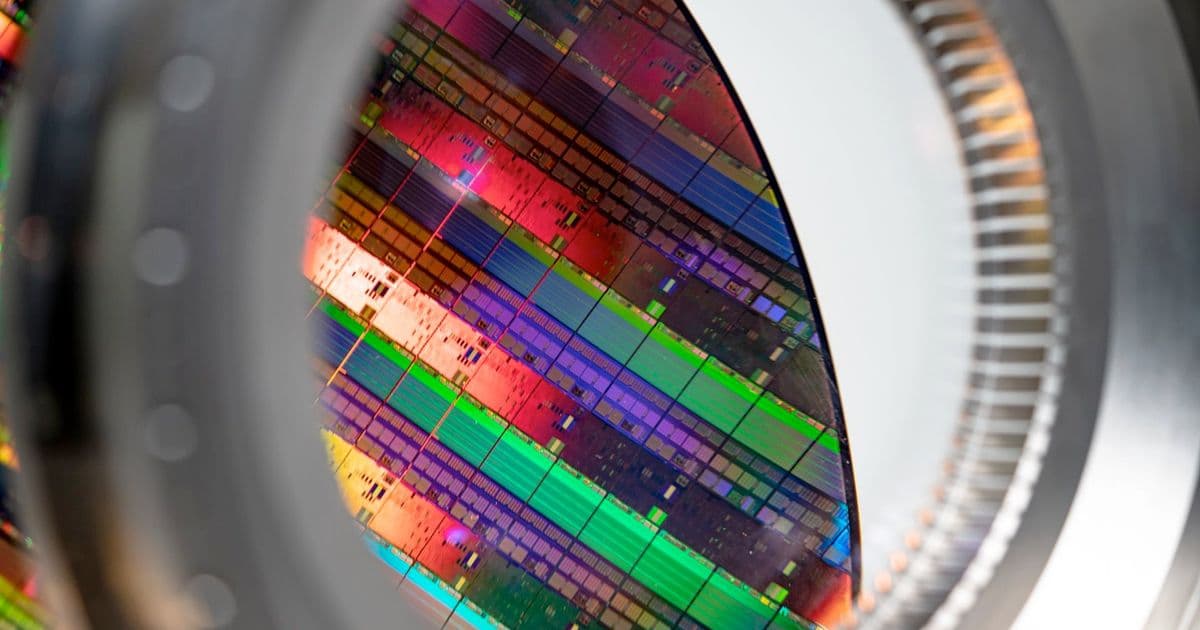
Nikon’s new president, Yasuhiro Ohmura, announced a low‑price ArF immersion platform aimed at winning back U.S. and Asian chipmakers, leveraging in‑house component production to undercut ASML’s $82 million‑plus units while targeting the mature‑node market that still accounts for most patterning steps.
Nikon slashes ArF lithography prices to challenge ASML’s dominance
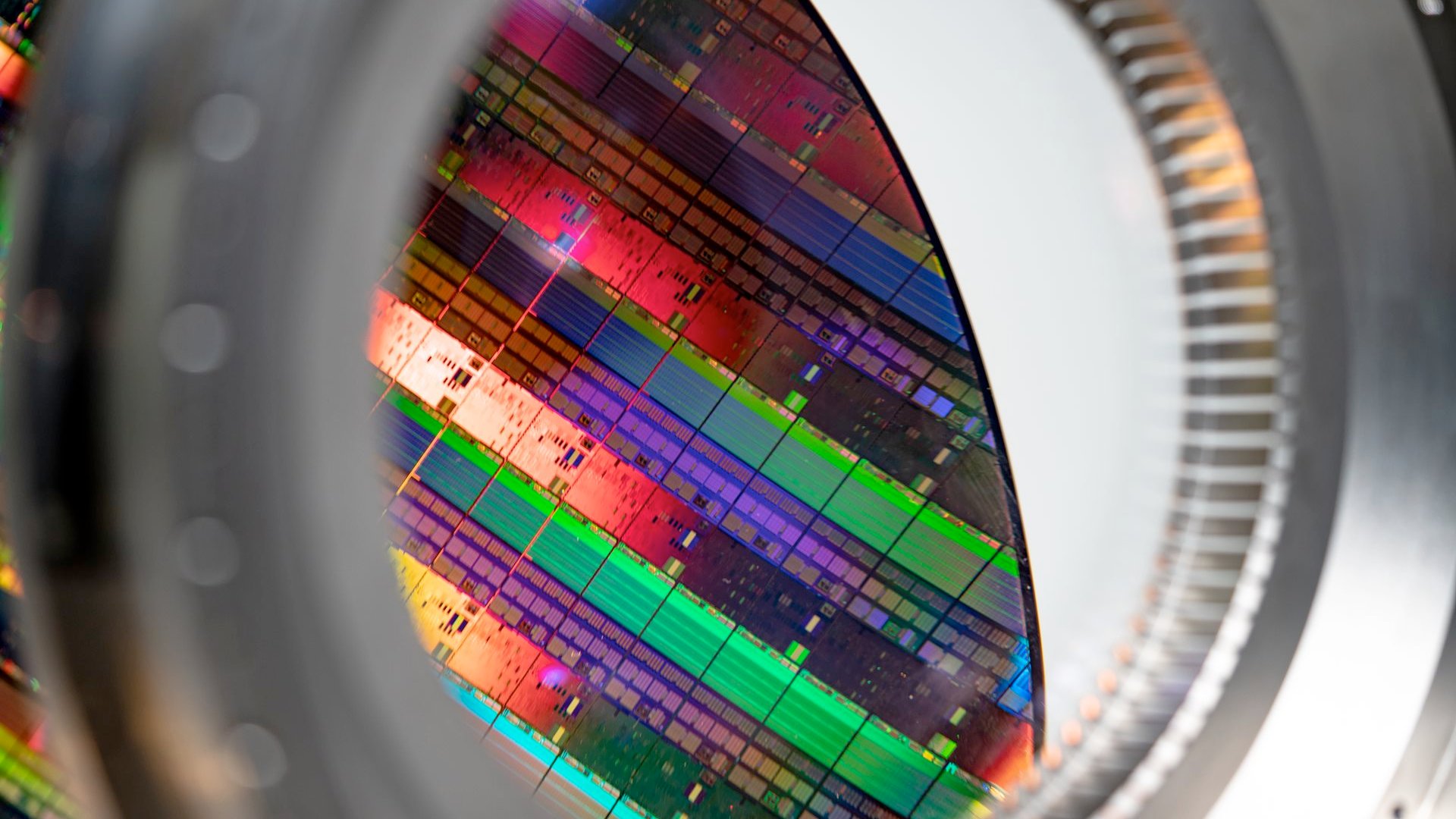 Image credit: ASML
Announcement
Nikon’s freshly appointed president and CEO, Yasuhiro Ohmura, told Nikkei Asia that the company is ready to sell argon‑fluoride (ArF) immersion lithography tools at prices below those of market leader ASML. The statement comes as Nikon ramps up talks with several large U.S. and Asian foundries, with negotiations “nearing purchase orders.”
Technical specs and cost structure
- Current ASML ArF immersion price: average US$82.5 million per unit (based on 2024‑2025 shipments).
- Nikon target price: not disclosed, but Ohmura emphasized a “significant discount” made possible by the company’s high‑percentage in‑house manufacturing of lenses, wafer stages, and sub‑systems.
- Planned 2028 platform: a new ArF immersion system featuring a redesigned projection lens, upgraded wafer stage, and full compatibility with existing ASML infrastructure. The design is deliberately DUV‑focused; Nikon does not plan to re‑enter the EUV market it abandoned in 2008.
- Process relevance: Even on a 3 nm node, roughly 70 % of patterning steps still rely on mature DUV (including ArF immersion). This makes the segment a steady revenue source for both vendors.
- Shipment data: Nikon delivered 11 ArF tools in FY2023‑24 and none in the first three quarters of FY2025, while ASML shipped 131 immersion DUV and 48 EUV systems in 2025, ending the year with a €38.8 billion order backlog.
Market implications
- Price competition in mature nodes – ASML’s monopoly is strongest in EUV, where the technology cost exceeds $150 million per tool. In the DUV space, the price gap is narrower, giving Nikon a realistic entry point. If Nikon can offer a 10‑15 % discount, a foundry that currently purchases three or four ArF tools per fab could save $30‑$45 million per generation.
- Supply‑chain risk mitigation – Chipmakers have repeatedly cited single‑source dependence as a vulnerability. Adding a second qualified supplier could reduce the risk of production delays, especially as AI‑driven demand pressures the entire lithography supply chain.
- Impact on Intel and other legacy customers – Intel historically accounted for about 80 % of Nikon’s ArF orders. Recent cuts in Intel’s capex have hurt Nikon’s revenue, but a lower‑cost alternative could entice Intel to restart ArF purchases for its 14 nm‑plus product lines.
- Financial pressure on Nikon – The company posted a ¥86 billion (≈ $540 million) net loss for FY2024, driven by weak equipment sales and a struggling metal‑3D‑printing division. A successful price‑driven ArF program could be a critical lever to reverse that trend.
- Strategic focus – Ohmura plans to concentrate Nikon’s efforts on cameras and lithography tools, shedding peripheral businesses. By narrowing the portfolio, Nikon hopes to allocate more R&D dollars to the ArF platform and achieve economies of scale.
Outlook
The upcoming 2028 ArF immersion system will enter a market where demand is rising, but growth is constrained by the high cost of existing tools. If Nikon can deliver a price point that is at least 10 % lower than ASML’s current offering while maintaining comparable throughput (≥ 120 mm wafer per hour) and overlay accuracy (≤ 5 nm), it could capture a modest share—potentially 5‑7 % of the global DUV market by 2030. However, price alone may not be sufficient; reliability, uptime, and service network depth remain decisive factors for fabs that run 24/7.
Bottom line: Nikon’s aggressive pricing strategy targets the mature‑node lithography segment that still processes the bulk of transistor layers. By leveraging in‑house component production, the company aims to undercut ASML’s ArF prices and provide foundries with a viable second source, a move that could reshape equipment sourcing dynamics in the next five years.
Comments
Please log in or register to join the discussion