A cloud-side model shutdown shows how quickly access to a high-end AI assistant can change, no phone update, app update, or device setting required.
Announcement
Anthropic has shut down access to Claude Fable 5 after receiving a U.S. government directive tied to national security concerns, according to reports from Business Insider, The Verge, and AP. The restriction also reportedly affects Mythos 5, the more controlled model family that Fable 5 was based on.
For everyday users, the practical detail is simple: this is not an Android, iOS, Windows, macOS, or ChromeOS update. Nothing needs to install locally for access to disappear. Claude is delivered through cloud services such as Claude.ai, Anthropic’s API, apps, browser integrations, and enterprise platforms. If Anthropic disables a model on the server, the change can hit phones, tablets, desktops, developer tools, and business workflows at once.
That is what makes this story bigger than a single model name. Fable 5 had only just reached broader availability, positioned as a more accessible version of Anthropic’s higher-end Mythos-class technology. Users who were testing it for coding, research, agentic workflows, or document-heavy work now face a sudden routing change. Some may be moved to other Claude models, while users outside approved access categories may lose the option entirely.
Key Features
Fable 5 was described in earlier coverage as a frontier-class Claude model with unusually strong autonomy, coding, and multimodal task handling. Reports from Tom’s Hardware said it was derived from the more powerful Mythos 5 line, while Mythos 5 remained reserved for more sensitive scientific and cybersecurity use cases.
The headline specs that mattered were not phone-style specs like RAM or screen size. They were model-access specs: capability tier, safety filters, API pricing, regional availability, and whether the model could be used inside agent tools. Fable 5 was reportedly priced at $10 per million input tokens and $50 per million output tokens through the API. That put it in premium-model territory, aimed less at casual chatbot use and more at long-running, high-value tasks where accuracy, planning, and tool use justify the cost.
The more interesting technical point is how cloud AI changes the meaning of a product launch. A smartphone OS feature usually depends on a device build, chipset support, region, carrier rules, and app version. A cloud AI model depends on account permissions, routing policies, export controls, enterprise contracts, and safety classifications. A user can be on the same phone, the same browser, and the same app version, yet receive a different model tomorrow because the backend changed.
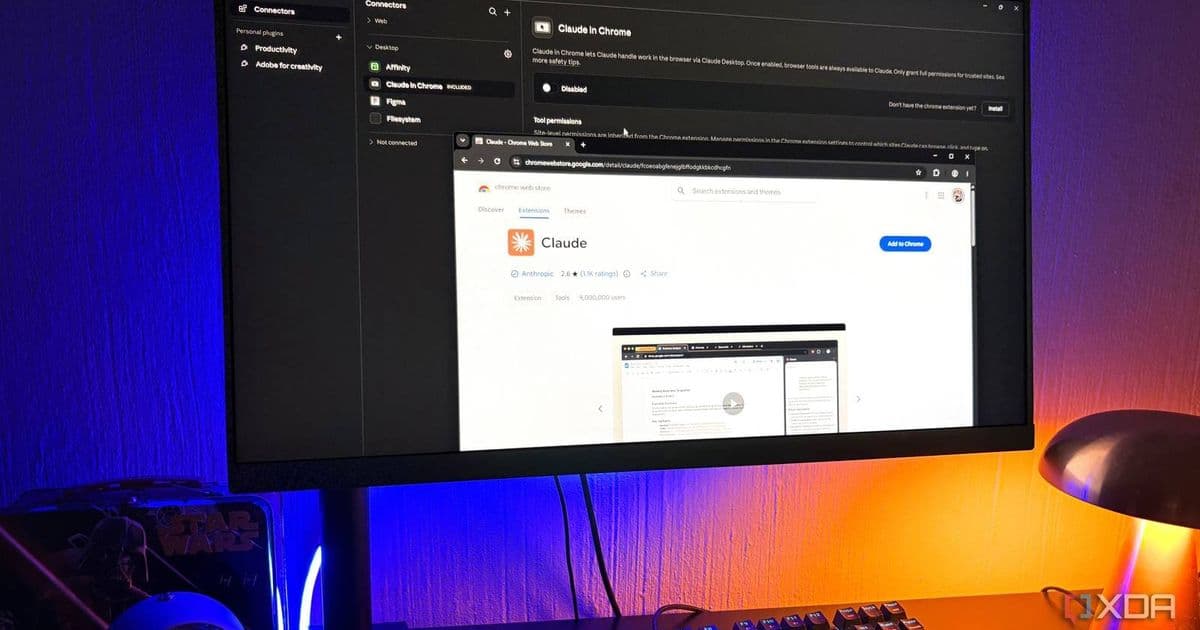
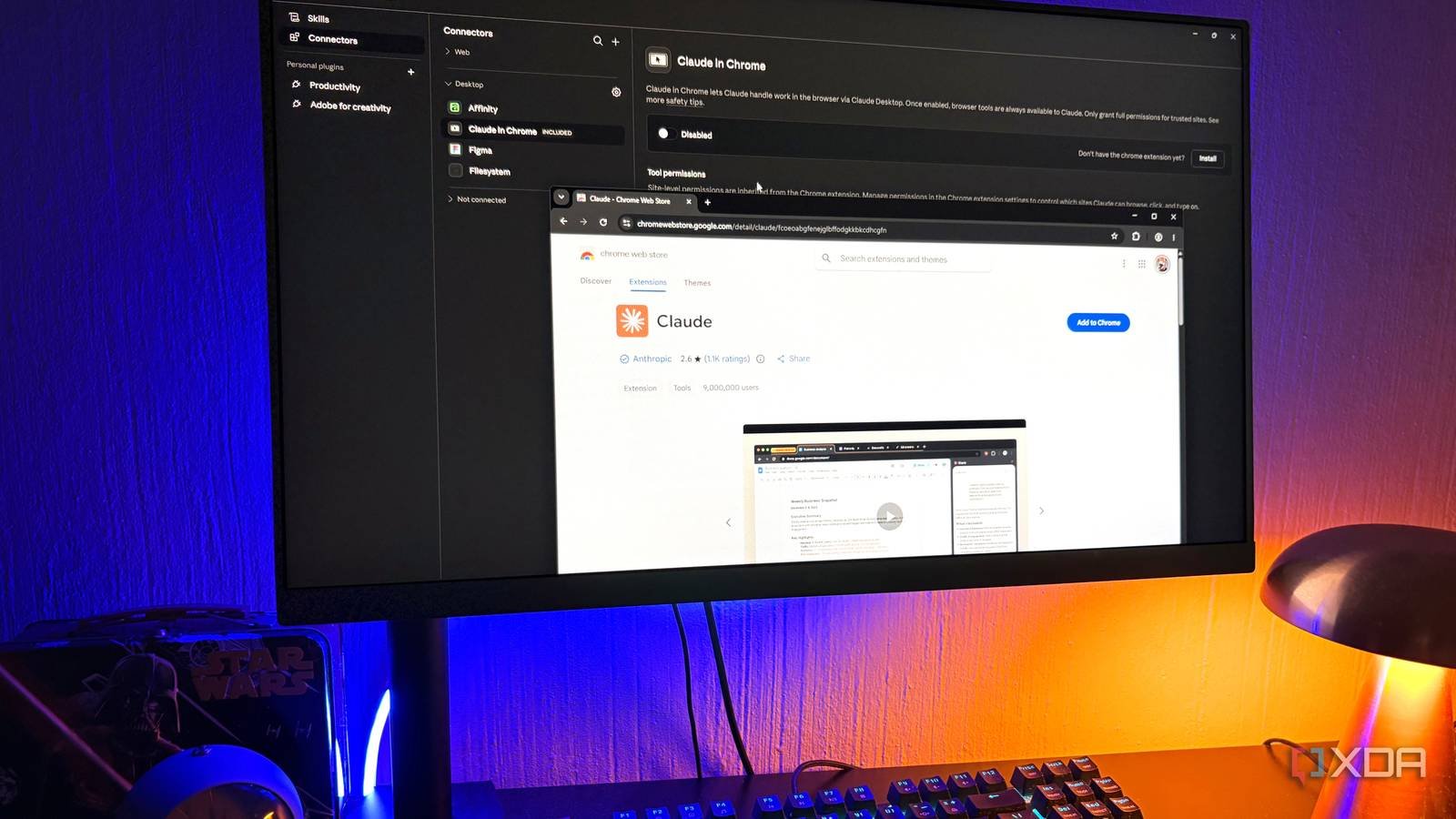
That also affects browser-based tools. Claude integrations for the desktop web, Chrome-style workflows, and developer environments are not bound to a single operating system release in the way a native camera feature or lock-screen widget might be. The client is mostly an access point. The heavy work happens in Anthropic’s infrastructure, which means model availability can be changed centrally.
Ecosystem Context
The shutdown underlines a growing lock-in issue around AI assistants. If your workflow depends on a specific model, you are not just choosing an app. You are choosing an ecosystem made of model providers, cloud rules, account tiers, safety policies, and government constraints.
For consumers, that can show up as a missing model picker. For developers, it can break evaluation results, automation scripts, coding agents, or product features that were tuned around Fable 5 behavior. For companies, the impact can be larger: procurement, compliance reviews, audit trails, and fallback planning suddenly matter as much as benchmark scores.
This is especially relevant on mobile. AI features are increasingly marketed as part of the device experience, but many of the most capable assistants are still cloud-first. A phone may run Android or iOS perfectly, yet the assistant behind a writing tool, browser action, or coding companion can change because of a server-side policy. That makes ecosystem lock-in less visible than an app-store wall, but just as real.
Anthropic’s own ecosystem spans Claude, developer APIs, Claude Code, enterprise integrations, and cloud distribution channels. That gives users many entry points, but it also means access control becomes central. If one model is restricted, the user experience depends on how well Anthropic routes people to alternatives and how transparent it is about what changed.
The broader lesson is practical: serious AI users need model fallbacks. That may mean testing across Claude, OpenAI, Gemini, local models, or cloud-hosted open-weight systems. It may also mean designing apps so that model-specific features fail gracefully instead of breaking the whole workflow. The more autonomous these systems become, the more painful a sudden model removal can be.
Fable 5’s shutdown is a reminder that the AI era has its own version of platform dependence. It is not only about which phone you buy or which OS version you run. It is about which remote model your tools depend on, who controls access to it, and how quickly that access can change when policy, security, and platform strategy collide.
Comments
Please log in or register to join the discussion