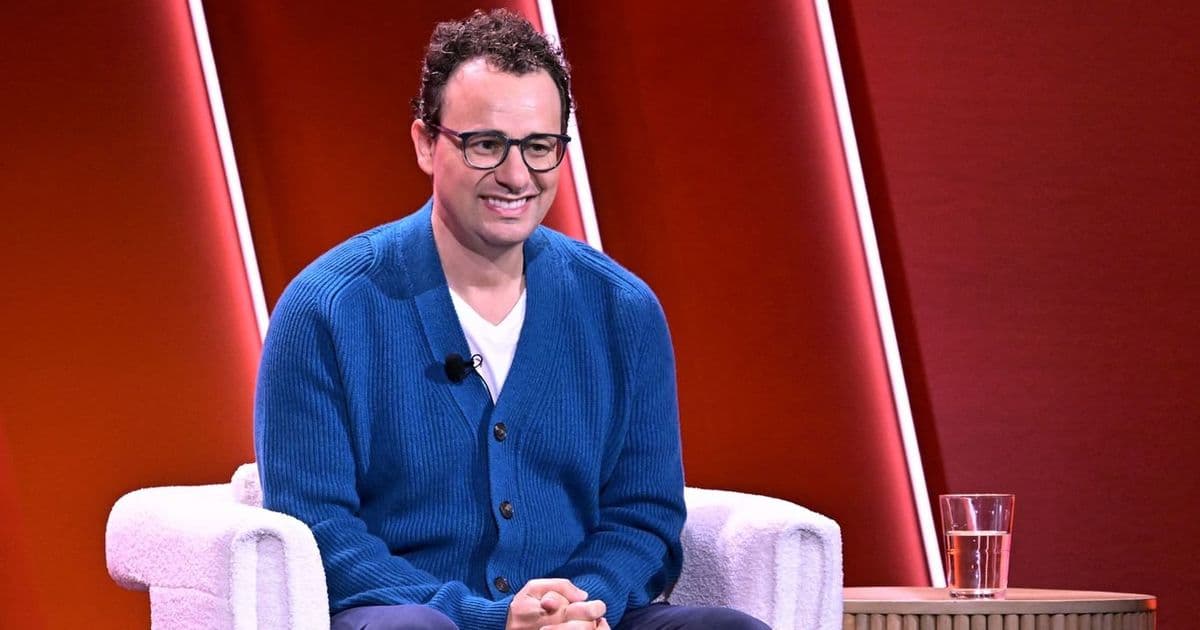
Anthropic CEO Dario Amodei has publicly rejected the Pentagon's 'final offer' for an AI contract, signaling a significant standoff between the AI company and U.S. defense establishment over terms and ethical boundaries.
Anthropic, the AI safety-focused company behind the Claude chatbot, has rejected what it describes as the Pentagon's "final offer" for a major defense contract, creating a high-stakes standoff between the AI company and U.S. military establishment.

The rejection comes at a critical moment when AI companies are increasingly being courted by government agencies for military applications. Anthropic's stance represents a rare public break between a leading AI firm and the Department of Defense over contract terms and ethical boundaries.
According to sources familiar with the negotiations, the Pentagon's offer included provisions that Anthropic's leadership found incompatible with their stated mission of developing AI that is safe, ethical, and beneficial to humanity. While specific details of the rejected terms remain confidential, industry analysts suggest the disagreement likely centers on issues of AI deployment in military contexts and data sovereignty.
Anthropic CEO Dario Amodei has been vocal about the company's commitment to AI safety and ethical development. The company has previously declined other government contracts that didn't align with their principles, but this public rejection of a "final offer" marks an escalation in their stance.
"This isn't just about business," said an industry expert familiar with the negotiations. "Anthropic is drawing a line in the sand about what they will and won't do with their technology. It's a bold move that could have significant implications for how AI companies engage with defense contracts moving forward."
The timing is particularly noteworthy given the current AI arms race between the United States and China, where both nations are heavily investing in military AI capabilities. Anthropic's rejection could be seen as a statement about maintaining independence in an increasingly politicized technology landscape.
Market analysts note that Anthropic's position could impact its competitive standing against rivals like OpenAI and Google DeepMind, who have been more willing to engage with defense contracts. However, the company appears to be prioritizing its ethical stance over potential revenue from government contracts.
This development also raises questions about the future of public-private partnerships in AI development, particularly as governments worldwide seek to harness AI capabilities for national security purposes. Anthropic's stance may influence other AI companies grappling with similar ethical dilemmas.
The Pentagon has not publicly commented on Anthropic's rejection, but sources indicate they are exploring alternative AI providers for the contract in question. The standoff highlights the growing tension between rapid AI advancement and the ethical frameworks that some companies are attempting to establish.
For Anthropic, this decision represents both a risk and a statement of values. While turning down government contracts could limit growth opportunities, it also reinforces the company's brand identity as an AI safety-focused organization. The long-term implications of this stance remain to be seen, but it's clear that Anthropic is willing to forgo significant revenue to maintain its ethical boundaries.
As the AI industry continues to evolve, this incident may serve as a precedent for how companies navigate the complex intersection of technological capability, ethical responsibility, and government partnerships. The outcome could shape the future landscape of AI development and deployment in both civilian and military contexts.
Comments
Please log in or register to join the discussion