Anthropic's new AI tool can write 67-year-old COBOL code, sending 115-year-old IBM's stock tumbling by 13% — IBM stock has worst day in 26 years, down 25% MoM and counting
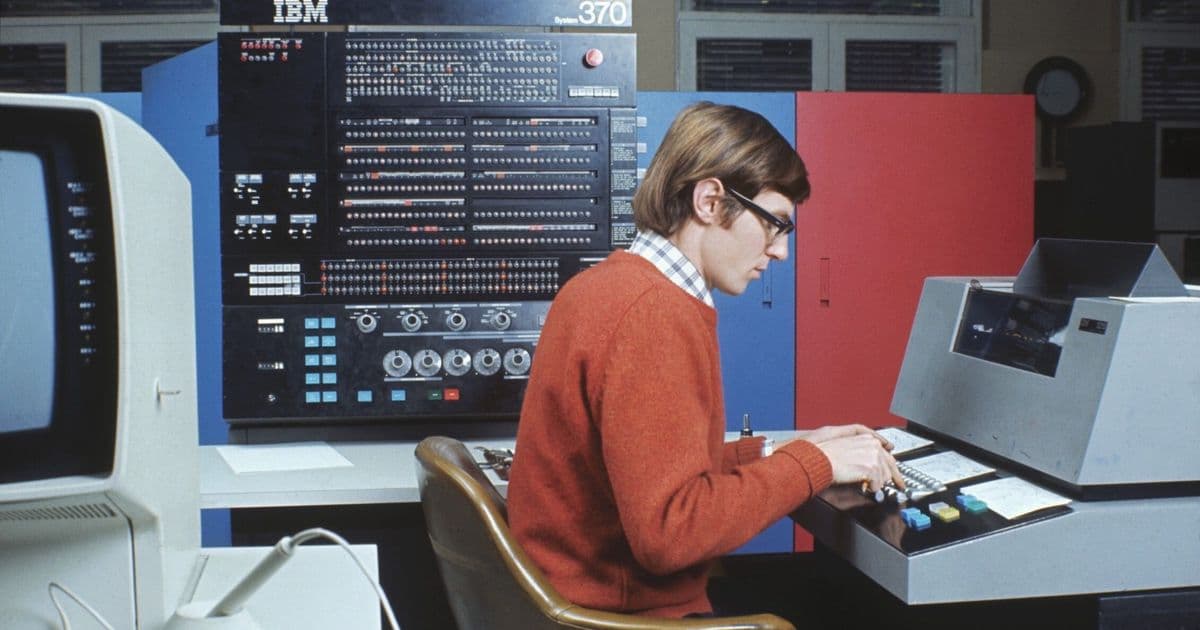
IBM's decades-long monopoly over COBOL programming and mainframe computing faces its most serious challenge yet as Anthropic announces AI-powered COBOL code generation capabilities. The announcement sent IBM's stock tumbling 13% in a single day, marking the company's worst performance in 26 years and extending a 25% monthly decline that has investors increasingly nervous about the future of Big Blue's core business.
The COBOL Crisis: A Perfect Storm for IBM
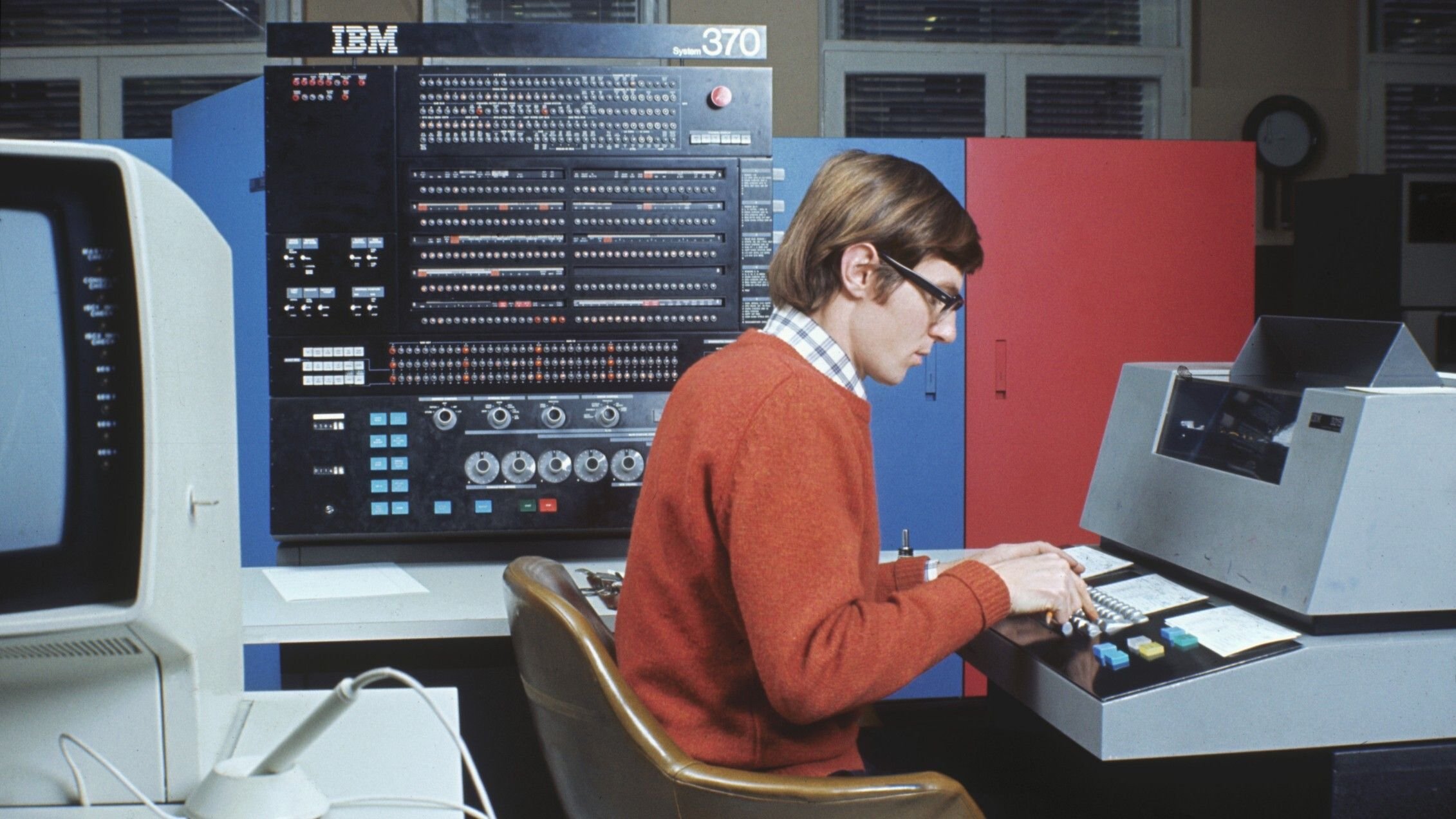
The computing giant's stranglehold over critical infrastructure markets may finally begin to crack. COBOL, the Common Business-Oriented Language developed in 1959, powers everything from airline reservation systems to bank transactions and government databases. The language's persistence stems from a perfect storm of technical debt, institutional inertia, and IBM's strategic positioning.
For practical purposes, COBOL only runs on one type of system, supported by one set of people: IBM's mainframes and its engineers. That means the company has enjoyed multiple decades of telling clients how many zeros the gigantic bills will have tacked on for the next period. The unforgiving nature of that stranglehold means that any attempt at breaking it is most welcome by its existing customers, and a serious threat to IBM as a business.
Anthropic's Strategic Play
Anthropic published its ideas in a blog post, and the company seems to know its target market quite well. There's a Code Modernization Playbook available for download, and existing YouTube videos letting Claude Code loose on a COBOL illustrate the concept. Mixing "COBOL," "AI bot," and "YouTube" in the same sentence is utterly anathema to common logic... and yet here we are.
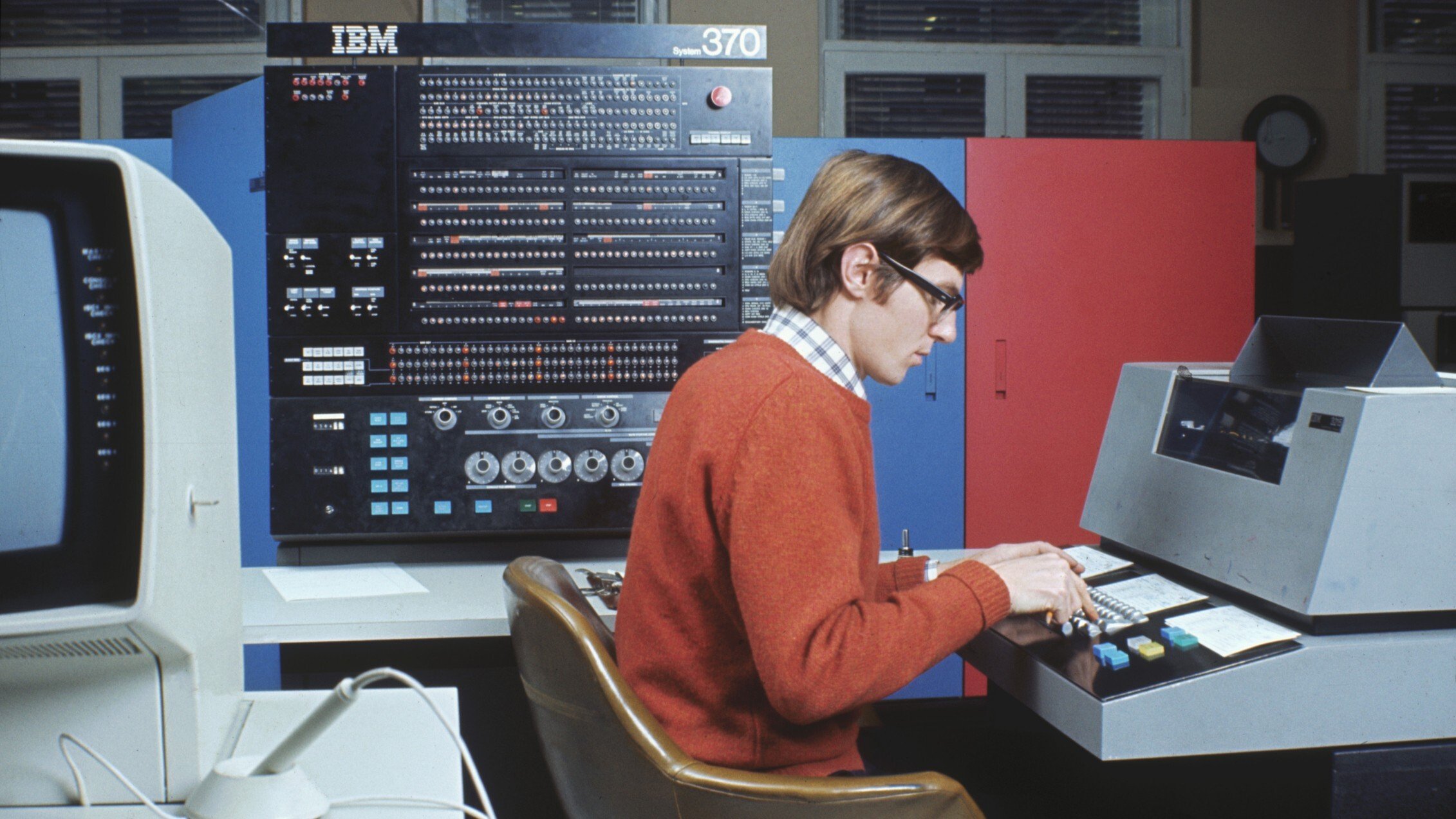
The timing couldn't be better for Anthropic. Most well-versed COBOL programmers are retiring and dying, making their skills rarer and more expensive. The COBOL systems invariably run business-critical operations that cannot afford any downtime whatsoever, and are chock-full of proprietary data formats and business logic that is not documented, and understood only by a few greybeards — if at all.
Why COBOL Refactoring Has Been Impossible
If you're wondering why COBOL just wasn't up and replaced with something else, know that any rewrite attempt must (a) reverse-engineer miles-long business logic; (b) reverse-engineer the underlying data structures; (c) reimplement said logic and structures while being careful to always use fixed-point decimal math; and (d) execute a perfect transition with minimal to zero downtime.
Even when all those conditions can be true, COBOL systems are often so interconnected that it's unfeasible to replace just the one, as is the case with airlines. And heaven help you if you're in the financial sector, as you'll have to undergo extremely long-winded tests and audits, adding months to any deployment.
The Technical Challenge
The language harkens back to the 1960s, proposing itself as a human-readable language targeted at business transactions, using full decimal-point math as default, in contrast to the default floating-point math in other languages. True to its proposal, it revolutionized business computing, becoming entrenched across almost every sector of note, and was never truly replaced.
A cynical view of the situation would say that the systems running COBOL are meant to be 100% accurate 100% of the time, a notion that doesn't lend itself very well to the "probabilistically correct" that LLMs can offer. Even still, as I've attested myself, a good bot is a power multiplier in the hands of a competent developer, and can also lower the barrier of entry for young folks trying their hand at wrangling old systems.
Market Implications
The market reaction speaks volumes about investor sentiment. IBM's 13% single-day drop represents the worst performance since 1998, when the company was still recovering from the near-death experience of the early 1990s. The 25% monthly decline suggests a broader loss of confidence in IBM's ability to maintain its mainframe monopoly in the face of AI-driven disruption.
There's a well-known joke among programmers that almost certainly originated from COBOL: "When I wrote this code, only God and I understood what it does. Now... only God knows." That joke may soon have a new punchline: "Now Claude knows too."

The Broader Context
For practical purposes, COBOL only runs on one type of system, supported by one set of people: IBM's mainframes and its engineers. That means the company has enjoyed multiple decades of telling clients how many zeros the gigantic bills will have tacked on for the next period. The unforgiving nature of that stranglehold means that any attempt at breaking it is most welcome by its existing customers, and a serious threat to IBM as a business.
If you've ever interacted with social security, public administration, healthcare, government, finance, insurance, automotive, retail, or airlines, you've touched a COBOL system at some point in your transaction, even if it was 30 layers deep. Similar to gravity, the language is invisible and yet affects every part of the modern world.
What's Next
The introduction of AI-powered COBOL development tools represents more than just a technological shift—it's a fundamental challenge to IBM's business model. The company has built its mainframe business on the premise that COBOL expertise is rare, expensive, and must be obtained through IBM's ecosystem.
Anthropic's move suggests that premise may no longer hold true. If AI can effectively generate and maintain COBOL code, the barriers to entry that have protected IBM's mainframe business for decades begin to crumble. The market's reaction suggests investors are taking this threat seriously.

IBM now faces a critical decision: adapt its business model to accommodate AI-driven development tools, or double down on its traditional approach and risk being left behind as customers seek alternatives. The next few quarters will be crucial in determining whether this represents a temporary market correction or the beginning of a fundamental shift in enterprise computing.
One thing is certain: the COBOL monopoly that has sustained IBM for decades is facing its most serious challenge yet, and the market is betting that Anthropic's AI tools will be the catalyst for change.
Comments
Please log in or register to join the discussion